Students build list, Vucic campaigns, opposition split
With elections looming, all three sides are in play: blockading students have launched the Student Calls drive and are drafting a list, Vucic tours Serbia, and the pro-European opposition still has no joint ticket.

- The Student Calls team began operating late on July 20 and is phoning citizens across Serbia.
- Blockading students are drafting their own electoral list, with roughly 250 names floated earlier and a rector named as a possible frontrunner.
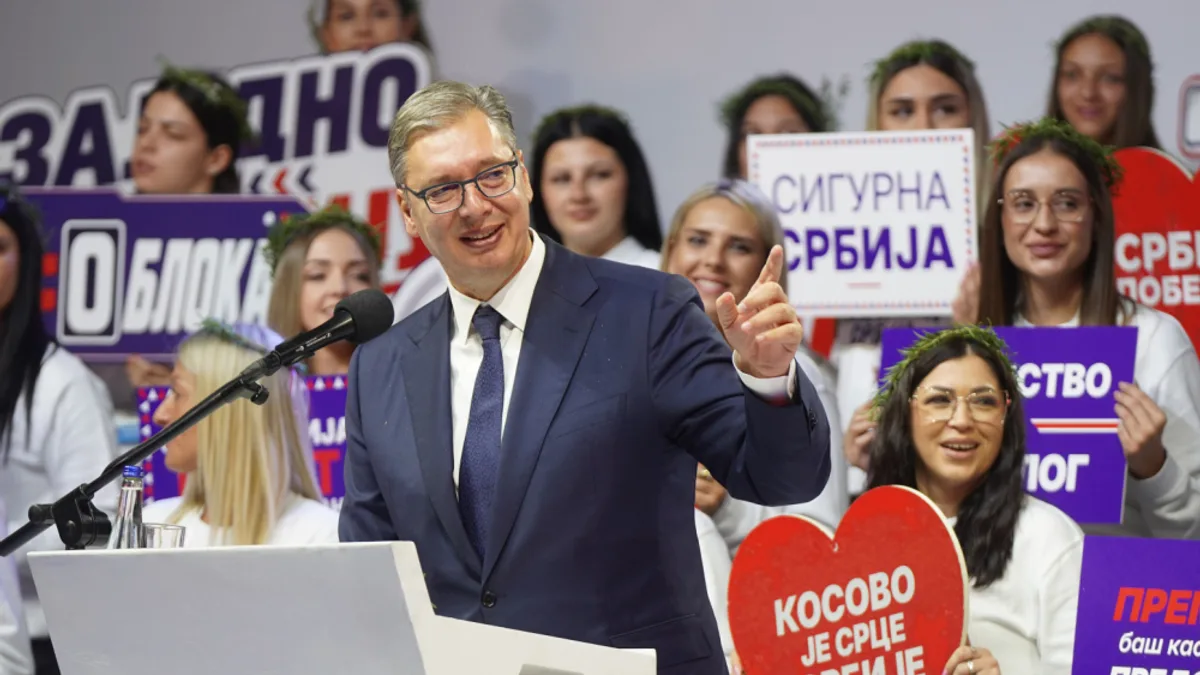
- Aleksandar Vucic campaigns nonstop, touring towns and backing the United Serbia list.
- The pro-European opposition still has no deal on a joint run, with some insisting on ODIHR conditions before any vote.
With elections on the horizon, three political actors have ended up in the same frame, each moving at a different pace and with a different calculation. Late on July 20, a team called Student Calls began operating, and its volunteers are phoning citizens across Serbia. The pitch is simple, one conversation at a time, and the aim is to carry the protest movement from the streets into the homes of people who never joined a rally.
At the same time, the blockading students are preparing their own electoral list. Earlier stages saw roughly 250 names on a broader roster, with University of Belgrade rector Vladan Djokic mentioned as a possible frontrunner. The final lineup has not been published, but the move signals that the student movement no longer relies on the street alone and now treats the ballot box as a tool of pressure.
What is each side actually doing before the vote?
Aleksandar Vucic is campaigning without pause. In recent days he has visited Lapovo, Svilajnac and Velika Plana, and at every stop he backs the United Serbia list meant to rally the governing bloc’s voters. His rhythm is permanent, reaching even smaller towns, a message that ground mobilization has begun before a voting date is formally confirmed.
The pro-European opposition is, for now, the slowest corner of the triangle. Dragan Djilas, Zdravko Ponos and Marinika Tepic have still not agreed on a joint run. One camp insists that the conditions previously recommended by the ODIHR mission be met before any election, while another argues that delay would mean surrendering the field. Ponos earlier called Vucic’s threat of elections an empty gun, which further complicates any deal on shared tactics.
Who holds the initiative, and who reacts
What makes this phase unusual is the distribution of roles. The government operates from a position of institutional advantage and continuous campaigning. The students, who are not formally a party, are building parallel infrastructure for the first time, phone banks and a list, taking over ground that traditionally belongs to the opposition. The established opposition parties, meanwhile, remain stuck negotiating the format, and every day without a decision is one less day for an organized campaign.
For voters, this means the offer is still taking shape. The student movement brings a new face and a different vocabulary, the government offers recognition and machinery, and the pro-European opposition is still searching for a common denominator. The outcome will hinge on whether these three currents merge, collide or run in parallel until voting day.
If elections are called on the announced timeline, which of the three sides will manage to turn today’s energy into an organized network on the ground?