Serbia and US Open Strategic Dialogue on Energy and 5G
Belgrade and Washington have opened a framework covering energy, education and technology. Behind the agenda, commentators see transactional logic and a link to lifting sanctions on Milorad Dodik.

- Serbia and the United States launched a strategic dialogue in mid-July 2026, covering energy, education and technology.
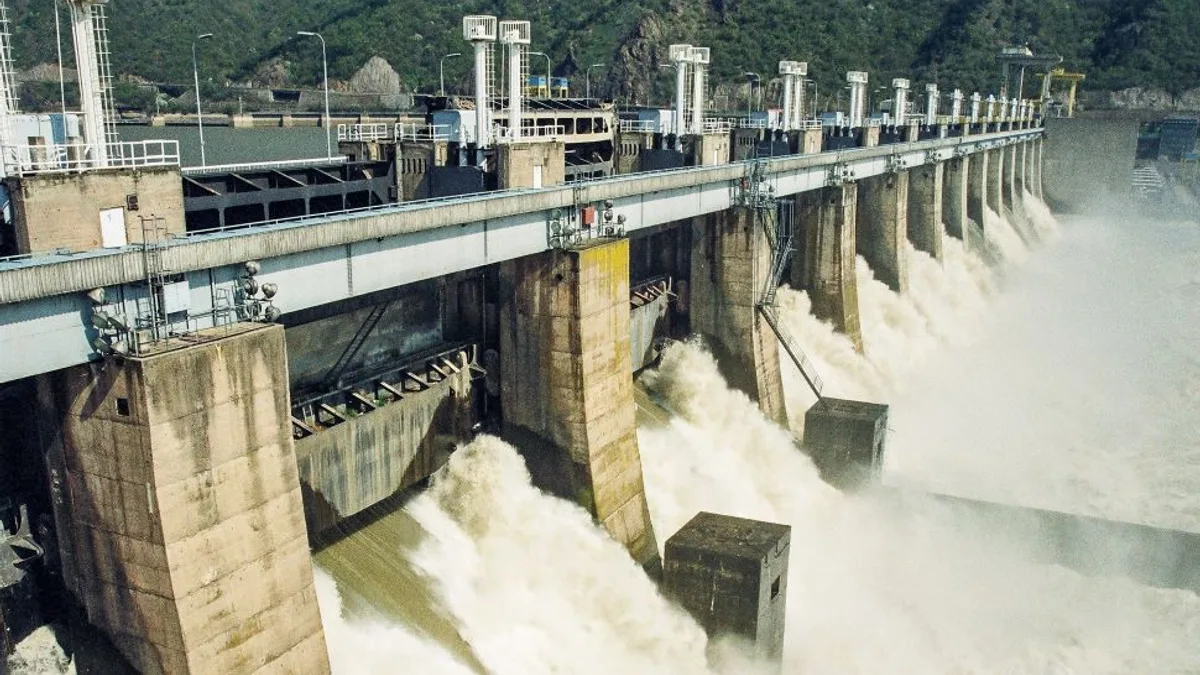
- The energy pillar centres on building the Djerdap 3 plant and a gas link with Greece to cut dependence on Russian gas.
- The technology track plans to develop a 5G network with Telekom and replace Chinese Huawei equipment with American gear.
- Commentators tie the dialogue to the lifting of US sanctions on Milorad Dodik, with energy as the common thread.
Serbia and the United States launched a strategic dialogue in mid-July, a framework built on three pillars: energy, education and technology. Serbia’s side was led by Foreign Minister Marko Djuric, while Washington delivered its message through Secretary of State Marco Rubio. Both sides say the aim is to lift the relationship from occasional visits to systematic, long-term cooperation.
The new format did not appear out of thin air. It rests on the framework of the 2020 Washington Agreement, a document that was more economic than political at the time and that has now been revived after a long pause. What sets it apart from earlier declarations is its concreteness: instead of general talk of friendship, the table holds projects with names, deadlines and estimated values.
What the three pillars actually contain
The energy pillar is the most ambitious. It involves building the Djerdap 3 hydropower plant and a gas connector with Greece that would give Serbia access to liquefied natural gas from a southern route. The message is clear: Belgrade is seeking an alternative to Russian gas, and Washington is offering the infrastructure and capital to build it. For a country that has spent years balancing between East and West, this is a shift measured in decades, not months.
The technology track concerns building a fifth-generation mobile network. Under the plan, Telekom would develop the 5G network with American equipment, gradually phasing Chinese Huawei gear out of the system. This is not merely a commercial matter. Replacing a supplier in critical infrastructure is a geopolitical move, and Washington reads it that way. The third pillar, education, looks the softest but is not harmless: an expansion of Fulbright grants was announced, a programme that for generations has built a network of people trained by and tied to American institutions.
Is this cooperation or a trade in favours?
Here begins the part that official statements do not show. From what we understand, in the corridors the dialogue is read through one link that neither government mentions publicly: the lifting of US sanctions on Milorad Dodik. The president of Republika Srpska was long on the American list, and energy is precisely the thread that connects his interest, Belgrade’s interest and Washington’s interest.
The logic described by sources close to the talks is transactional. Serbia gains infrastructure, capital and symbolic confirmation that it is a desired partner for Washington. Washington gains the withdrawal of Chinese and Russian technology from the region. Dodik gains room to return to legitimate channels. Each side gains something, and the price is paid in concessions that are not published.
Serbia’s opposition is already warning that such deals are struck without public debate and without any insight into what Belgrade promised in return. The government, for its part, presents the dialogue as proof that Serbia is not isolated and that it pursues an independent policy. Both readings can be true at once, because a transaction by definition means everyone pays part of the bill.
One question remains that no statement answers: once Djerdap 3 and the 5G network are built, who will really hold the lever, Belgrade or the party that supplied the capital and the equipment?