Vucic: autumn elections, parliament first, president later
The president sets out the electoral calendar. A call in September or early October, voting in October or November, with the parliamentary and presidential races held separately.

- President Aleksandar Vucic said elections will be called in September or early October and held in October or November.
- The presidential and parliamentary votes will be separated, with parliament first before the year ends and the presidential race somewhat later.
- Vucic repeated that voting will take place by the end of 2026 and said he keeps his word.
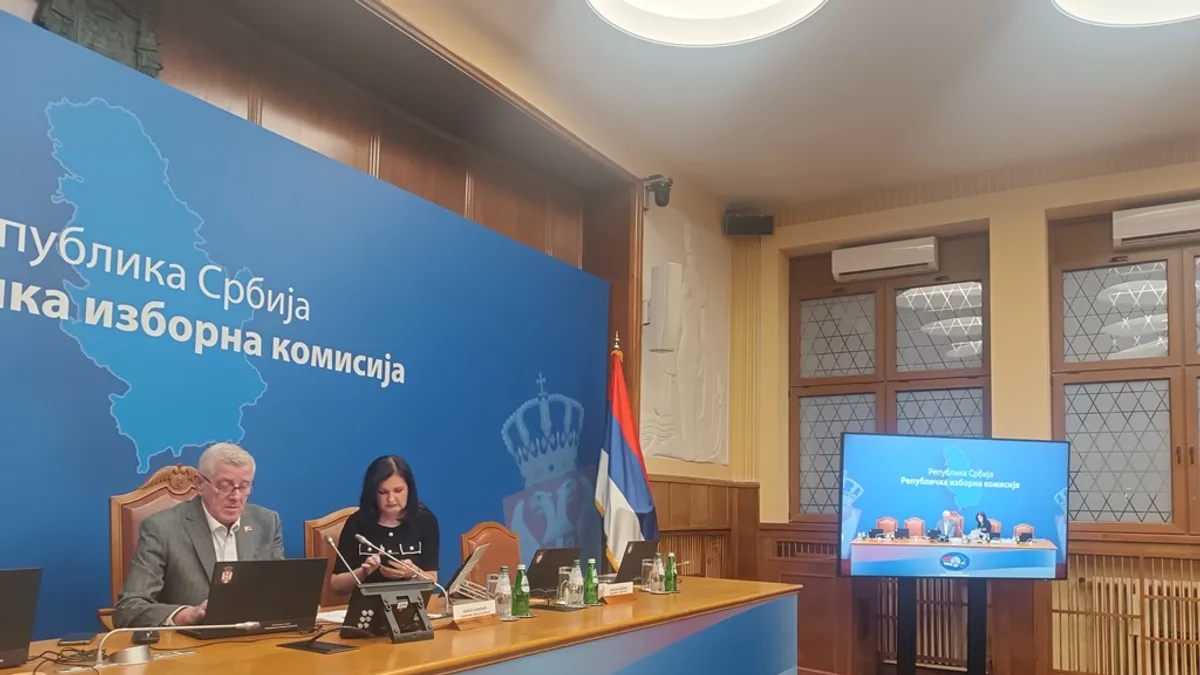
- The statement comes ahead of a no-confidence session on the government set for July 27.
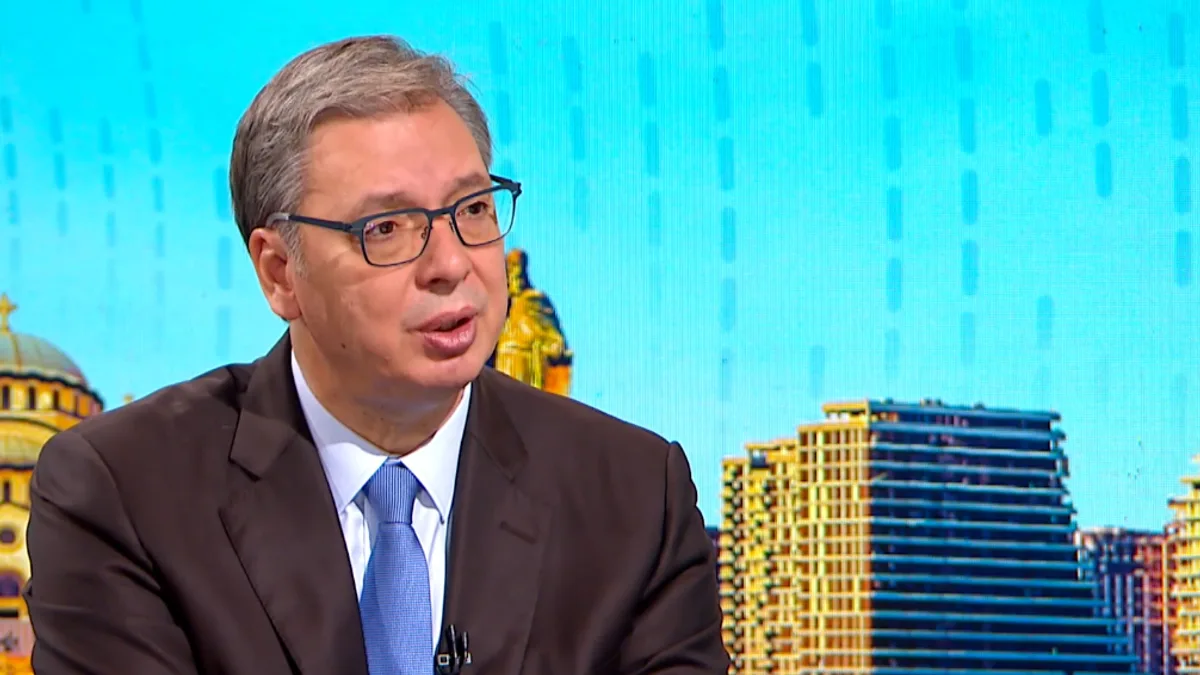
President Aleksandar Vucic laid out his most precise electoral calendar to date, saying elections will be called in September or early October and held in October or November. After months of vague formulations, he attached concrete months to his promise that voters will return to the polls before the end of the year.
Vucic also cleared up what had until now been the subject of speculation in political circles, confirming that the presidential and parliamentary elections will be held separately. In his words, the parliamentary vote comes first, before the year ends, with the presidential race following somewhat later. The president repeated that he keeps his word, recalling his earlier pledge that elections would be held by the end of 2026.
Separating the two contests is no technical detail. It is a decision that shapes the whole cycle, since combined elections tend to favor the party controlling the executive, while separate rounds prolong the campaign and change the arithmetic for both the government and the opposition. Vucic did not specify the exact gap between the two votes, leaving open whether the presidential election will fall at the very end of 2026 or slip into the following year.
What does separating the votes mean for the opposition?
For the opposition, which has spent months demanding early parliamentary elections as a way out of the political crisis, the announcement carries a double message. On one hand, it finally names the date it long sought. On the other, splitting the cycle means the parties will measure their strength in two separate rounds, which complicates a unified front and any deal on joint lists. Some opposition figures have already warned that without changes to electoral conditions, any date remains contested, regardless of exactly when it falls.
The government, for its part, presents the announcement as a promise kept and proof that institutions are working to plan. Formally, the president calls the elections, but the government must first notify parliament, so the real trigger for the entire process is tied to the coming weeks in the assembly.
A no-confidence session as the prelude
The timeframe the president outlined coincides with rising tension in the National Assembly. His statement comes ahead of a no-confidence session on the government, set for July 27, which will be the first formal test of the balance of power before the electoral cycle. Whatever the outcome of that session, and the math favors the ruling majority, it will set the tone for a campaign that, judging by the months announced, opens as early as autumn.
What was until yesterday a question of whether there would be elections at all has now turned into a question of when exactly and under what terms. The precise date of the call still depends on moves by the government and parliament, and the gap between the parliamentary and presidential votes remains the key unknown that will define the year ahead.
Will separating the parliamentary and presidential elections calm the political scene before autumn, or sharpen it further?