Dacic: SPS ready for parliamentary and presidential votes
The Socialist Party leader has given his party's local boards one month to submit candidates for parliament and for president, adding that the coalition with SNS continues only if voters back it.

- Dacic gave party boards one month to propose candidates.
- Preparations cover two cycles at once, parliamentary and presidential.
- Message to the partner: the SNS coalition continues only with voters' backing.
- The same day, he dismissed the no-confidence debate as an opposition performance.
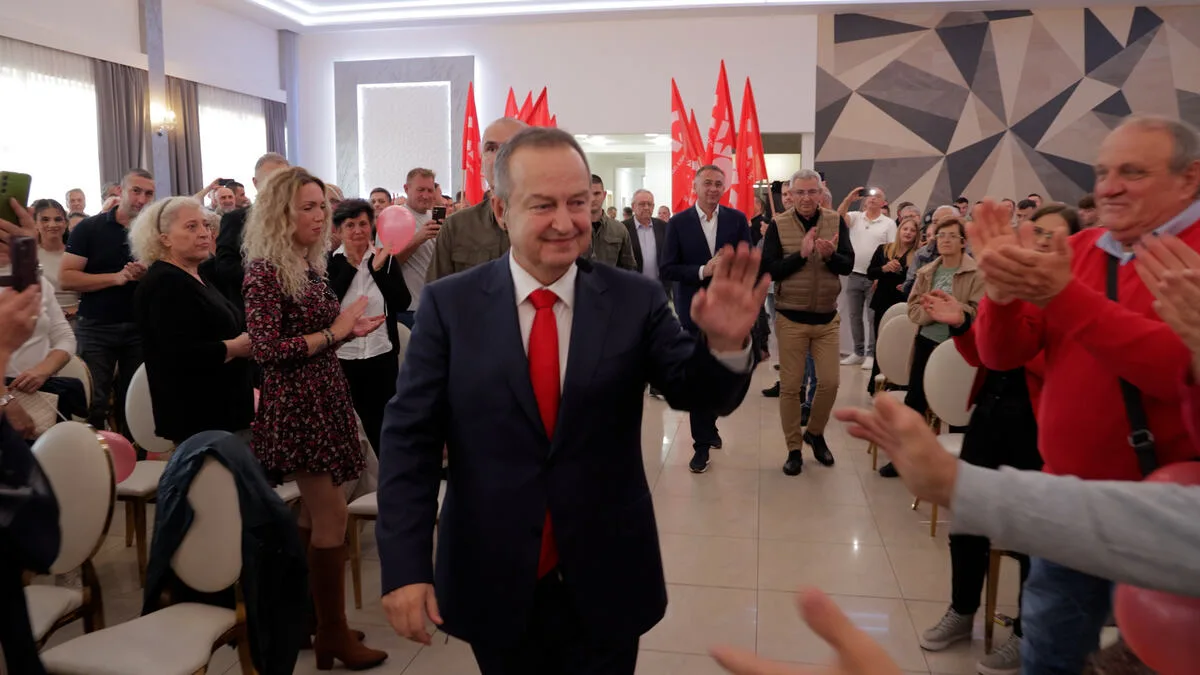
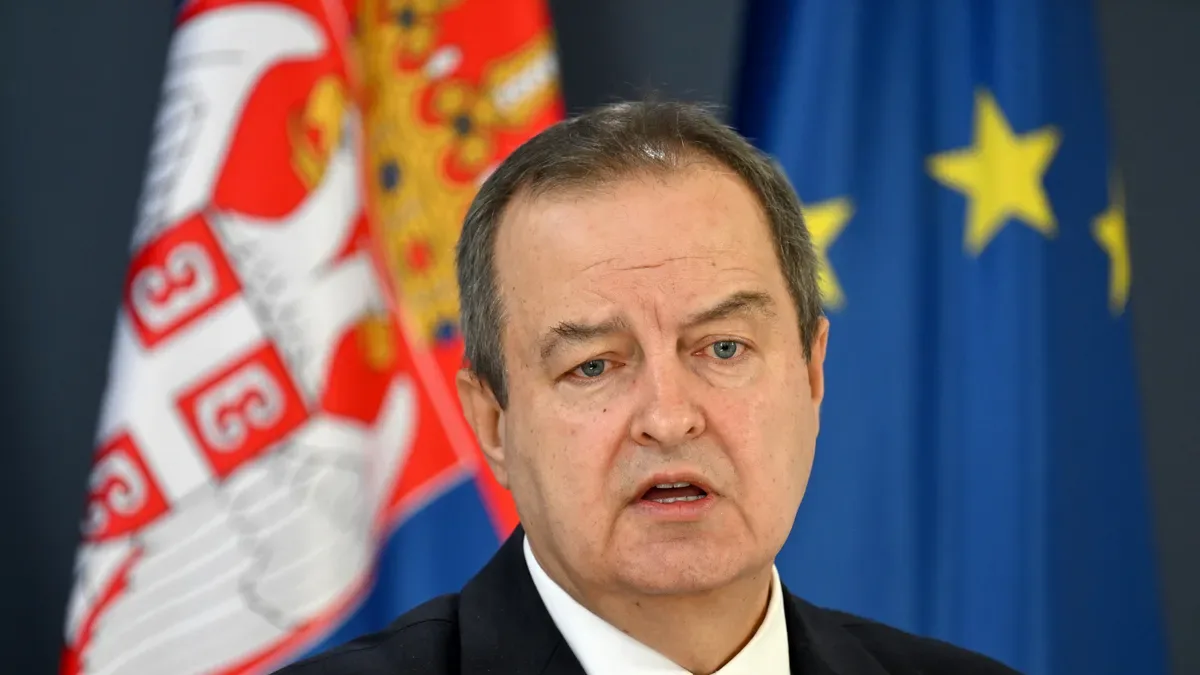
Ivica Dacic, leader of the Socialist Party of Serbia and interior minister, said on July 28 that his party is ready for both parliamentary and presidential elections. The statement came with a concrete organisational decision: party boards have one month to submit proposed candidates for parliament and for president of Serbia.
Dacic added that he still believes all elections should be held on their regular schedule. Those two positions, readiness for a snap scenario and support for the regular calendar, are not contradictory in Serbian politics. A party that insists elections should be regular can simultaneously build a candidate list that can be activated within weeks, should the leadership’s assessment change.
A one-month deadline says more than a statement
What separates this from routine pre-election rhetoric is the internal deadline. The boards were not invited to a discussion, they were given a task with a date attached. Proposals for the parliamentary list and for the presidential candidacy are two separate procedures running in parallel inside SPS, and together they amount to the first concrete electoral timetable published by a governing party in this cycle.
The presidential candidacy carries particular weight. In recent years SPS has backed a joint candidate within its coalition with the Serbian Progressive Party, so opening its own selection procedure signals that the party is at least keeping open a scenario in which the Socialists have their own name on the ballot. Whether that happens depends on coalition talks, but the move itself puts the boards into working mode.
Dacic described his party’s politics as patriotic and socialist, a formulation SPS has used for decades to distinguish its electorate from that of the Progressives. The message is aimed at its own membership as much as at voters: the party enters the campaign with its own identity, not as an appendage to a larger partner.
Is this election preparation or a message to the coalition partner?
The most telling part of the statement is not the timetable but the conditional clause attached to it. The SPS leader said his party is satisfied with what it has achieved alongside SNS and that continuing the coalition is in Serbia’s interest, but he added that continued cooperation depends on the support of citizens.
That sentence is carefully placed. It announces no rupture, yet it promises no automatic renewal either. Citizens’ support is measurable only at the ballot box, so the condition is effectively an invitation to test the balance of power inside the coalition by counting votes. In coalitions where one partner holds a commanding majority, the junior partner gains the most leverage precisely in the run-up to an election, while the list and the number of seats are still being negotiated.
The context includes the parliamentary session on a no-confidence motion against the government, which Dacic characterised the same day as an ordinary political performance by the opposition, saying the debate offered no concrete data. The governing side thus sent two messages in a single day: one to the opposition, that it sees no serious case against the government, and one to voters, that the electoral machinery is being switched on.
The opposition has spent months demanding early parliamentary elections and will read this move as confirmation that the governing camp is counting on an early vote. SPS will respond that this is standard party preparation. In practice both readings remain available until a date is announced, and the date is the one piece of information still missing.
The next step is measurable. In a month the boards are due to deliver names, and only then will it be clear whether the list is being built for the regular cycle or for something sooner. Until then one question stays open for every voter: does an announcement like this read to you as routine party procedure, or as the first sign that elections are approaching?