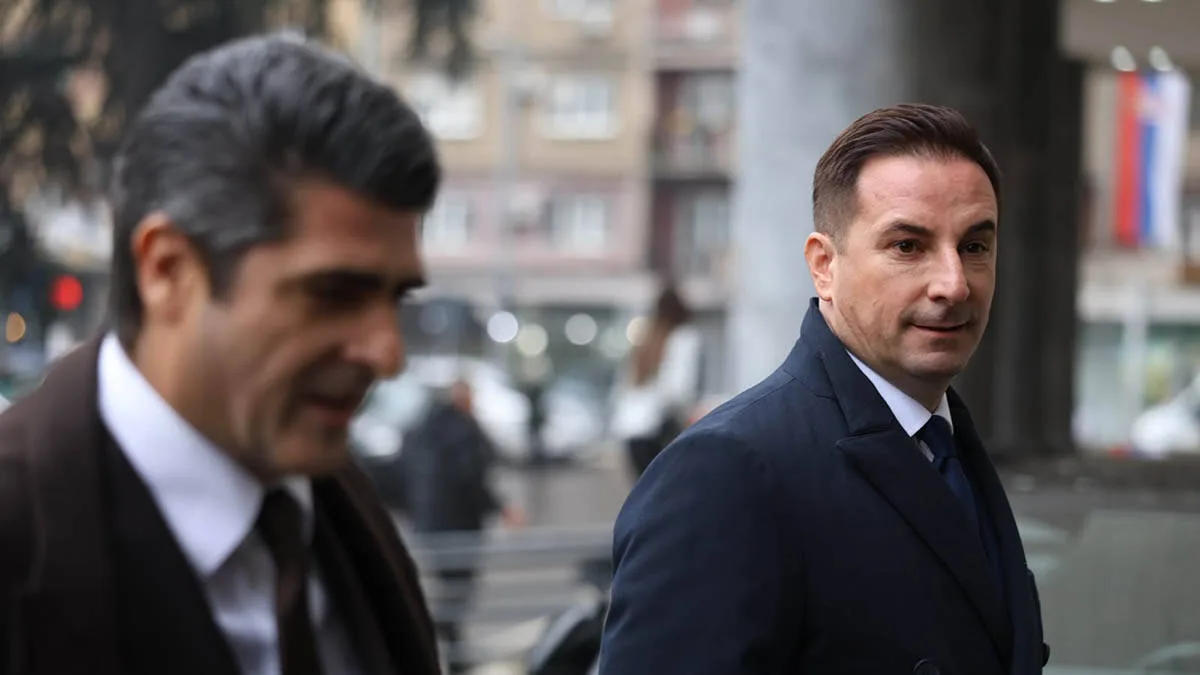
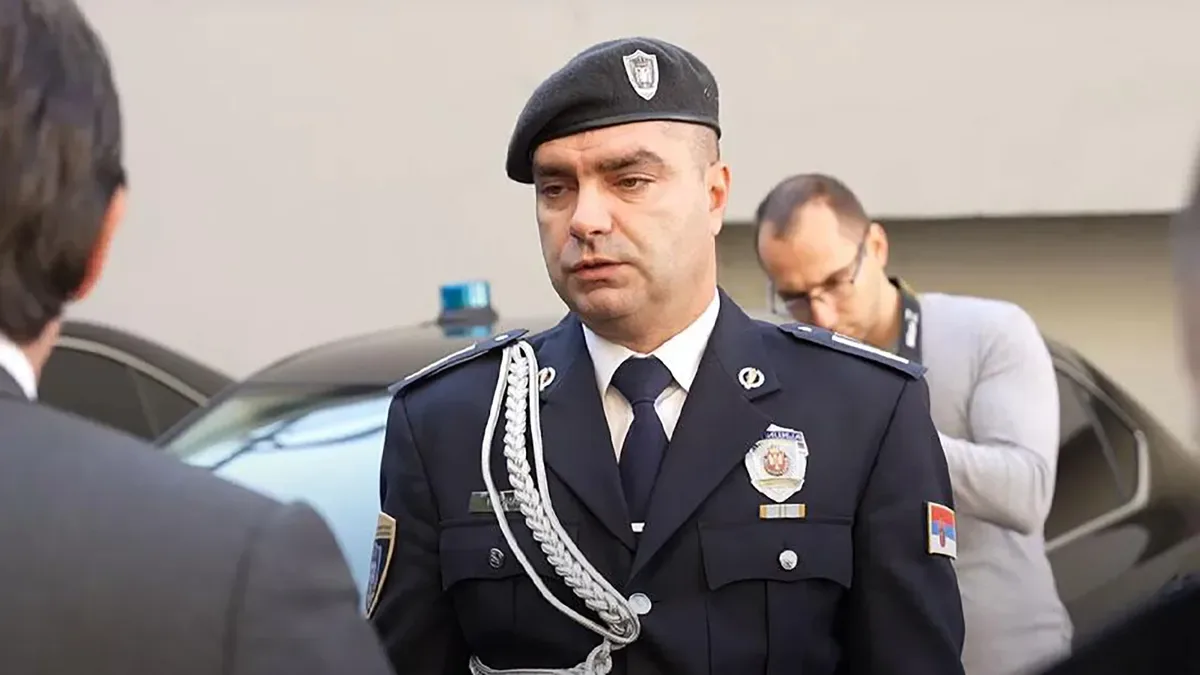
Milic files complaint against two police chiefs
Lawyers for Veselin Milic, the former head of Belgrade police, accuse the country's two senior criminal police commanders of sitting on evidence that pointed away from their client.

Veselin Milic, until recently the head of the Belgrade City Police Department, has struck back for the first time since the case against him opened two and a half months ago. On July 30 his attorneys at the law firm Vasiljevic Legal filed a criminal complaint with the Belgrade Higher Public Prosecutor’s Office, specifically with its Special Department for Combating Corruption.
The complaint names the two men who run Serbia’s central criminal police services: Marko Kricak, head of the Criminal Police Directorate, and Bosko Sekulovic, head of the Service for Combating Crime. Both are accused of abuse of office under Article 359 of the Criminal Code, as co-perpetrators. The core allegation is that they held back material they had in hand, evidence that, according to Milic’s lawyers, showed the claims in the original complaint against him were false.
What the lawyers say
The firm said it went public because it had been asked repeatedly how a case could turn completely around in the space of two months. Its answer is not procedural. It is an accusation aimed at the police.
The “dramatic turnaround” in this case did not happen because Veselin Milic was privileged in any way; on the contrary, he was harmed by unlawful and malicious conduct.
The statement adds that the handling of the case brought unwarranted public condemnation and other serious consequences for Milic. For now that statement is the only public account of the complaint, as the filing itself has not been released.
How the Senjak 27 case narrowed
The file is known publicly by the name of the restaurant, 27, in Belgrade’s Senjak neighbourhood, where Aleksandar Nesovic, known as Baja, 52, was killed on May 12. Milic was arrested three days later, spent more than 50 days in detention, and was suspended from his post as Belgrade police chief while proceedings ran.
What followed shows how much the case shrank:
- May 21: Nesovic’s body was found near Indjija
- June 3: prosecutors dismissed the complaint against three officers assigned to Milic’s security detail
- June 9: they dropped the part of the complaint alleging assistance to an offender after a crime
- July 6: a Higher Court panel in Belgrade ruled that Milic could defend himself from liberty
- July 10: prosecutors filed an indictment proposal against Milic, but only for failure to report a crime and forgery of an official document
A case that began with the suspicion that one of Serbia’s most senior police officials had helped the perpetrator of a killing now rests on two far lighter counts. That gap, between where the investigation started and where the indictment landed, is exactly what Milic’s defence is now using as its argument.
Two tracks running side by side
The complaint against Kricak and Sekulovic puts the Belgrade Higher Public Prosecutor’s Office in an awkward spot. The same office that is prosecuting Milic in court must now decide whether to open a case against the police commanders who worked that file, with the decision resting in its anti-corruption department.
The next move belongs entirely to prosecutors, who can either dismiss the complaint or order evidentiary actions. No short statutory deadline binds them, so weeks may pass before anything is said publicly. Meanwhile the July 10 indictment proposal continues its own path through the Higher Court, and from today the two tracks can no longer be read apart.
Everyone involved, Milic and the two commanders he has reported, is presumed innocent until a final verdict.