Djuric Defends Zelensky Meeting, Ties It to Kosovo
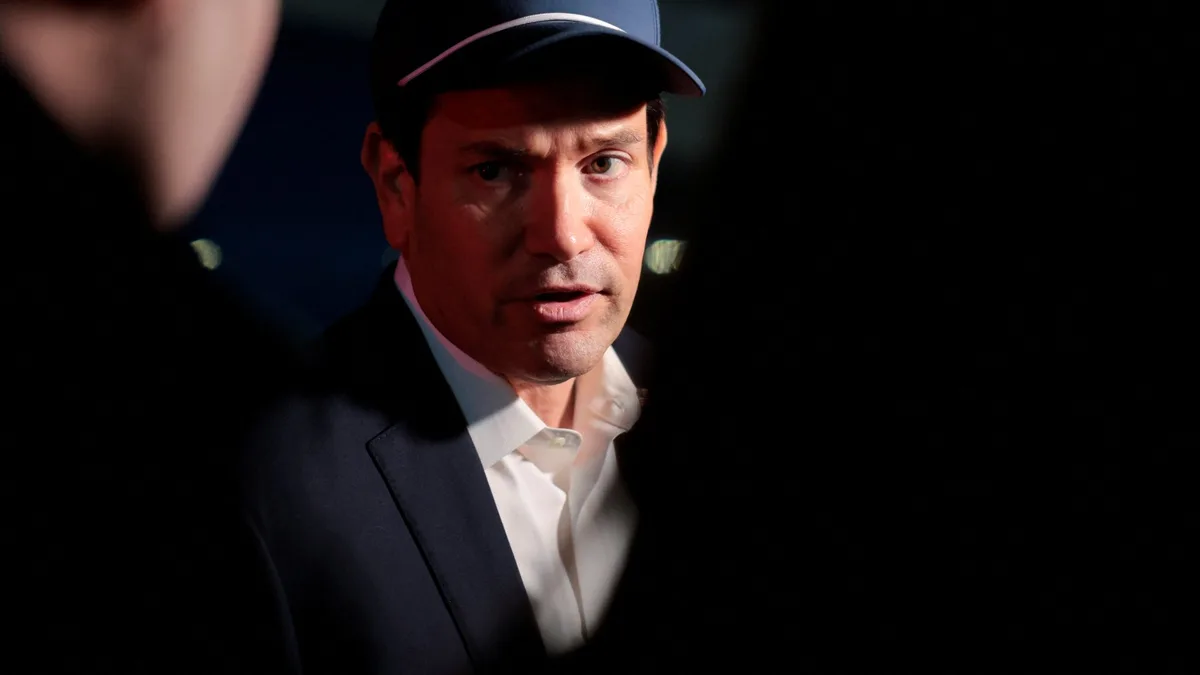
Foreign Minister Marko Djuric called criticism of Volodymyr Zelensky's Belgrade visit hypocrisy, saying support for recognized states' territorial integrity also protects Kosovo and Metohija.

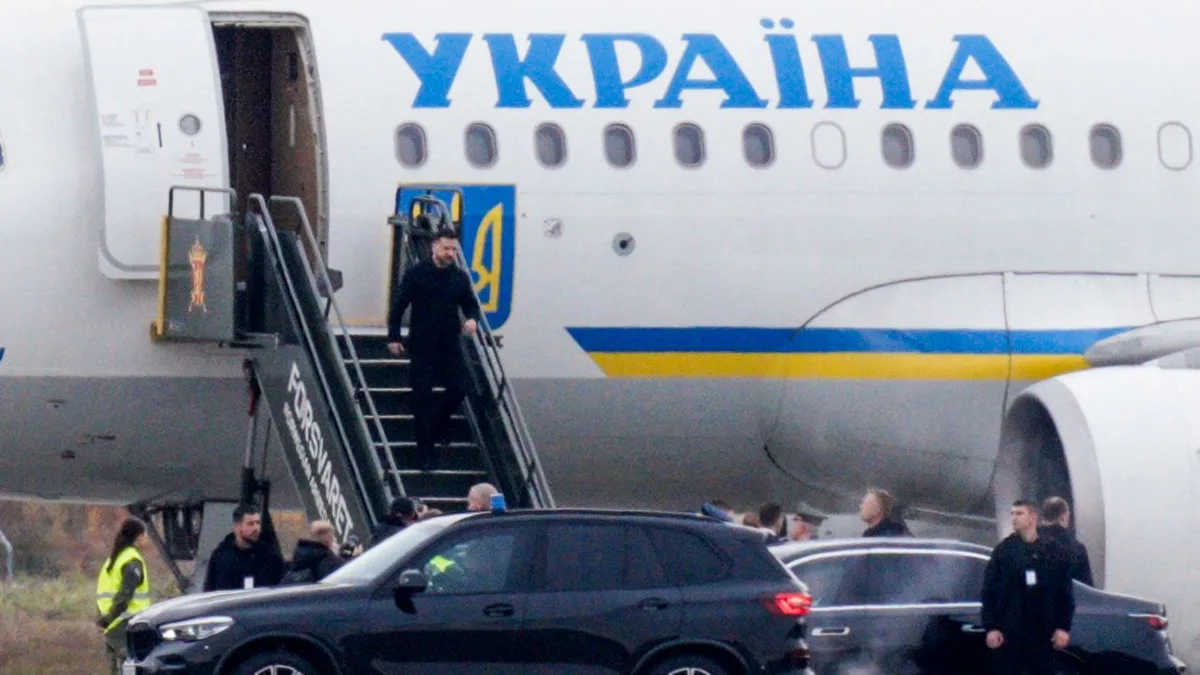
Serbia’s Foreign Minister Marko Djuric responded on August 8 to criticism directed at President Aleksandar Vucic over hosting Ukrainian President Volodymyr Zelensky in Belgrade. He posted the message on his X account the same day the two presidents met, and its focus was not the war in Ukraine but Kosovo and Metohija.
Djuric argued the criticism was not coming from principle. The same people now attacking Vucic over the talks with Zelensky, he said, were until recently claiming that Serbia was isolated, drifting away from Europe and failing to show enough understanding for Ukraine’s side.
“This is not principled politics, but hypocrisy and a need to attack the president no matter what he does, in the futile hope of scoring some political point,” Djuric said.
Hosting a foreign president, the minister added, does not amount to abandoning one’s own positions or fully embracing someone else’s policy. “On the contrary, it shows confidence and the ability to conduct foreign policy independently, responsibly and without being tutored by any center of power,” Djuric said. He split the critics into what he called left wing and right wing cynics who turned on the president out of opportunism.
Why Does the Minister Bring Kosovo Into the Ukraine Debate?
Because it is the same argument, applied to two places. Djuric explicitly tied support for the sovereignty and territorial integrity of internationally recognized states to Serbia’s own interest, not to solidarity with Kyiv.
“Consistent support for the sovereignty and territorial integrity of internationally recognized states is of vital importance for preserving our own territorial integrity and protecting Kosovo and Metohija,” the foreign minister said.
That is the most politically sensitive part of the statement. Serbia defends its position on Kosovo and Metohija in international bodies by invoking the UN Charter, so any departure from that principle in the Ukrainian case weakens its own argument. The cost of consistency, however, cuts both ways: the same standard binds Belgrade even when it is politically inconvenient. How far that argument holds will be measured by how Serbia votes on Ukraine resolutions at the UN, not by the tone of social media posts.
What Was Said After the Delegations Met
After his talks with Zelensky at the Palace of Serbia, Vucic said Serbia would continue to support the UN Charter and the territorial integrity of all member states, including Ukraine.
“We will continue to pursue that kind of principled policy, and on this issue there is no ‘but’ about it,” the Serbian president said at a joint news conference.
According to Vucic, the two presidents discussed:
- advancing bilateral relations in the economy, trade and energy
- the European paths of Serbia and Ukraine
- current regional and global issues
During the meeting, a memorandum of understanding was signed between Serbia’s Ministry of Agriculture, Forestry and Water Management and Ukraine’s State Service on Food Safety and Consumer Protection, covering cooperation on animal health and food safety. The document was signed by Agriculture Minister Dragan Glamocic and Ukraine’s ambassador to Serbia, Oleksandr Lytvynenko.
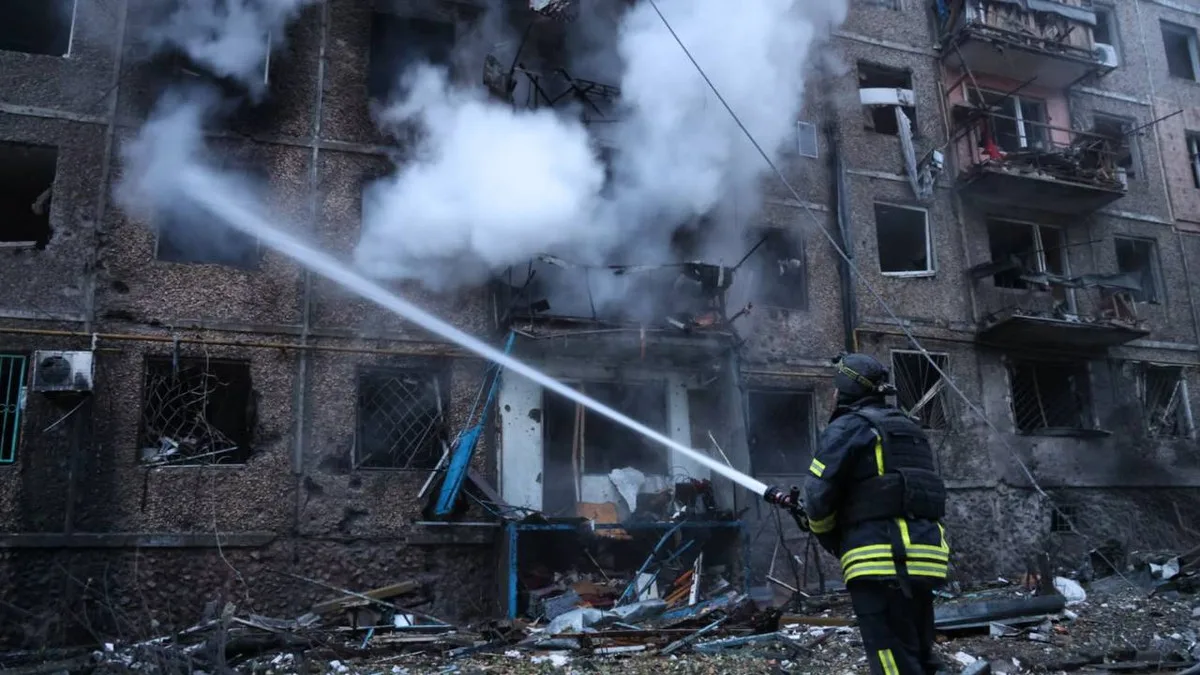
Zelensky was in Belgrade on his first official visit to Serbia since taking office. He thanked his hosts for their hospitality and for supporting Ukraine’s independence and territorial integrity, then spoke about attacks carried out the previous night that hit energy facilities, the rail network and other infrastructure. He said 13 people had been killed and 77 injured in the previous 24 hours, with attacks reported across 12 Ukrainian regions.
What mattered just as much from Belgrade’s perspective came from the Ukrainian side. During the visit, Zelensky confirmed that Ukraine does not recognize Kosovo’s unilaterally declared independence, a point covered separately, which meant Djuric’s argument about reciprocity was not just a Serbian claim this time. Few visitors to Belgrade simultaneously seek support for their own territorial integrity while affirming Serbia’s position on its own.
Djuric closed his message by asserting that the decision on who Serbia talks to remains Belgrade’s own. The president, he said, has no obligation to shape state policy to suit those who would dictate who he may or may not speak with.
“Regardless of the attacks and pressure, we will not carry out anyone else’s policy. We will pursue Serbian policy, responsible, independent and focused solely on preserving state and national interests,” Djuric said.