REM Council Fails Again to Elect a Chairman
After two constitutive sessions, Serbia's REM Council still has no chairman. Milos Garic says influential centers are blocking the vote, with a new session set for late August.

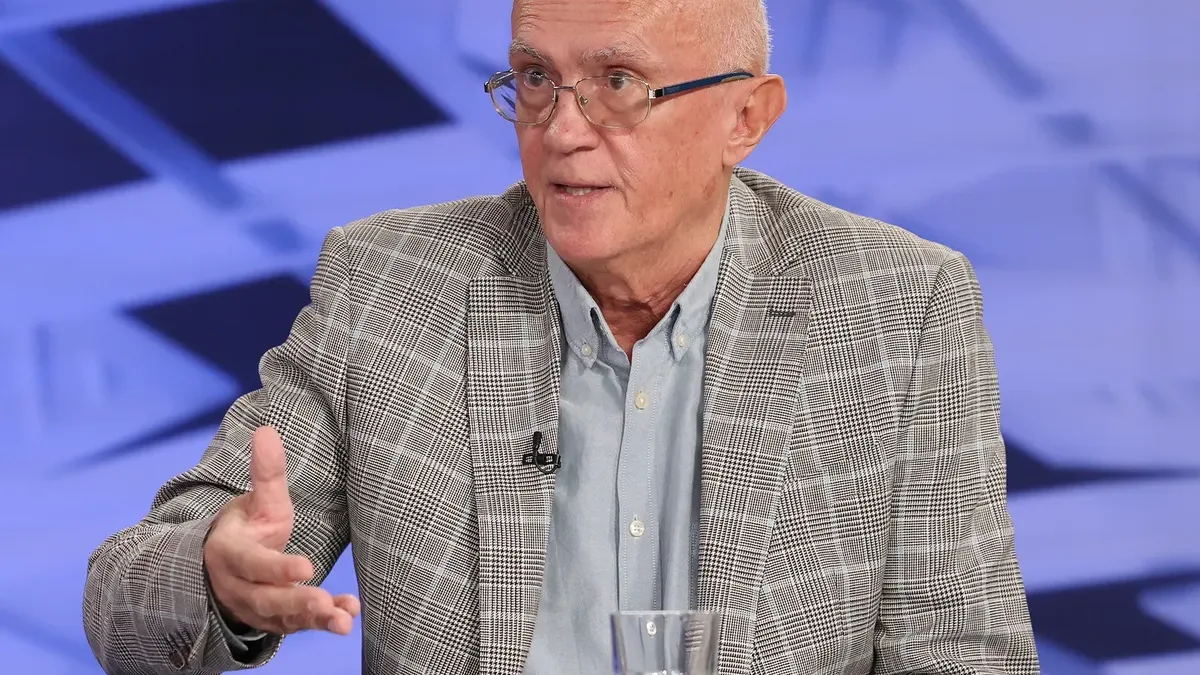
The Council of Serbia’s Regulatory Body for Electronic Media, REM, has failed to elect a chairman after two constitutive sessions, leaving the body that issues broadcasting licenses unable to pass a single formal decision. Council member Milos Garic became the first to publicly name what he believes is behind the deadlock. On August 9 he said certain influential centers want the regulator to become their own.
“There is an agenda from certain influential centers, non-governmental organizations, certain associations, who believe that they should take on the key role in REM, that REM in some way belongs to them, and that in this way they want to achieve some of their own goals, not the goals written into the law,” Garic said.
It is the first claim of this kind since the new Council convened. No one from the Council has named the organizations the accusation refers to.
Two Rounds, Same Result
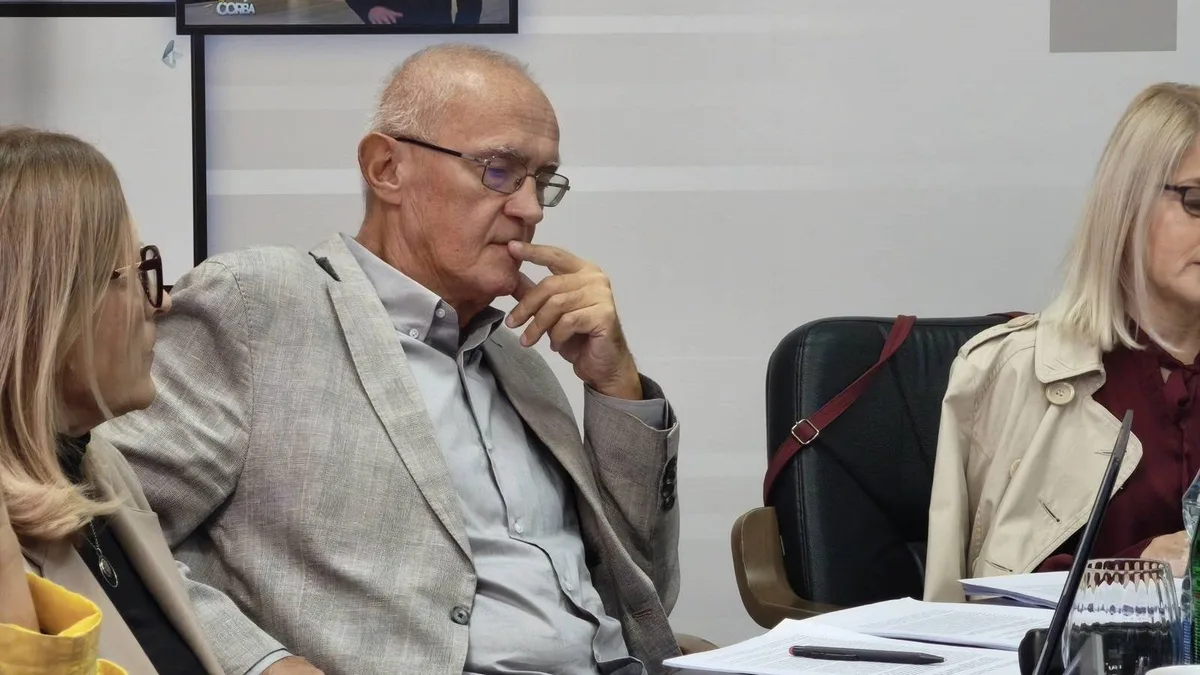
The second constitutive session was held on July 30. The candidates were Garic and Dubravka Valic Nedeljkovic, and in both rounds of the secret ballot Garic received four votes to Valic Nedeljkovic’s three. Seven of the Council’s eight members attended the session, while Ira Prodanov Krajisnik was absent due to illness.
The outcome repeats what happened ten days earlier. At the first constitutive session on July 20, the candidates were Garic and Mileva Malesic, and both received four votes each, which was not enough for either to be elected.
“Without a chairman, the REM Council cannot move forward on anything. We are standing still, and there is a lot of work to do,” Garic said after the session.
Why Does the Vote Keep Stalling at Four?
The Council has eight members. Four are seen in public as independent, four as close to the government, and the ninth member has yet to be elected. As long as that stands, neither side has a spare vote, so every ballot breaks along the same arithmetic. That is also why talk of a compromise candidate never concludes, but simply carries over to the next session.
Valic Nedeljkovic, who chaired the second session, declined to describe the deadlock as a failure.
“I think any pressure or expectation that a situation which has already lasted for years could be resolved in two Council sessions is unrealistic. We are all acting in good faith to find a shared consensus on who will chair the sessions and who will serve as deputy chair,” she said.
What’s on Hold Without a Chairman
Garic explained that the chairman signs every decision on the Council’s behalf, and that neither the law nor the statute allows the body to make decisions without one. Several concrete matters are stuck as a result:
- election of the governing boards of public media services, whose deadline expired last December
- the status of local and regional broadcasters whose licenses have already expired
- a decision on the fifth national frequency
- complaints from citizens and organizations that the Council has not yet reviewed
That last list also includes a topic this outlet has already covered: Rodoljub Sabic asked the regulator to first resolve the issue of local television stations broadcasting without a valid license, before taking on bigger decisions.
What the Council Did Agree On
Even without leadership, the Council has agreed on a few things it can handle in the meantime. Session minutes will now be far more detailed.
“We agreed that the minutes will be much more detailed, practically transcripts. That means the public will finally be able to see who said what at a session, what they advocated for and how they voted, except when the vote is secret,” Valic Nedeljkovic said.
Council members also agreed to visit media outlets applying for new or renewed licenses, local broadcasters in particular, and to prepare the paperwork for electing the governing boards of public services.
A new session has been announced for the second half of August. The statute does not limit how many times a chairman election can be attempted, so the voting can repeat until members reach an agreement, and every new round without a result extends a deadlock that has now lasted nearly two years.