Mladic Commemoration: Nestorovic Slams State's No-Show
The Mi Snaga Naroda parliamentary group says Serbia's leadership failed to show Ratko Mladic the respect it gave Miki Rakic, and will skip Monday's funeral as well.

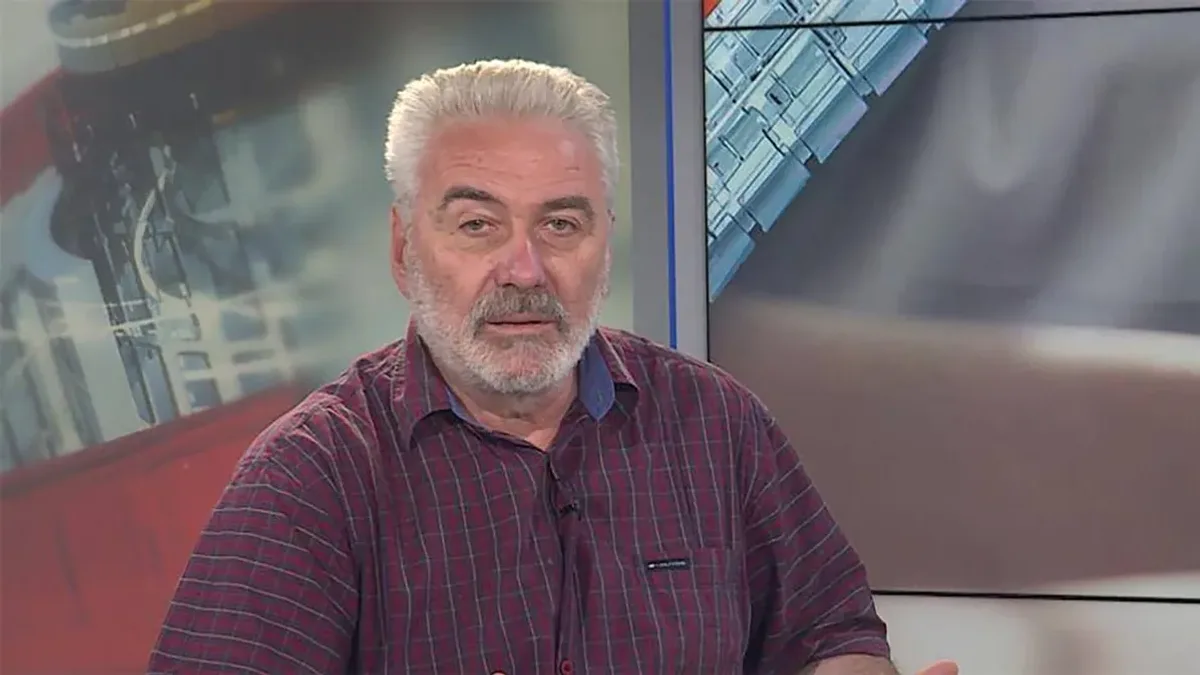
The Mi Snaga Naroda parliamentary group of professor Dr. Branimir Nestorovic sent the newsroom a statement on Sunday, September 6, at 11:23 am, from the parliamentary group’s address in the National Assembly. In it, the group faults Serbia’s leadership for staying away from Ratko Mladic’s commemoration and for its announced absence from the funeral as well. The movement compares this with the state honors it says were given to Miki Rakic. The statement arrived with a request that the text be published in full.
The commemoration was held a day earlier, on Saturday, September 5, at the Serbian Army Hall in Belgrade. The only member of Serbia’s leadership to attend was Justice Minister Nenad Vujic. He was joined by Republika Srpska President Sinisa Karan, Republika Srpska Interior Minister Zeljko Budimir, Minister of Labor and Veteran and Disability Protection Radan Ostojic, Republika Srpska senator Jelena Guskova, head of the Republika Srpska Representative Office in Serbia Mladjen Cicovic, Bosnia and Herzegovina’s ambassador to Serbia Aleksandar Vranjes, lawyers Goran Petronijevic and Dragan Ivetic, and former Serbian prime minister Nikola Sainovic.
In front of the Serbian Army Hall, before the commemoration began, about 150 people waited in two lines, with roughly 200 more gathered in the park across the street, some of them in military uniforms.
Ratko Mladic died on August 27 at age 84, at the United Nations detention unit in The Hague, while serving a life sentence. He was convicted in a final verdict in 2021 of genocide in Srebrenica, crimes against humanity, and violations of the laws and customs of war. His funeral is scheduled for Monday, September 7, at Topcider Cemetery. We wrote earlier about whether the justice minister can strip Mladic of his rank under Article 185 of the Law on the Army, and this statement does not settle that legal dispute.
Mi Snaga Naroda’s statement opens with a comparison to Miki Rakic’s funeral. Rakic, the movement says, was buried in the Alley of the Meritorious Citizens, attended by the state leadership of the time, including Aleksandar Vucic. The movement claims, and this is the movement’s claim rather than an established fact, that Rakic was one of the key figures behind the state’s policy of arresting Ratko Mladic.
“We are not asking why the state saw off Miki Rakic. We are asking why, for Ratko Mladic, a general of the Army of Republika Srpska and a man whose place in Serbian history remains deeply divisive, the institutions of his own country showed nothing close to the same respect today,” the statement reads.
The movement goes on to argue that the state’s treatment of historical figures should not depend on the political moment.
“Mi Snaga Naroda believes the state must not change its attitude toward historical figures depending on political circumstances, outside pressure or the current interests of those in power,” the parliamentary group says, adding that “Serbia must not be ashamed of its own people just because someone outside Serbia dislikes their names.”
A particular point in the statement is the announcement that Serbian President Aleksandar Vucic will not attend the funeral either.
“It is particularly telling that Serbian President Aleksandar Vucic has announced he will not attend the funeral of General Ratko Mladic either, citing an official visit by Uzbek President Savkat Mirzijojev, which he himself said had been scheduled four months ago,” the movement states.
The movement adds that it has no objection to the state having international obligations, but takes issue with the pattern.
“It is not in question that the state has international obligations. What is in question is that there is always a reason for the highest state officials to be absent from the commemoration and burial of a Serbian general, while for other occasions the time and presence of the state leadership are apparently easy to find,” the statement reads.
The parliamentary group says the issue, as it sees it, is not tied to a single person.
The movement says this is not a question about one person, but about Serbia’s relationship with its own army, its own history and its own people, and that a state which has the right to declare its people meritorious citizens must also have the courage not to leave its own soldiers and commanders to political oblivion.
No response from Serbia’s Presidency or Government to the claims in the statement had been recorded by the time this article was published. The funeral is scheduled for Monday at Topcider Cemetery, with the coffin lying that morning at the Church of Saint Luke in Kosutnjak.