RIK Sets Timeline for Nov. 8 Minority Council Elections
RIK approved the timeline and forms for the November 8 national minority council elections on September 23. Twenty-one minorities vote directly, two through electoral assemblies.

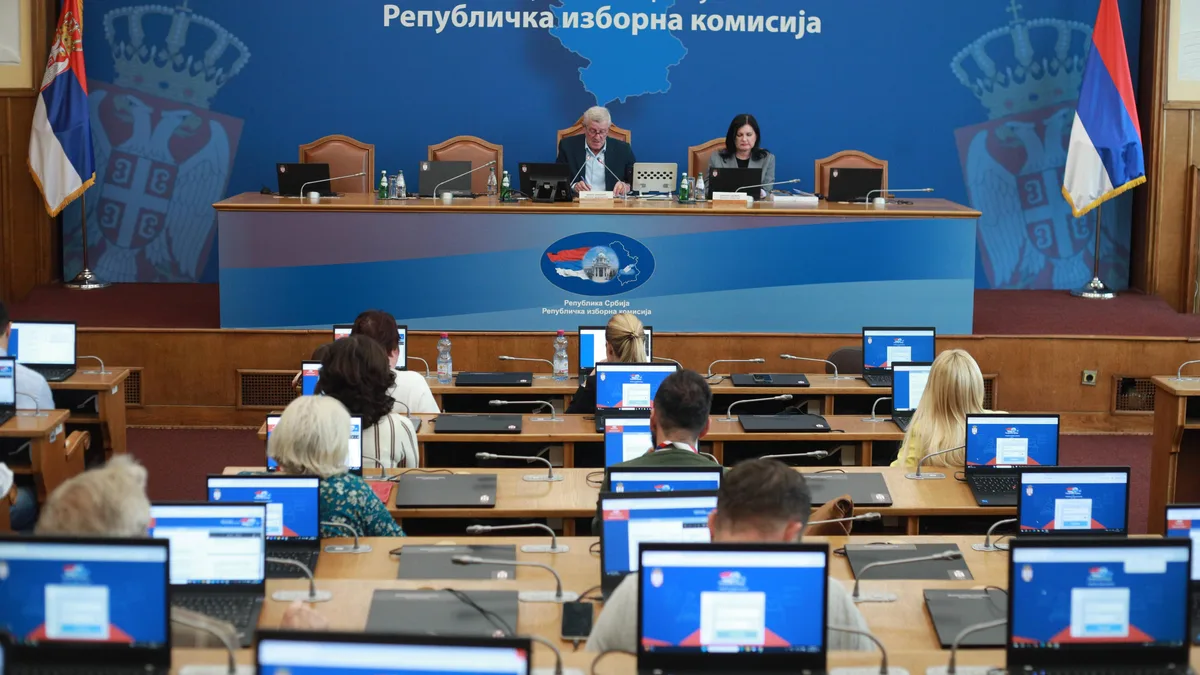
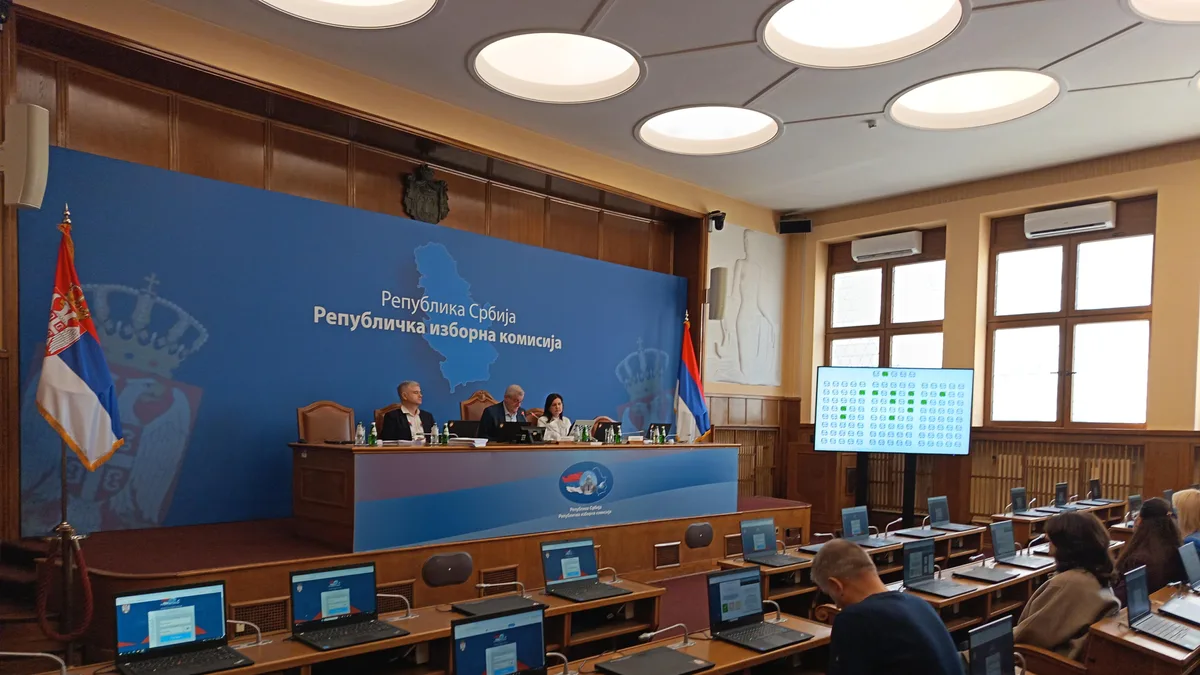
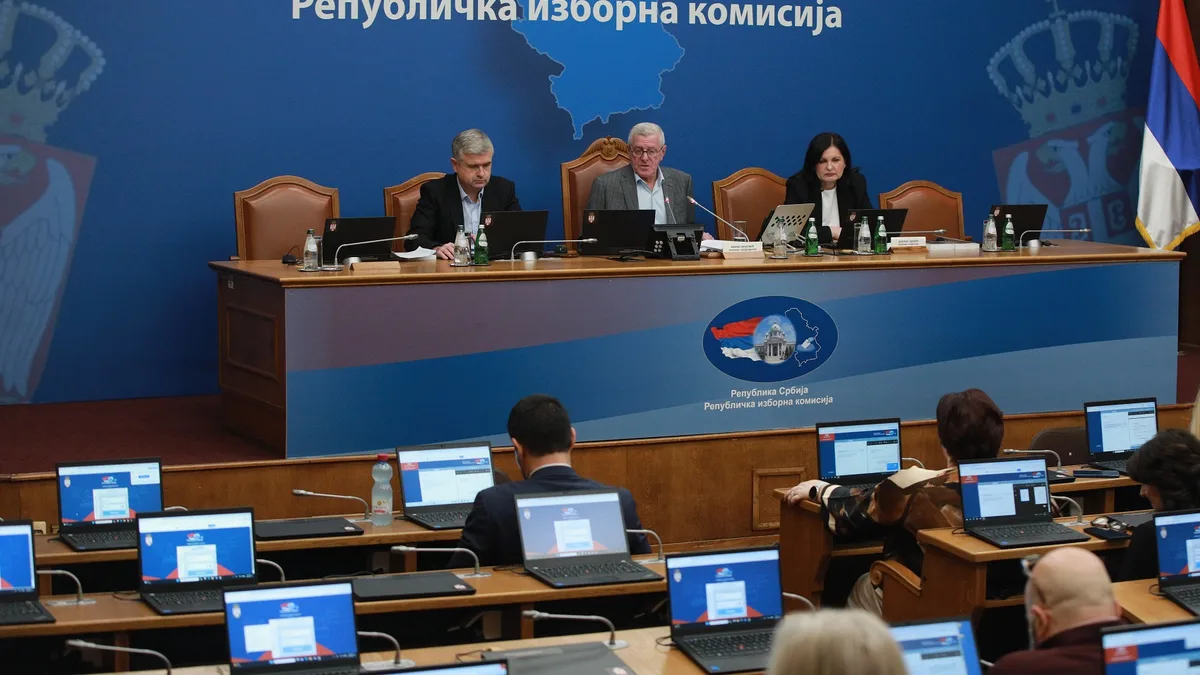
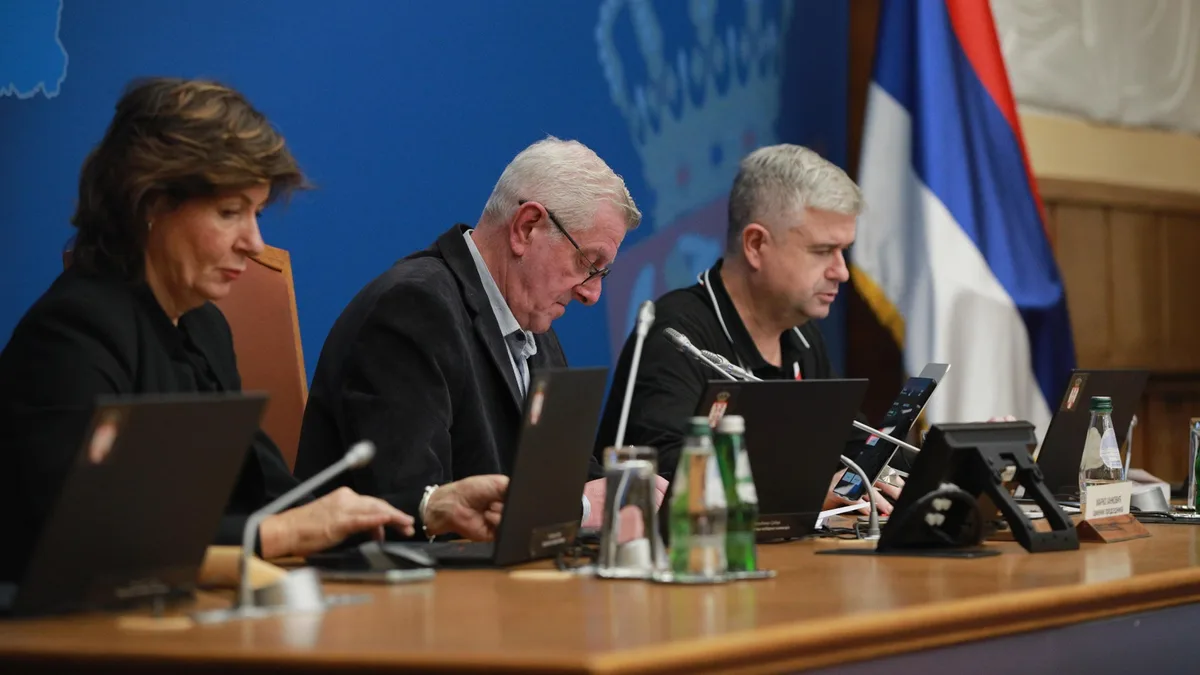
The Republic Election Commission (RIK), at its 27th session held on September 23 in the National Assembly building at 14 Kralja Milana Street, adopted the Decision on forms for submitting election lists of candidates for members of national councils of national minorities, along with the Timeline for carrying out election activities for the direct elections called for November 8. The session, attended by 17 RIK members, was chaired by deputy commission president Marko Jankovic.
The elections were called on September 18 by Demo Berisa, the minister of human and minority rights and social dialogue serving in a caretaker capacity. The day before, on September 16, the ministry temporarily closed the special voter list: it showed a total of 477,837 voters registered across 23 national minorities.
Who Votes Directly, and Who Through Electors?
Of the 23 minorities with a special voter list, 21 will elect their representatives to the national councils directly on November 8. The number of seats by council:
- Albanian 29, Ashkali 15, Bosniak 35, Bulgarian 19, Bunjevac 19
- Vlach 23, Greek 15, Egyptian 15, Hungarian 35, Macedonian 19
- German 15, Polish 15, Roma 35, Romanian 23, Rusyn 19
- Slovak 23, Slovenian 15, Ukrainian 15, Croatian 23, Montenegrin 23
- Czech 15
The Gorani minority elects 15 council members and the Russian minority 19, but their representatives are not chosen directly. Instead, they are elected through electoral assemblies.
To submit an election list, sponsors must collect signatures of support from at least one percent of the voters registered on that minority’s special voter list, and the number of signed statements cannot fall below 50. The forms for registering lists are unchanged from the 2022 elections, since neither the Law on National Councils of National Minorities nor the bylaw governing the conduct of elections has been amended since then. The package includes the election list of candidates, the candidacy acceptance statement, the list holder’s consent, the authorization to submit the list, the voter’s statement of support and the list of voters backing it. Documentation for the direct elections is posted on RIK’s website, and documentation for the electoral assemblies on the website of the Ministry of Human and Minority Rights and Social Dialogue.
Jankovic told the session that the timeline covers the formation of election boards and working bodies, the submission of election lists, polling stations, the special voter list and the conduct of the elections themselves. “Everything that is typical for a timeline, including the protection of voting rights,” he said.
The previous national council elections were held on November 13, 2022. By law, regular elections are held every four years, so the current cycle runs parallel to the parliamentary elections called for October 25.