EU and Germany Object to Kosovo Specialist Chambers Law
Brussels says the changes breach Kosovo's obligations, the German embassy calls for respect for the court's independence, and the Specialist Chambers say they were not consulted.
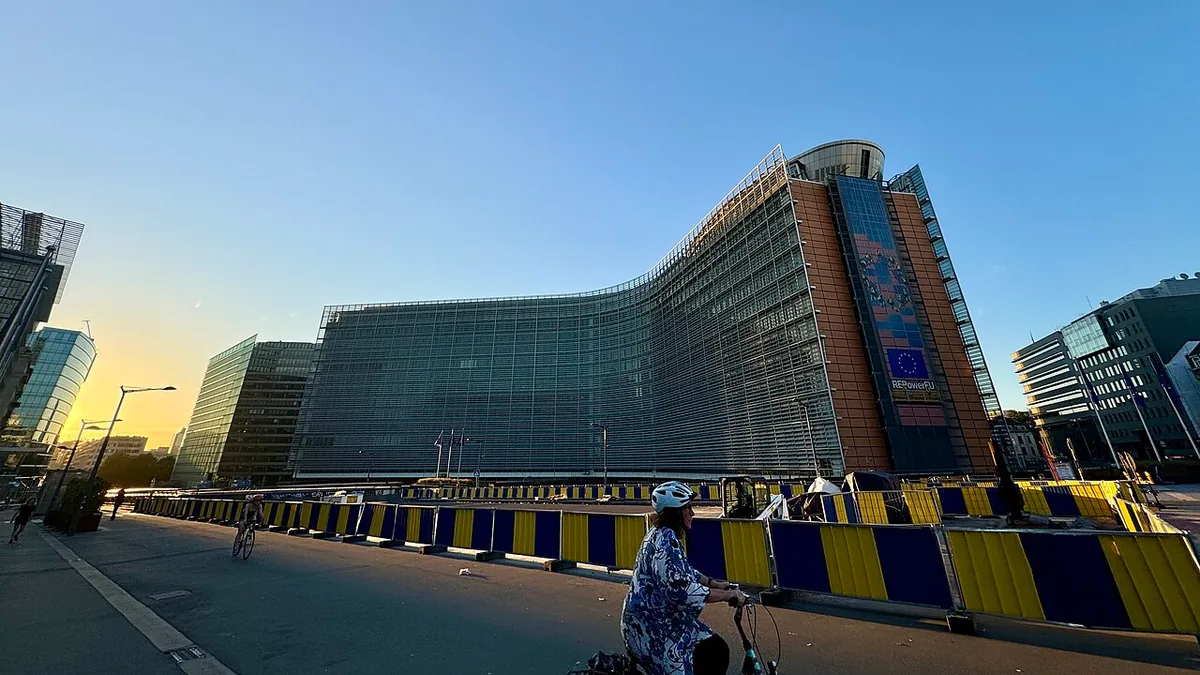
The European Union says the amendments to the Law on Specialist Chambers passed by the Kosovo Assembly run against Pristina’s international obligations to the Union. The German embassy in Pristina has joined Brussels in voicing concern, and the court in The Hague itself said it was not consulted on the changes. The reactions came after the Assembly, as we reported earlier, adopted the amendments.
An EU spokesperson, whose name the sources do not give, told the Pristina daily Koha Ditore that the move contravenes Kosovo’s obligations. The statement was also published by Radio Free Europe. The spokesperson said:
“We call on Kosovo to respect its international obligations to guarantee the judicial independence of the Kosovo Specialist Chambers, as well as the commitment it has undertaken to ensure accountability and to provide justice to victims and their families from all communities in Kosovo.”
The spokesperson added that the Union consistently supports the chambers as an independent judicial institution and that their current mandate must be fully respected. “The Kosovo Specialist Chambers deliver justice on the basis of the principle of individual criminal responsibility,” the spokesperson said. At the same time, Brussels welcomed the election of Justina Siroka Pulja as president of Kosovo, expecting it to bring institutional stability. “While the EU is ready to continue supporting Kosovo, our partnership implies not only shared interests but also shared responsibility,” the spokesperson stressed.
What did the German embassy say?
Katalin Hajne, spokeswoman for the German embassy in Pristina (also rendered Katalina Hajne in some sources), did not repeat the assessment that the changes conflict with international obligations. She spoke instead about the court’s independence. She told Radio Free Europe:
“The Kosovo Specialist Chambers are an independent judicial institution, established under the laws of Kosovo and supported by the Constitution of Kosovo. Their aim is to ensure accountability and justice for victims from all communities in Kosovo. For this aim to be achieved, their independence must be fully respected.”
“In line with the EU, we are watching the amendments to the law on the Kosovo Specialist Chambers with deep concern,” Hajne added. The embassy also said it supports the European Union’s position.
Has the law actually been adopted?
The sources disagree. Radio Free Europe and Radio KIM report that the Assembly adopted the amendments in the second reading on Tuesday evening, October 6, shortly before electing the president. Radio KIM writes that 88 deputies voted for the amendments, while Justina Siroka Pulja was elected with 81 votes. According to N1, the vote on the president ended three minutes after midnight, three minutes past the deadline set by the Constitutional Court.
Milica Andric Rakic, director of the New Social Initiative, told N1 that the law has not yet been adopted, because a third reading, the signature of the Assembly speaker and promulgation by the president still remain. She also assesses that the amendments have limited prospects in practice:
“Even if the Law is adopted, it has a very small chance of coming into force.”
She explains that the court in The Hague was designed to withstand political interference, owing to Article 162 of the Kosovo constitution. She assumes the court will ask its constitutional chamber to assess whether the amendments comply with the constitution. Germany’s Deutsche Welle, as relayed by Radio KIM, says on the other hand that the new president’s first task will be to promulgate the law.
What do the amendments provide?
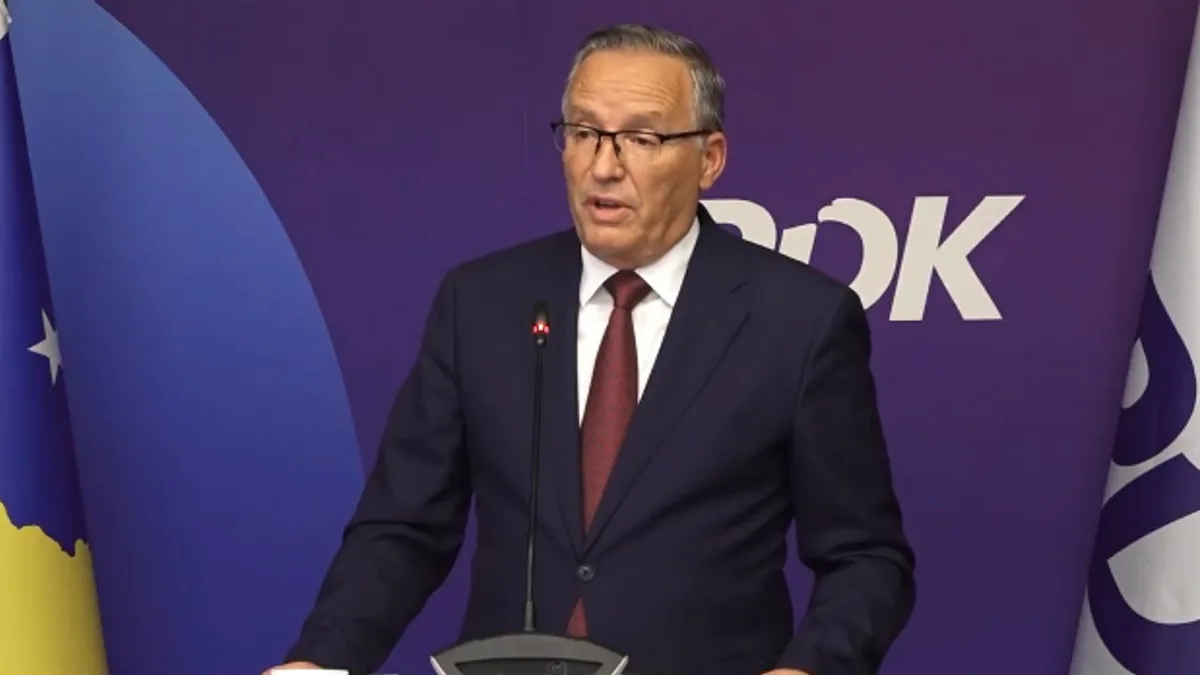
The proposal came from the Democratic Party of Kosovo (PDK), and its adoption was one of that party’s conditions for taking part in the vote on the president. According to Deutsche Welle, the court’s period of jurisdiction would be narrowed from January 1998 to December 2000 down to the period from July 1, 1999 to December 31, 2000. The amendments provide for a maximum sentence of 15 years, serving sentences in Kosovo, and the possibility for the president to pardon those convicted with final effect. They do not touch the court’s jurisdiction over alleged organ trafficking. PDK leader Bedri Hamza said, according to Deutsche Welle, that the law is not intended to abolish the chambers, and added: “On the contrary, the goal is to define the limits of the court’s mandate and powers more clearly.”
The verdict is the reason all of this is happening. On September 16, 2026, the Specialist Chambers sentenced Hashim Thaci and Jakup Krasniqi to 25 years each, Kadri Veseli to 18 years and Rexhep Selimi to 13 years, 81 years in prison in total. Protests have continued in Pristina since then.
What does the court say?
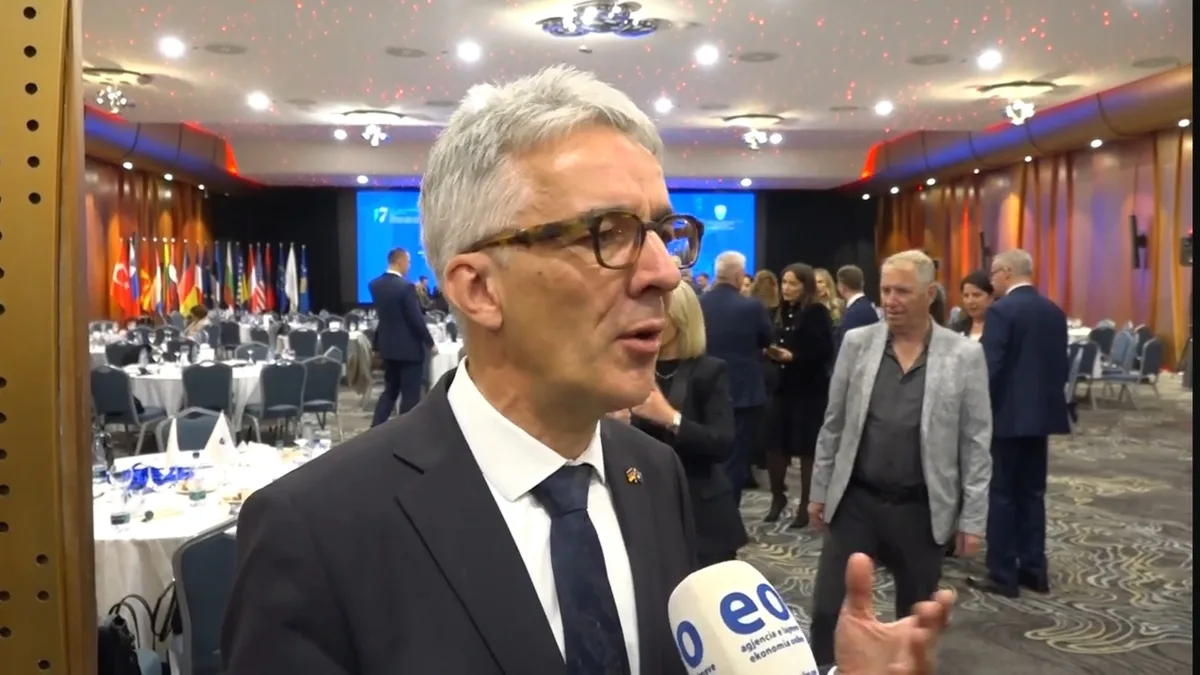
Specialist Chambers spokesman Michael Doyle told the portal Ekonomia Online:
“The Kosovo Specialist Chambers have not been consulted. We have no comment at this time. The Specialist Chambers are fully focused on carrying out their mandate to ensure fair, impartial and safe trials, as well as the protection of witnesses and victims.”
The legal basis of the chambers is a 2014 exchange of letters between Kosovo’s then president Atifete Jahjaga and the then EU High Representative Catherine Ashton. The chambers sit in The Hague but are part of Kosovo’s judicial system, and the European Union is their main funder, with almost 400 million euros since their founding.
Former Constitutional Court president Enver Hasani said on October 8 to the portal Nacionale that the law was adopted under pressure from citizens, and that without it there would have been escalation: “Had the Law on the Special Court not been adopted, it would have escalated into unpredictable violence.”