US Ties Kosovo Strategic Dialogue to Obligations to Serbs
A day after Kosovo's president asked Senators Shaheen and Durbin to restart talks, Washington repeated that renewal depends on Pristina meeting its obligations to Kosovo Serbs.
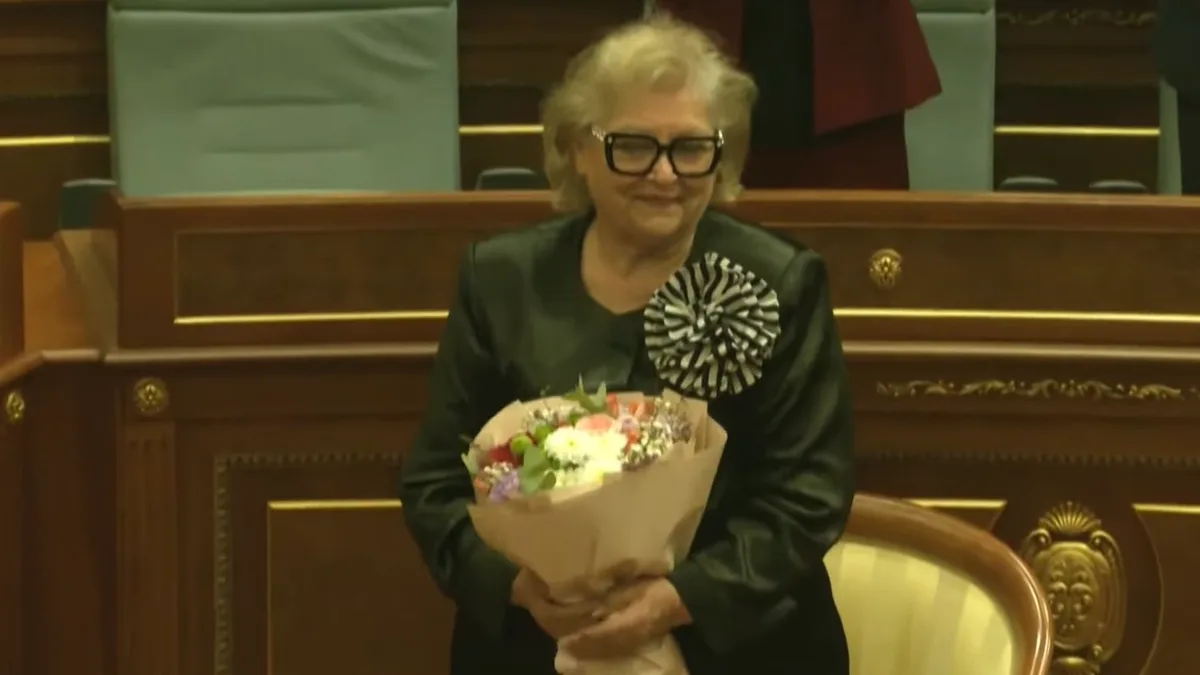
The US State Department has repeated that the Strategic Dialogue with Kosovo can move forward only once the right conditions exist, including Pristina meeting its obligations to Kosovo Serbs. The response came on October 13, a day after Kosovo President Justina Siroka Pulja asked US senators Jeanne Shaheen and Dick Durbin, in Pristina, to restart the dialogue.
According to a statement from the President’s Office, Siroka Pulja stressed the importance of the dialogue for deepening the partnership and advancing shared priorities. RTS reports that other Pristina institutions have made similar requests in recent days, directly at meetings in Pristina with the American administration and senators.
Who answered Pristina
The sources disagree on who authored the message. RTS reports that it came in a statement from the US Embassy in Pristina, sent to the newspaper Koha Ditore. Radio Free Europe and Radio KiM say a State Department spokesperson gave the answer in writing to Radio Free Europe on October 13. The RTS text does not say when the embassy sent its statement, so the date can be confirmed only for the State Department reply.
The content is the same in both versions. A State Department spokesperson told Radio Free Europe:
“We remain committed to advancing the shared interests of the United States and the people of Kosovo.”
The statement RTS attributes to the embassy adds that Washington looks forward to developing the dialogue “when appropriate conditions are met, including Kosovo’s fulfillment of its obligations regarding Kosovo Serbs.”
What Washington did not say
The State Department thus restated the position it took in July 2026. It did not specify whether Pristina has made progress since then, or which concrete steps are still missing. The obligations it expects are not listed either.
The US suspended the Strategic Dialogue indefinitely in September 2025, citing concerns over the actions of the then caretaker government of Albin Kurti. The embassy said at the time that measures against Serb institutions in Kosovo had raised tensions and instability and limited Washington’s ability to work productively with Pristina on shared priorities.
Radio Free Europe recalls that the US and the European Union have for years pressed Pristina to implement the agreements from the dialogue with Belgrade, above all the creation of an Association of Serb-majority municipalities, in line with the 2023 Basic Agreement and the Ohrid Annex. A question about the Association of Serb Municipalities was sent to the President’s Office, but no answer had arrived by the time that report was published.
Pristina, according to the same source, argues that implementation of obligations must be mutual. It says its moves in the north, from ending the use of the Serbian dinar to closing most Serb parallel institutions, were meant to establish the rule of law. It also demands that Serbia sign the Basic Agreement, which Belgrade has refused to do.
Shaheen: the dialogue should resume, but
Senator Shaheen told Radio Television of Kosovo it would be very good for the Strategic Dialogue to restart. She named changes in the US administration and the State Department as challenges.
We reported earlier on the meeting between the Serbian List and the same senators at the US Embassy in Pristina. The party’s president, Zlatan Elek, and the head of its parliamentary group, Igor Simic, expressed concern for the rights and safety of Serbs, according to the Serbian List statement, stressing that the Association of Serb Municipalities has not been established and that Serb representation in institutions is disputed. The statement does not say what the senators said in response.
Camp Bondsteel and an analyst’s assessment
Kosovo would also like to deepen security cooperation by asking that Camp Bondsteel become a permanent US base. Senator Durbin said the proposal deserves serious consideration and that the Kosovo government has proposed a financial agreement for that purpose. The Pentagon and the government in Pristina did not answer Radio Free Europe’s questions about the proposal.
Adrian Stuni, a Washington-based security and foreign policy expert, told Radio Free Europe that the suspension of the dialogue is not a break in all cooperation, since cooperation on security and on strengthening Kosovo’s military capacity continues. In his words, the high-level framework was hit, and he called the suspension a “political and diplomatic punishment.” Resuming the dialogue, he said, takes more than the political compromise that allowed Siroka Pulja to be elected:
“Without concrete and swift steps to create the appropriate circumstances, meet US demands and carry out previously assumed obligations, I do not see it as realistic to expect the strategic dialogue to resume.”
Stuni added that the decision rests with the executive branch, not the senators, whose visits help keep Kosovo in American view. He was more categorical about the Bondsteel proposal:
“The chances are slim that it will get a positive answer from the current administration, which is seriously considering reducing the military presence in Europe.”
In his assessment, Pristina’s financial offer is not negligible, but Washington’s decision will depend primarily on strategic and military interests.