

UN Security Council on Kosovo: UNMIK Report and Djuric
The session on Secretary-General Guterres's six-month report opens at 9 p.m. It cites stable security, institutional deadlock in Pristina and rising tensions in the north.
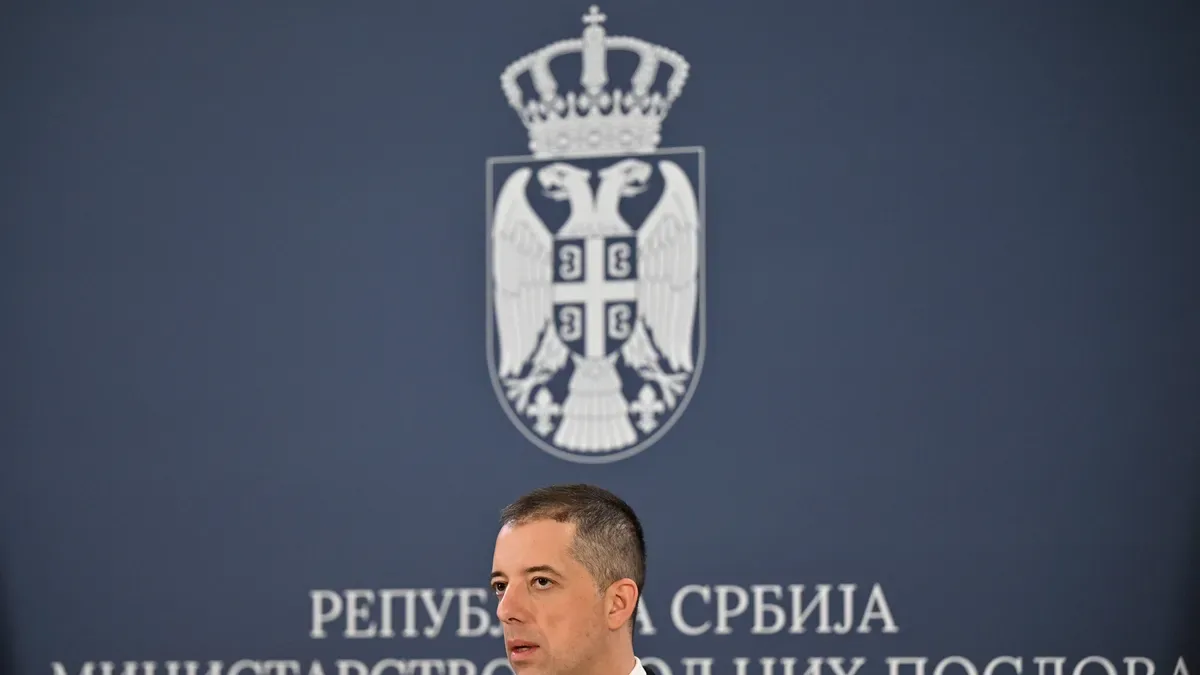
The UN Security Council meets in New York today, October 20, to review the six-month report on the work of the UN Mission in Kosovo (UNMIK). The session begins at 9 p.m. Central European Time, and Serbia is represented by Foreign Minister Marko Djuric.
The report by Secretary-General Antonio Guterres covers the period from March 16 to September 15, 2026. It is presented to Council members by Peter Due, the Secretary-General’s Special Representative and head of UNMIK, who took up the post in January. This is his second report to the Council, following the April 9 session, where Djuric also spoke for Serbia. Greece’s ambassador to the UN chairs the session, because the country holds the one-month rotating presidency this month.
What does Guterres assess in the report?
The general security situation in Kosovo has remained stable, but the institutional deadlock has continued. Guterres welcomed the peaceful conduct of the elections and the active participation of all communities, which he described as a sign of the resilience of democratic processes. He warned, however, that a prolonged stalemate risks eroding public trust and makes effective governance harder, and he urged all political actors to engage constructively and complete the remaining institutional processes.
On the dialogue between Belgrade and Pristina, the report notes “renewed progress,” but finds that substantive progress in implementing the agreements reached through European Union mediation has been limited. Guterres stressed that dialogue remains essential for lasting peace, stability and prosperity. He called on both sides to implement in good faith their obligations under the 2023 Agreement on the Path to Normalization and its Implementation Annex, agreed in Ohrid. He added:
“I encourage both sides to refrain from actions that could provoke tensions, to contribute to an atmosphere conducive to dialogue, and to strive for concrete results that will benefit all communities.”
The Secretary-General wrote that sentence in the report, and the Beta news agency carried it.
What does the report say about northern Kosovo?
According to the report, tensions between central authorities and municipalities have grown, particularly in the north, over jurisdiction, municipal-level decisions, demolitions, evictions and the conduct of Kosovo police. The situation in the north is described as calm but fragile. One example of a clash over jurisdiction is an administrative act issued on April 23 by Pristina’s Minister of Local Government Administration, which regulates the work of a joint board of the municipalities of South Mitrovica and North Mitrovica.
The report also lists a series of specific events:
- after Vidovdan at Gazimestan on June 28, 37 people were arrested for allegedly disturbing public order
- from April to August, police stopped Serbs, including four minors, over inscriptions and images on T-shirts
- three Serbs were convicted over the events in Banjska
- the company Ibar Lepenac continued to demolish Serb-owned structures at Lake Gazivode, despite calls to stop, including one from the European Union
- on August 10, KFOR announced a gradual withdrawal of its permanent presence from the main bridge over the Ibar in Kosovska Mitrovica, and Kosovo police were due to enter the security arrangement around the Visoki Decani monastery
The Serbian List party and the Eparchy of Raska and Prizren voiced security concerns over the last announcement.
Which questions remain open?
Guterres says problems persist with the reintegration of Kosovo Serb judges and prosecutors, along with concerns over language rights, media freedom and religious freedom. He welcomed the appointment of a chief prosecutor and encouraged continued efforts to ensure that non-majority communities are represented in judicial institutions. In his assessment, decisions affecting those communities, including on property, demolitions and evictions, should be approached through meaningful consultation, with equal treatment and legal certainty.
The Secretary-General describes the issue of missing persons as politicized. Efforts to establish their fate, he says, should remain humanitarian in character and focused on families, and he calls on Belgrade and Pristina to cooperate in good faith and respect the right of families to learn the truth. The report also states that UNMIK’s good offices and facilitation role remains an important instrument for building a cohesive, multiethnic society.
Since Resolution 1244 was adopted on June 10, 1999, the Security Council debated Kosovo four times a year until 2018. In 2019 there were three sessions, and since 2020 there have been two a year, in April and October.


