Vucic Pardons: Judges and Prosecutors Demand Names
After the Higher Public Prosecutor's Office dismissed a complaint over 49 pardons, a group of judges and prosecutors asks four questions. The names of those pardoned have not been released.

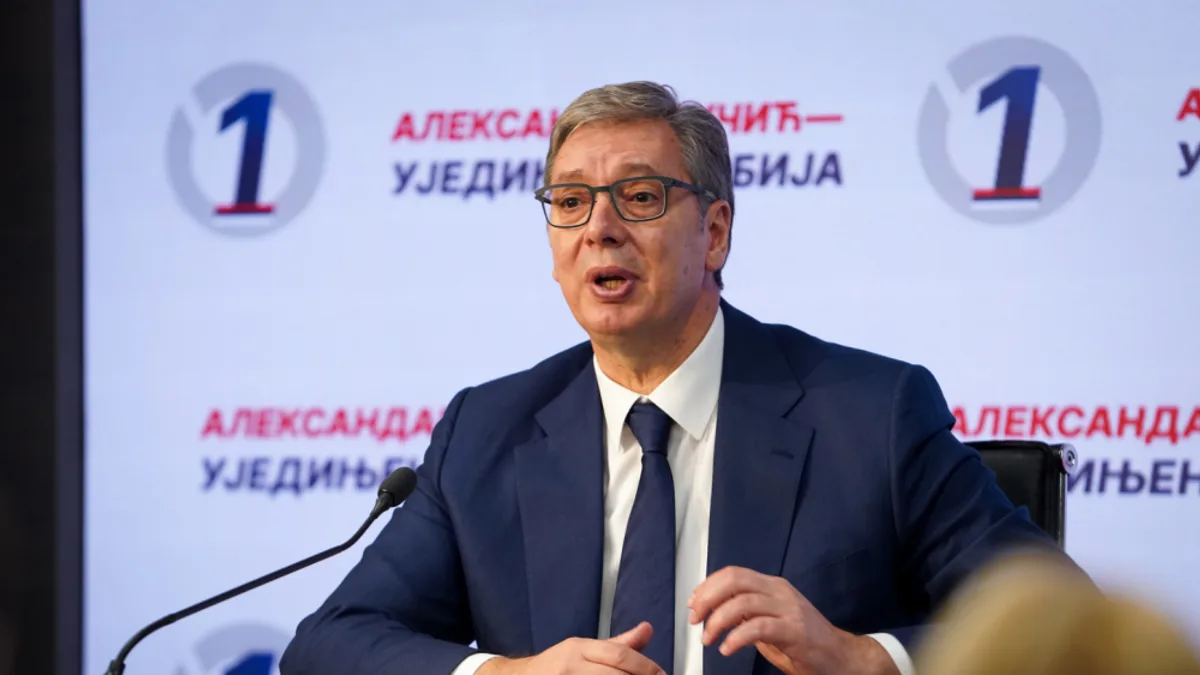
A group of judges and prosecutors called Odbrana struke (Defense of the Profession) asked the public prosecutor who dismissed a criminal complaint against Aleksandar Vucic on October 21 to tell the public who initiated the pardon proceedings and who was pardoned. The trigger was a decision by the Special Department for the Suppression of Corruption of the Higher Public Prosecutor’s Office in Belgrade, published on the prosecution’s website on October 20, on a complaint over 49 pardons that Vucic issued on September 27 as president of Serbia.
The complaint, alleging abuse of office, was filed by the Democratic Party and its president, Srdjan Milivojevic. We reported earlier, without official confirmation, that the complaint had been dismissed. Now there is an official explanation, and the group cites it in its statement.
What questions is Odbrana struke asking?
In a statement carried by the Beta news agency, the group lists four questions. Who initiated the pardon proceedings? Who are the pardoned persons? Did the Ministry of Justice issue an opinion on the pardons? Was the opinion of the courts that conducted the proceedings against the pardoned persons sought?
The group says that before dismissing the complaint, the prosecutor must have reviewed the pardon decisions and their reasoning. It describes the prosecutor’s handling of the case as “extremely efficient and fast.” The questions, the group stresses, cannot amount to pressure on the prosecution’s work, because the decision to dismiss has already been made.
“The public has a legitimate interest in receiving answers to these questions,” the group of judges and prosecutors “Odbrana struke” said.
What did the prosecution say in its explanation?
According to the prosecution’s statement, there are no grounds for suspicion that the reported offense was committed, or any other offense prosecuted ex officio. The explanation of the ruling states:
“The explanation of the ruling dismissing the criminal complaint indicates, among other things, that the reported A.V. did not act outside the limits of his constitutional powers, in a manner that would constitute the statutory elements of the criminal offense of Abuse of Office, nor did his actions bring him a benefit, cause damage, or seriously violate the rights of another.”
The prosecution adds that the mere fact that the complainant disputes the legality or the manner in which the pardon decisions were made is not enough to count as evidence, and that “not a single piece of evidence was submitted with the complaint to support the claims made in it.”
What is known about those pardoned?
Vucic pardoned 49 people, and their names have not been released. According to Beta, he said that among them are 12 activists from Novi Sad who were tried on suspicion of preparing an offense against the constitutional order and security of Serbia, as well as 11 people who, in his words, took part in incidents against “blockaders.”
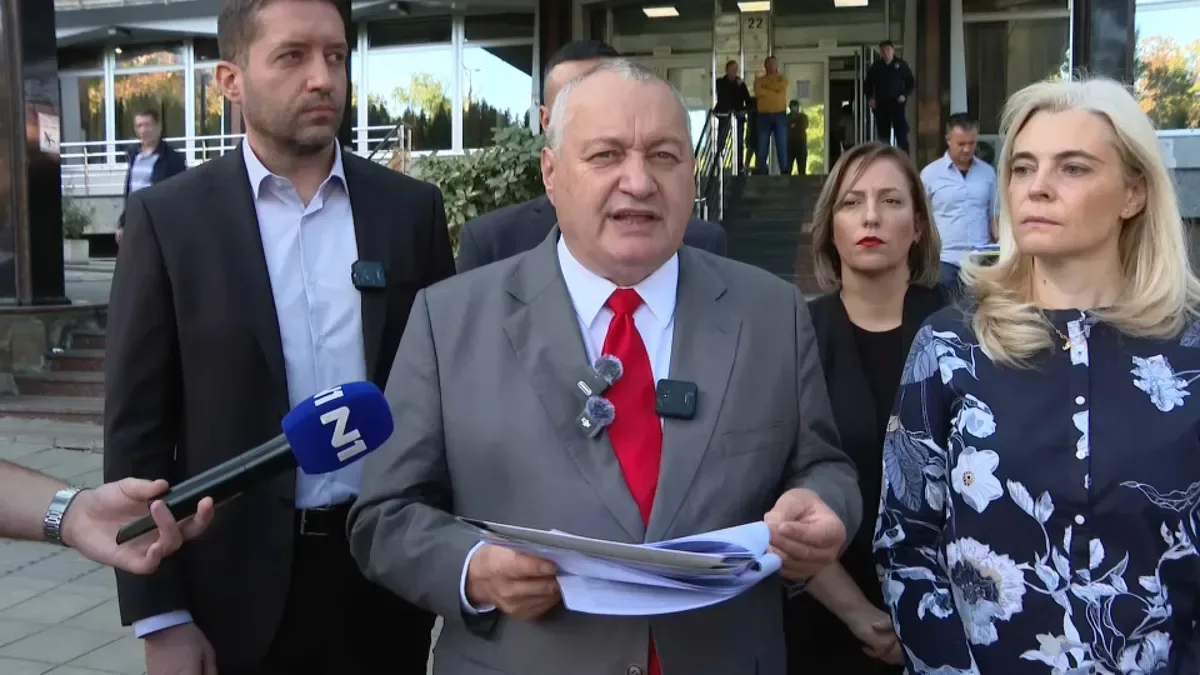
Sources differ on the timing. Beta reports that the decisions were made just before the resignation with which Vucic announced his candidacy in the elections. Lawyer Jovan Rajic told N1 that the pardons were granted the day after the president stepped down:
“It is obvious that the authorities are hiding the names of the people who received pardons only one day after the president withdrew from that office. The entire conduct of the officials points to the fact that they have something to hide.”
Acting President Ana Brnabic declined to name those pardoned at a party news conference on October 11. “We here must not and will not talk about state matters,” she said, and when asked what prevents her from saying who was pardoned, she answered: “The officeholder campaign and the law.” Asked when she would speak as acting president, she said: “I will speak, don’t worry.”
According to N1, an abolition, meaning a halt to criminal proceedings, can by law be granted only at the request of the justice minister. That is why the question about the Ministry of Justice’s opinion remains one of the four that Odbrana struke is putting to the prosecutor.