Zemun Evictions: Student List Appeals to Bailiffs
The Students Win list published an appeal on its website and announced changes to the Law on Enforcement and Security. Bailiffs are not obliged to act on a political appeal.
The Student List, Students Win, published an appeal on its website on November 2, 2026, calling on public bailiffs to drop the forced evictions of families in Zemun and Vracar. According to the appeal, the evictions are scheduled for November 2 and 4. It is the winning list’s first demand since the October 25 election that concerns the daily lives of citizens rather than the structure of the state.
What does the list ask of the bailiffs?
The list wants the evictions halted until citizens have effective legal protection. The appeal states: “Until effective legal protection is ensured, no one may be exposed to the irreversible consequences of losing their home.” The list adds that “the right to a home and human dignity must take precedence over private profit.”
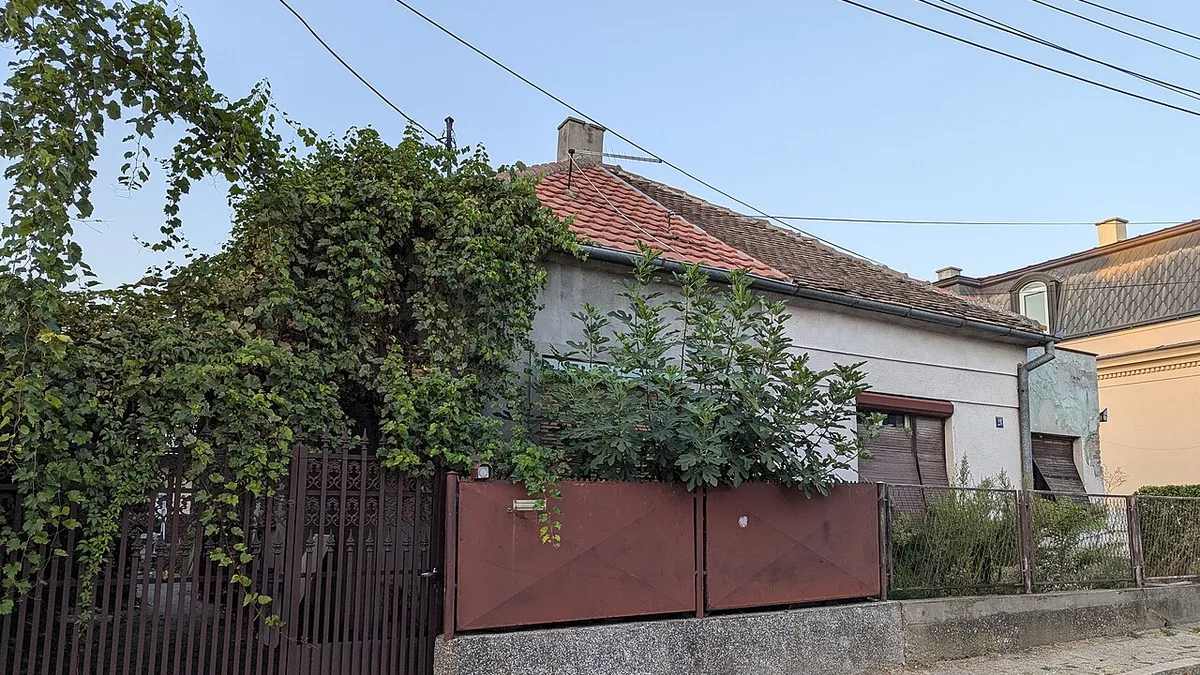
Only one of the families is named, the Nedeljkovic family from Zemun. The weekly Vreme reports claims that accompany the appeal: that family’s lawsuit is still pending without a verdict, and the bailiff is trying to carry out the eviction on the basis of what is alleged to be a fictitious lease agreement. The family from Vracar and the addresses have not been published.
What is the list’s demand based on?
The authors of the appeal start from the position of bailiffs. They say public bailiffs hold public powers but work independently, and that their income depends on collecting debts and the costs of proceedings. In the list’s assessment, this creates a risk of conflict between the public interest and private earnings.
The list also claims that small debts grow many times over because of enforcement costs, that properties are sold well below market value, and that people lose their homes and still owe the remainder. Court protection, it says, often arrives too late:
“Starting court proceedings often does not stop a sale or an eviction, even when the lawfulness of the enforcement is being challenged. Irreversible consequences must not occur before citizens are provided with effective judicial protection.”
That is how the appeal puts it. The list also says the state must protect its citizens, not enable others to profit from their misfortune.
What does the list’s program envisage?
The appeal draws on the election program. It provides for protection of the only home that meets a household’s basic housing needs, changes to the Law on Enforcement and Security, a broader right to a home, judicial oversight and measures against abuse. “We will build an enforcement system based on humanity, fairness and accountability,” the Student List states.
Vreme recalls that public bailiffs have operated in Serbia since 2012, and that the law has been criticized precisely because their income depends on the volume of collection. The same weekly assesses that this is the list’s first public intervention in specific cases since the election, and that changes to the law are realistic only after a new parliament and government are formed.
Will anyone act on the appeal?
Bailiffs are independent and are not obliged to act on political appeals, so the outcome depends on them and on the courts. At the time the source was published, it was not known whether any eviction would be postponed. The available statements and reports contain no response from the Chamber of Public Bailiffs or from individual bailiffs.