Serbia Votes for 23 Minority Councils: 949 Polling Stations
The Republic Electoral Commission has formed polling boards, ordered 481,157 ballots and registered 204 observers for Sunday's vote on the councils of 23 national minorities.
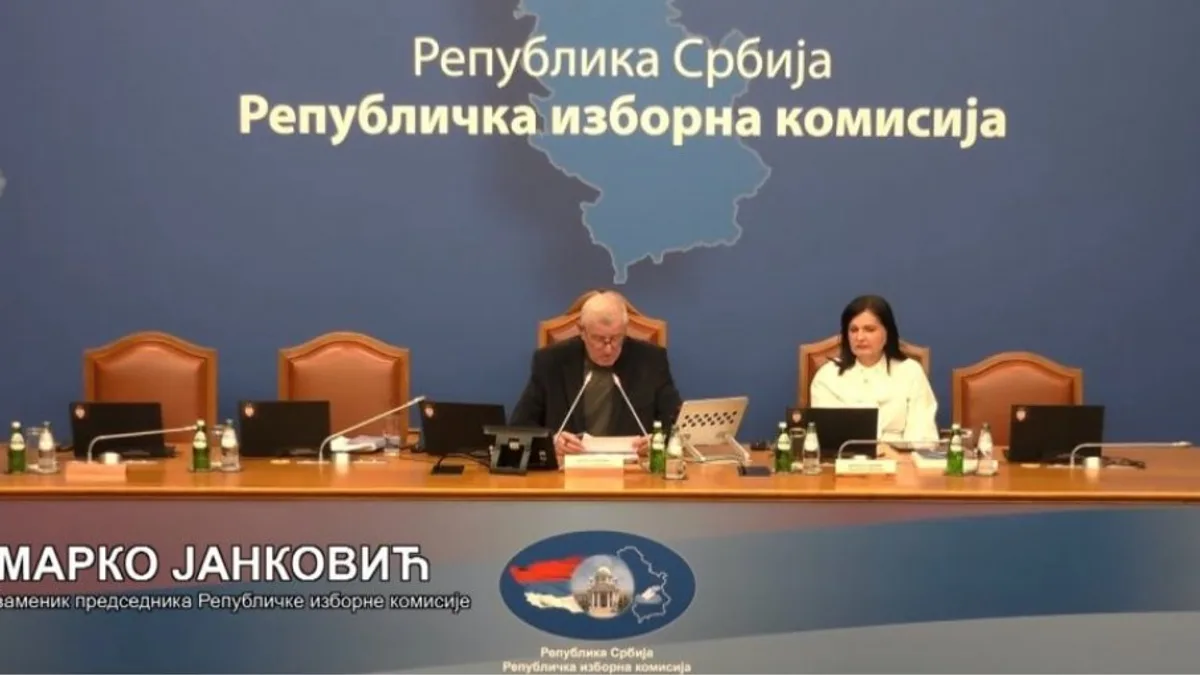
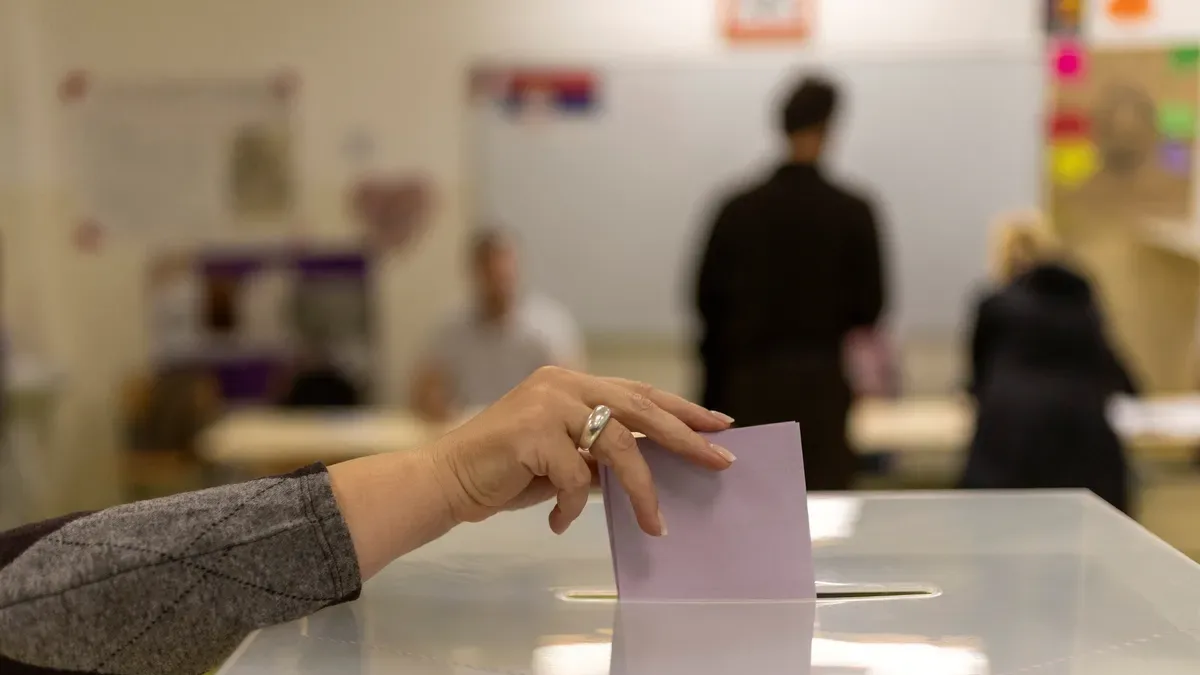
On Sunday, November 8, 2026, members of 23 national minorities elect the members of their national councils. The Republic Electoral Commission (RIK) has by now put together what the vote requires: polling boards at all 949 polling stations, 52 electoral lists, 481,157 printed ballots and a list of registered observers. After the registration in the special voters’ register, which we covered earlier, these are the first final figures for election day.
What has the commission prepared for Sunday?
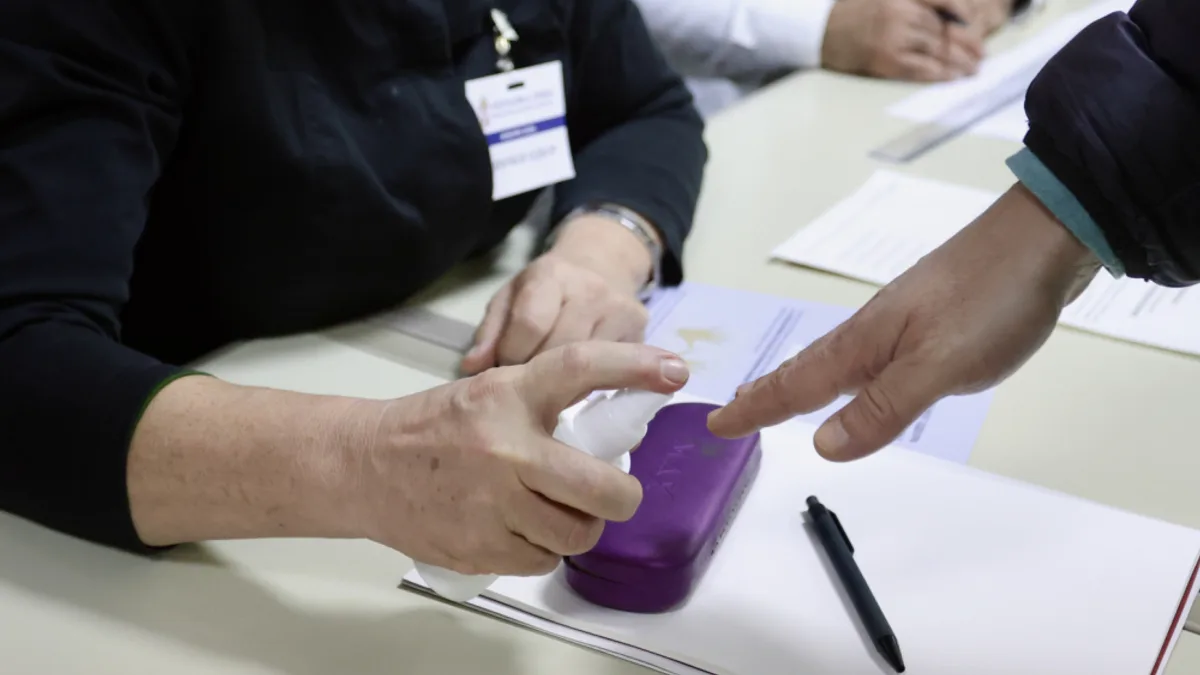
The commission adopted a decision forming polling boards for the direct elections at all 949 polling stations. A total of 481,157 ballots is being printed for them. That is the number of voters entered in the register, plus a reserve of 0.5 percent.
According to the commission’s session on November 2, the rest of the preparations look like this:
- 52 electoral lists have been declared
- 204 observers, domestic and foreign, have been registered
- list submitters have registered 1,194 representatives, informally called overseers
- a decision on the final number of voters and a possible change to the number of ballots was on the agenda for November 5
Who will observe the vote?
The domestic observers include the associations OKO, Bravo NS, Kreni-promeni, Budni, Kraj and Liberta NS. There are 24 foreign observers, distributed as follows:
- OSCE mission: 12
- British embassy: four
- Slovak embassy: four
- United States embassy: two
- European Union Delegation to Serbia: two
Why were polling boards changed?
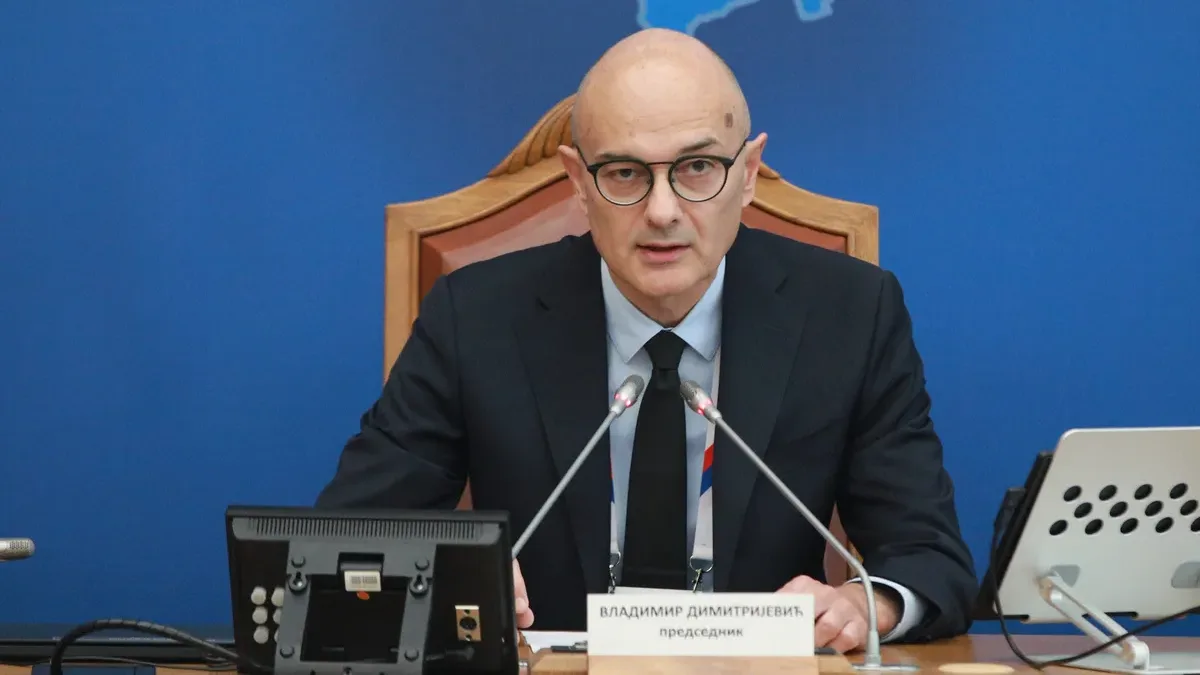
At the November 2 session, RIK adopted decisions amending the formation of polling boards, along with changes to the decision on the commission’s working bodies for the municipalities of Presevo and Boljevac. Deputy RIK chair Marko Jankovic said that changes to the makeup of polling boards are standard practice before elections.
Jankovic listed the districts affected: Raska, Zajecar, Macva, Branicevo, Srem, Pomoravlje, South Banat, Bor, Jablanica, Central Banat, West Backa, Pcinjska, North Banat, Pirot and North Backa, then Sumadija and the City of Belgrade, namely the municipalities of Palilula, Savski Venac and Grocka. That is the list from his statement at the session, not the official administrative division.
At the end of the session Jankovic announced that election materials would be handed over to the working bodies, district by district, the next day, November 3, ahead of the vote.
Which minorities vote directly, and which through an electoral assembly?
On September 16, the Ministry for Human and Minority Rights and Social Dialogue provisionally closed the special voters’ registers and determined that 21 national minorities met the conditions for direct elections: Albanian, Ashkali, Bosniak, Bulgarian, Bunjevac, Vlach, Greek, Egyptian, Hungarian, Macedonian, German, Polish, Roma, Romanian, Rusyn, Slovak, Slovenian, Ukrainian, Croat, Montenegrin and Czech. Members of the Gorani and Russian minorities choose their representatives through an electoral assembly, for 15 members of the Gorani council and 19 members of the Russian council.
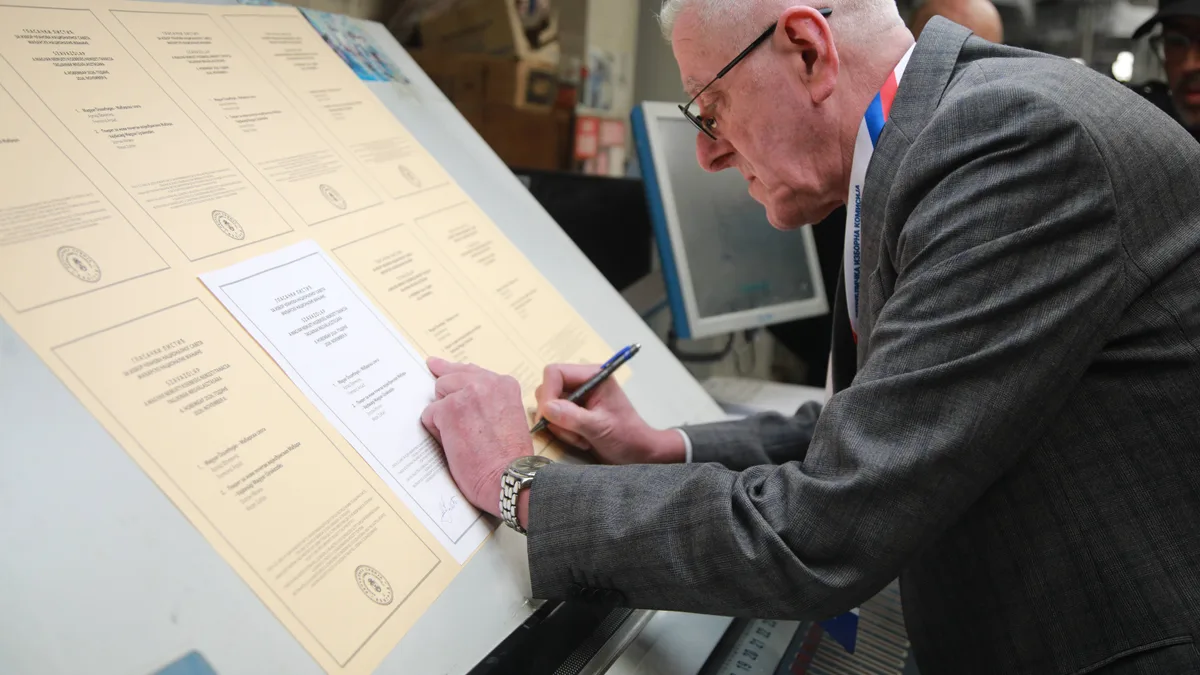
The elections were called by the minister for human and minority rights and social dialogue in the caretaker government, Demo Berisa. After signing the decision at the Palace of Serbia, he said:
I believe that with these elections we will show once again that differences can be our strength, and that every national community has its place and a chance to contribute to the society in which we live.
On that occasion Berisa also reminded that national councils have powers in the fields of culture, education, information and the official use of language and script.
How many members does each council elect?
In direct elections, the number of members depends on the minority:
- 35 members each for the Bosniak, Hungarian and Roma councils
- 29 members for the Albanian council
- 23 members each for the Vlach, Romanian, Slovak, Croat and Montenegrin councils
- 19 members each for the Bulgarian, Bunjevac, Macedonian and Rusyn councils
- 15 members each for the Ashkali, Greek, Egyptian, German, Polish, Slovenian, Ukrainian and Czech councils
The term of one convocation of a national council lasts four years. The previous elections were held on November 13, 2022.