FSS Sets No Election Date, Mandates Expire October 31
The FSS Executive Committee met on September 11 without setting a date for the Election Assembly, and the mandates of all its bodies expire on October 31. The delay risks a FIFA takeover.

The Executive Committee of the Football Association of Serbia (FSS) met on Friday for a shorter session than expected, and walked away with exactly what it had before: no date for the Election Assembly. It is the third time this year the deadline has slipped, and the calendar running up to October 31 is quickly running out of room.
The Assembly has already been scheduled and cancelled twice this year, first on June 24 and then on September 2. The second date had been fixed back in June by a separate decision of the Executive Committee, so even that cancellation came without an explanation. A third attempt is now on the table, and according to what emerged after Friday’s session, it should get an actual date in the final ten days of September.
The urgency is simple and unforgiving. At midnight on October 31, the mandates expire for the FSS president, the entire Executive Committee, the Disciplinary Commission, the Appeals Commission and the Licensing Commission. None of them can stay on in an acting capacity while new elections are organized. The one post exempt from that expiry is the secretary general. Branko Radujko has held that role since September 2024, and if elections are delayed, he would effectively be left running the Association alone, forced to take on decisions that normally fall to those other bodies.
Who can run, and who has not yet stepped forward
For a presidential candidacy to be valid, it must be filed by October 15, and the candidate’s name should be known two weeks before the Assembly session itself, meaning before the final list of delegates is even confirmed. Based on the composition of the Assembly, which counts 85 delegates with room for later adjustments to that list, three people formally have the right to run: current president Dragan Dzajic, Nikola Lazetic, head of the Belgrade Football Association, and former vice president Branislav Nedimovic.
None of the three has filed a candidacy so far. No proposal has come in from regional or sport-specific organizations either, which under the rules could also put forward a name, nor has any candidacy arrived carrying the signatures of five delegates, the only route open to a candidate outside the three named above. For now, then, no one has officially entered the race for the presidency at Terazije 35.
What happens if the deadline passes
If new leadership is not elected on time, FIFA is the first to act. In such situations, world football’s governing body is obligated to approve extraordinary elections, but before that it appoints what is known as a Normalization Committee, a body that would run the Association in place of its regular organs until new leadership is chosen. That scenario has previously played out in Africa and Asia, and would be unprecedented in Serbian football.
The danger would grow even sharper if Serbia’s government or a court stepped in and tried to take over management of the Association. In that case, FIFA’s own rules call for suspending clubs and national teams from international competitions, with the possibility of freezing the funds that finance the Association as well.
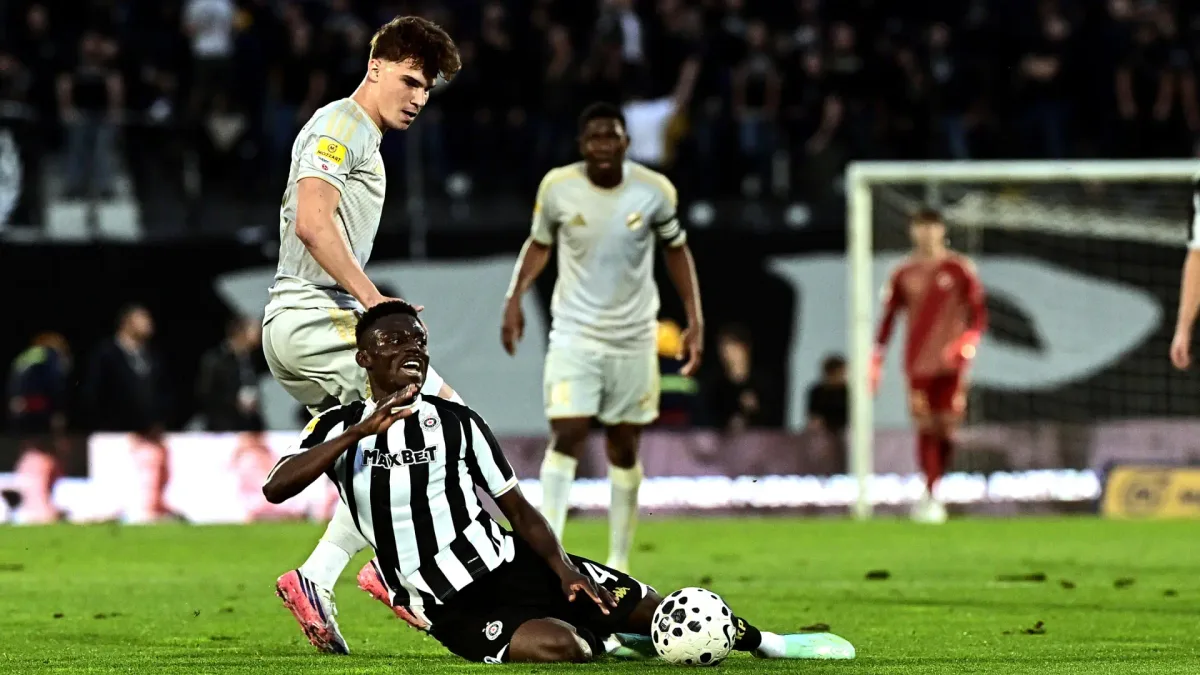
The fastest consequences would be felt in the Mozzart Bet Superliga. Without a Disciplinary Commission or an Appeals Commission, there would be no one to rule on a red card or a more serious incident on the pitch, which in practice means the league could grind to a halt after the very first contentious moment at one of its stadiums.
After two failed attempts, the deadlines now stand firm with no room for further postponement. Candidacies close on October 15, the election session must be held by October 31, and the first real test of how seriously the whole process is being taken comes in the final ten days of September, when the Executive Committee is finally supposed to nail down a date.