

Trump gives Brussels a July 4 deadline to ratify the trade deal
Washington and Brussels concluded a provisional agreement under which the EU drops tariffs on US industrial goods and the US caps tariffs on most European goods at fifteen percent, with the final vote due in mid-June.
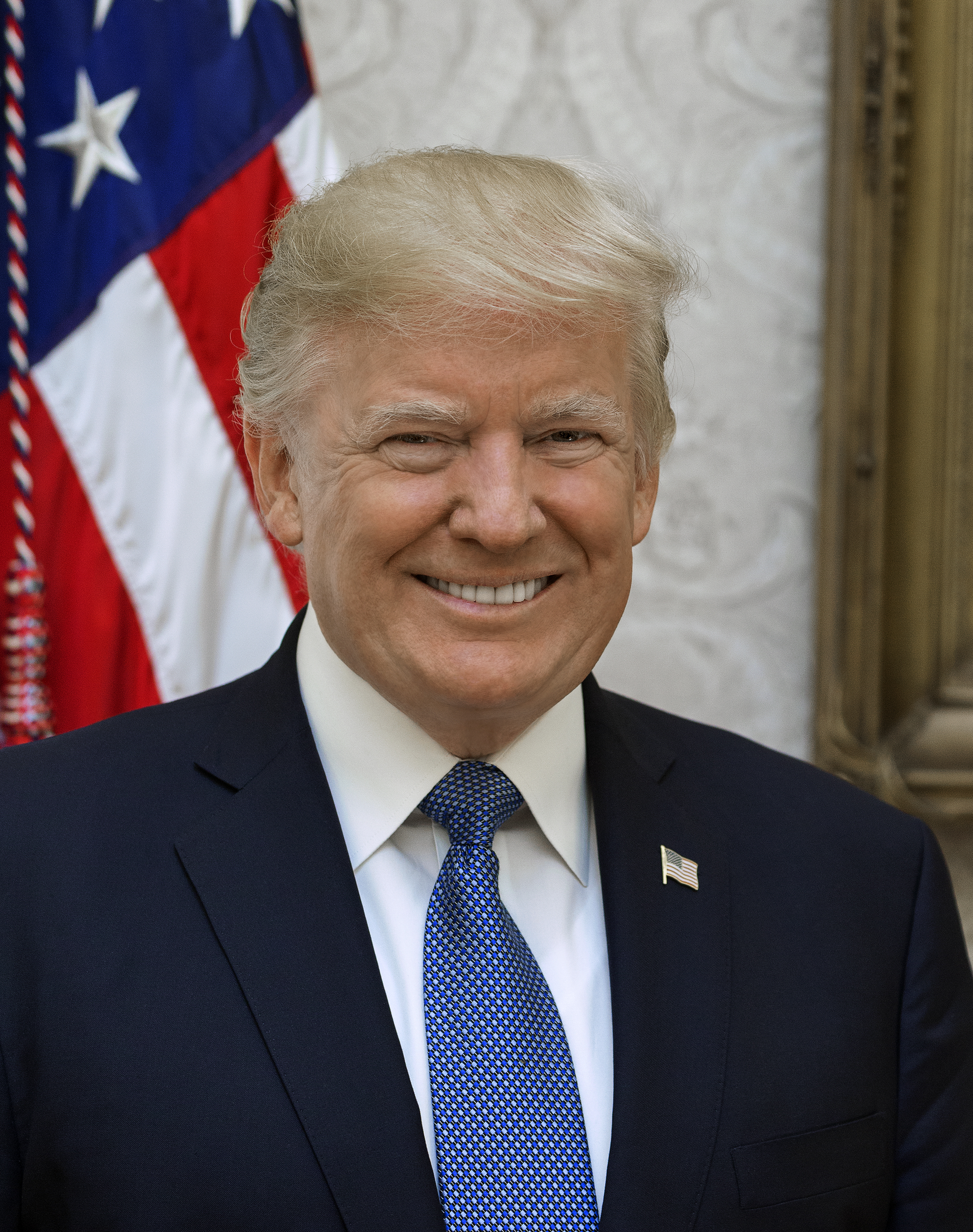
Washington and Brussels during May set a deadline of July 4, 2026 for the final ratification of a trade agreement under which the European Union drops tariffs on US industrial goods, and the United States caps tariffs on most European goods at fifteen percent, CNBC reported from Washington on May 20. Trump, in a post on the Truth Social platform, signalled that if Brussels does not meet the deadline, US tariffs on European cars and trucks could jump to 25 percent as early as July, a topic with direct consequences for the European automotive sector and its suppliers in Central Europe.
For Serbia, this agreement is not a neutral item. The Serbian automotive sector, which has 73 supplier companies with direct contracts with Germany’s Audi, Volkswagen and BMW, and with France’s Stellantis, follows every signal about the price of the end product on the US market. If European car exports to the US end up burdened with a 25 percent tariff, Serbian suppliers would face a fall in orders that, according to the Chamber of Commerce of Serbia, could exceed 11 percent in the third quarter.
The deal between Brussels and Washington, now before the European Parliament and the Council, contains three key elements. The EU commits to removing existing tariffs on US industrial goods, covering machinery, chemicals and processed metals. The US caps tariffs on most European goods at 15 percent, a significant rise from the average tariff of 4.2 percent in 2024, but below the previous threat of 30 percent Trump issued in March. The third element foresees a joint working group on car tariff review, to be formed within twelve months of the deal entering into force.
What about the legal dispute over Section 122
In a parallel ruling, a divided panel of the US Court of International Trade decided on May 7 that Trump’s ten percent tariffs, introduced through powers under Section 122 of the Trade Act of 1974, were unlawful and unauthorised. If Congress does not extend the authority, it expires on July 24. The Trump administration has, in response, accelerated the use of Sections 301 and 232, launching two large Section 301 investigations whose aim, US officials say, is “tariff revenue that stays practically unchanged in 2026.”
Fredrik Erixon, director of the Brussels-based European Centre for International Political Economy (ECIPE), told Politico Europe that the July 4 deadline is “a chosen metaphor, not a real trade boundary,” because the Commission as a rule can complete ratification only in the second half of July. On his estimate, Trump set the deadline as a mix of domestic political messaging and pressure on Brussels, with an expectation that the final version of the deal will be adopted somewhere between July 7 and 15, still within the window of an election month ahead of the US midterms.
Berlin and Paris cautiously satisfied
On the German side, Economy Minister Robert Habeck had earlier warned that a higher car tariff could hamstring German industry at a time when it is already in critical shape. Accepting the deal with a 15 percent cap, although above the historical average, was assessed in Berlin as “acceptable, though not ideal.” The Merz government believes the deal is sufficient to avoid a complete collapse of the German export model, but not to halt the structural problems of the auto industry tied to the shift to electric drivetrains and Chinese competition.
Paris is moving in a somewhat more cautious tone. Trade Minister Laurent Saint-Martin said the deal is “an acceptable compromise in the given circumstances,” but France reserves the right to bring proceedings before the World Trade Organisation if the US selectively interprets specific product categories. The Brussels Directorate-General for Trade spokeswoman said the Commission “expects a constructive approach” from both sides, language read in the jargon as an acknowledgement that there are hidden risks in the interpretation of supply chains.
The vote on final ratification in the European Parliament is expected in mid-June, with confirmation in the EU Council announced for June 23. If the process is wrapped up within that window, the deal enters into force on August 1, the day after the transitional period for the Section 122 tariffs expires. If it fails, an automatic escalation to 25 percent tariffs on European cars follows, with consequences spilling into the next quarter and making the summer economic window less predictable for all the relevant economic actors.


