

Washington extends Russian oil waiver, EU with reservations: price falls to 73 dollars
The Trump administration extended the general licence allowing vulnerable countries to buy Russian oil despite sanctions for another 30 days, while European capitals voice concern that the easing weakens pressure on Moscow and needlessly helps Russia's war budget.
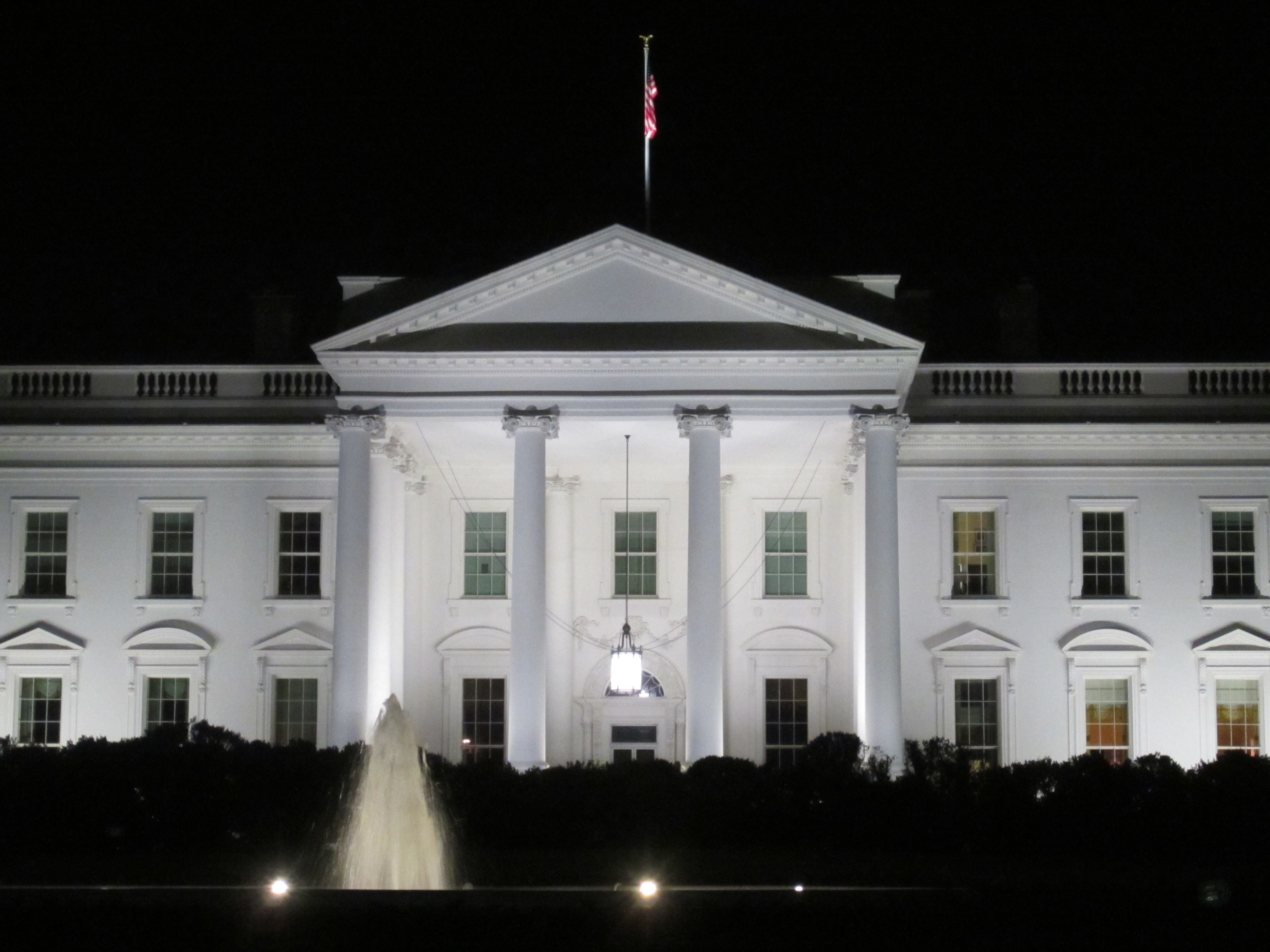
The Trump administration on Tuesday extended the general licence allowing vulnerable countries to continue importing Russian oil despite Washington’s sanctions regime, for a further 30 days and with the formulation that the aim is “to ease energy pressure on countries that lack alternative suppliers.” The decision, officially published in a statement from the Office of Foreign Assets Control at the US Treasury, continues a line of easings begun in March as a consequence of the US-Israel-Iran war that during spring caused a sharp jump in global oil prices.
For Serbia, which holds the Petroleum Industry of Serbia under Russian majority ownership and which through Pancevo and Novi Sad operates two refineries whose feedstock supply partly comes from Russian sources, every phase of US policy towards Russian oil has direct consequences. With the waiver extended, Belgrade keeps room to continue insuring technical and banking operations with Russian partners without the risk of secondary sanctions, a topic Prime Minister Ana Brnabic raised on two occasions in meetings with Secretary of State Marco Rubio. Serbia’s trade balance with Russia in 2025 stood at 2.8 billion dollars, with a significant share in energy products.
The general licence for Russian oil in March replaced earlier restrictions, with the practical removal of the price cap mechanism that the US, the EU and the G7 countries imposed at the end of 2022. According to a summary from Britain’s Department for Business and Trade, removing the cap mechanism lost one of the most effective instruments for simultaneously suppressing Russian budget revenues and controlling global oil prices. The Trump administration defended the decision with the formulation that “strict sanctioning of Russian oil must not be carried at the expense of American and European consumers who are already hit by inflation.”
Brussels with reason for concern
Brussels, through Energy Commissioner Dan Jorgensen, voiced concern that Trump’s extension of the waiver “sends the wrong signal to Moscow at a moment when the Kremlin has escalated attacks on Ukraine’s civilian infrastructure,” with a call to restore joint coordination of the sanctions regime. EU High Representative Kaja Kallas, who on Wednesday opened the Gymnich meeting of foreign ministers in Limassol, stressed that “the European side will not soften its sanctions regime on Russian oil without concrete strategic analysis,” signalling a divergence between Brussels and Washington on this issue.
Sam Greene, professor of Russian politics at King’s College London and non-resident senior fellow with the Democratic Resilience programme at the Centre for European Policy Analysis (CEPA), in a short analysis for Le Monde said the Trump administration “over the past seven months has systematically dismantled the architecture of Western sanctions on Russia, with concrete consequences for Russian budget revenue, which in the first quarter of 2026 grew by 11 percent on the same period of the previous year.” On Greene’s estimate, if the trend continues, Moscow could reach a budgetary balance by mid-year that would allow it to finance the war on a three-year horizon without prior consolidation of domestic spending.
Oil price falls to 73 dollars after Iran signals
Brent on Tuesday fell 3.4 percent to 73 dollars a barrel, after Trump’s announcement that a memorandum of understanding with Iran was close and that the Strait of Hormuz would reopen. This is the lowest Brent level in two weeks, a drop that directly helps European economies dealing with high energy prices during the summer season. According to Bloomberg data, Russian oil exports during May averaged roughly 4.8 million barrels a day, worth roughly 250 billion dollars at an annualised rate, a level that allows the Kremlin to finance war operations without fundamental changes to the economic structure.
Berlin under Chancellor Friedrich Merz signalled reservations, with the formulation that “the EU’s expectation was that Washington would continue coordination of the sanctions regime,” but without direct criticism of Trump’s decision. Paris, which in February with Brussels reaffirmed continuation of sanctions at full scope, signalled it could, in the next phase, consider additional measures against Russian banking partners in third countries. Tokyo and Seoul, traditional regional allies of the US, follow Washington’s policy without major criticism but with discreet preparations for alternative energy sources in the medium term.
The next concrete date is June 24
The next concrete date is the expiry of the current waiver on June 24, when the question of a new extension or a definitive end of the easing will be posed. According to Washington analytical firms, there is a 65 percent probability that Trump will extend the waiver for a further 90 days, with formulation about continued “energy support for vulnerable partners.” Belgrade will, through the Ministry of Foreign Affairs delegation in Brussels, follow the EU’s reaction in the weeks ahead, focused on potential changes to the insurance regime that could affect NIS’s operations.
What do you think, is Trump’s extension of the waiver useful for stabilising the global oil price, or a strategic mistake that eases the financing of Russia’s war campaign?


