Taipei: Huang's TSMC visit shows how chips are becoming sovereignty
Nvidia CEO Jensen Huang arrived in Taipei for talks with clients and TSMC Chair C.C. Wei, while Taipei records a May-record temperature of 38.3 degrees Celsius and awaits Trump's decision on a 14-billion-dollar arms package.
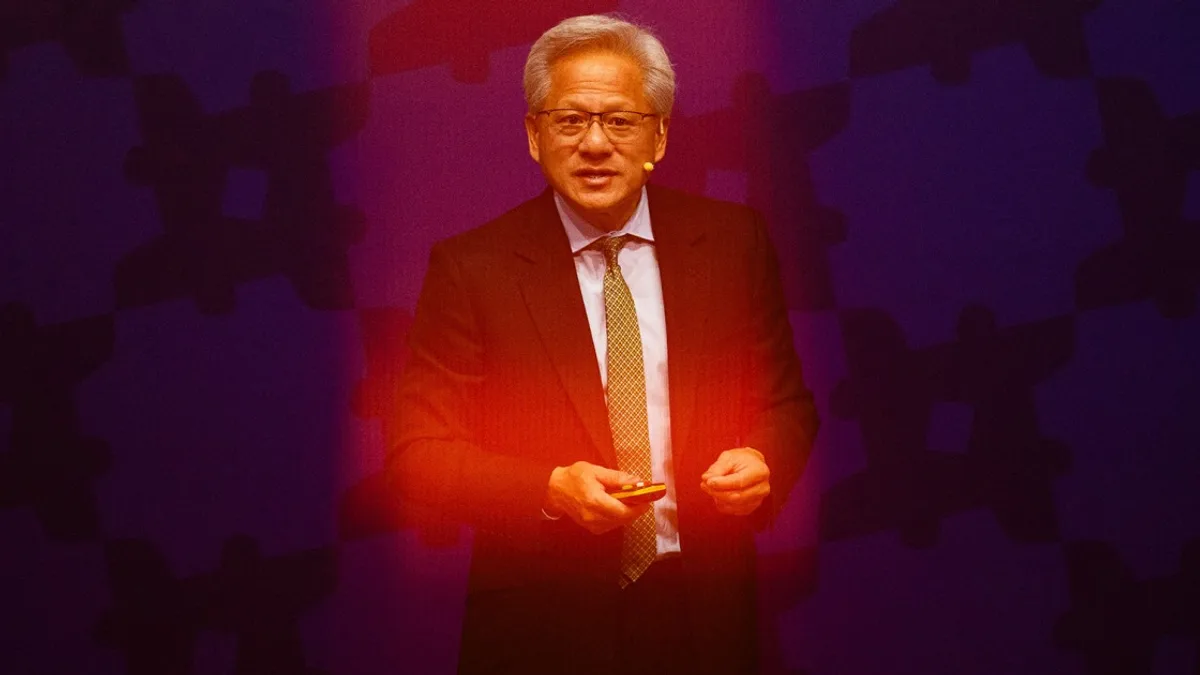
Nvidia CEO Jensen Huang arrived in Taipei on Wednesday evening. On Thursday he met TSMC Chair C.C. Wei and several of Nvidia’s major clients in artificial intelligence and server systems.
The visit lands amid intense activity in the chip market after Trump’s statement on a 14-billion-dollar arms package for Taiwan. It signals that the relationship between Washington, Taipei and Beijing in chip manufacturing has entered a new phase, one that mixes economic and security interests.
For Serbia, which is trying to attract high-value-added manufacturing in technology, the Taiwan case is an example of how a small player with a strategic technological asset can position itself in global geopolitics. Serbia’s tech industry exported 4.1 billion euros worth of software services in 2025 and aims to take a mid-tier position in the global value chain. The file is actively handled by the Serbian Chamber of Commerce.
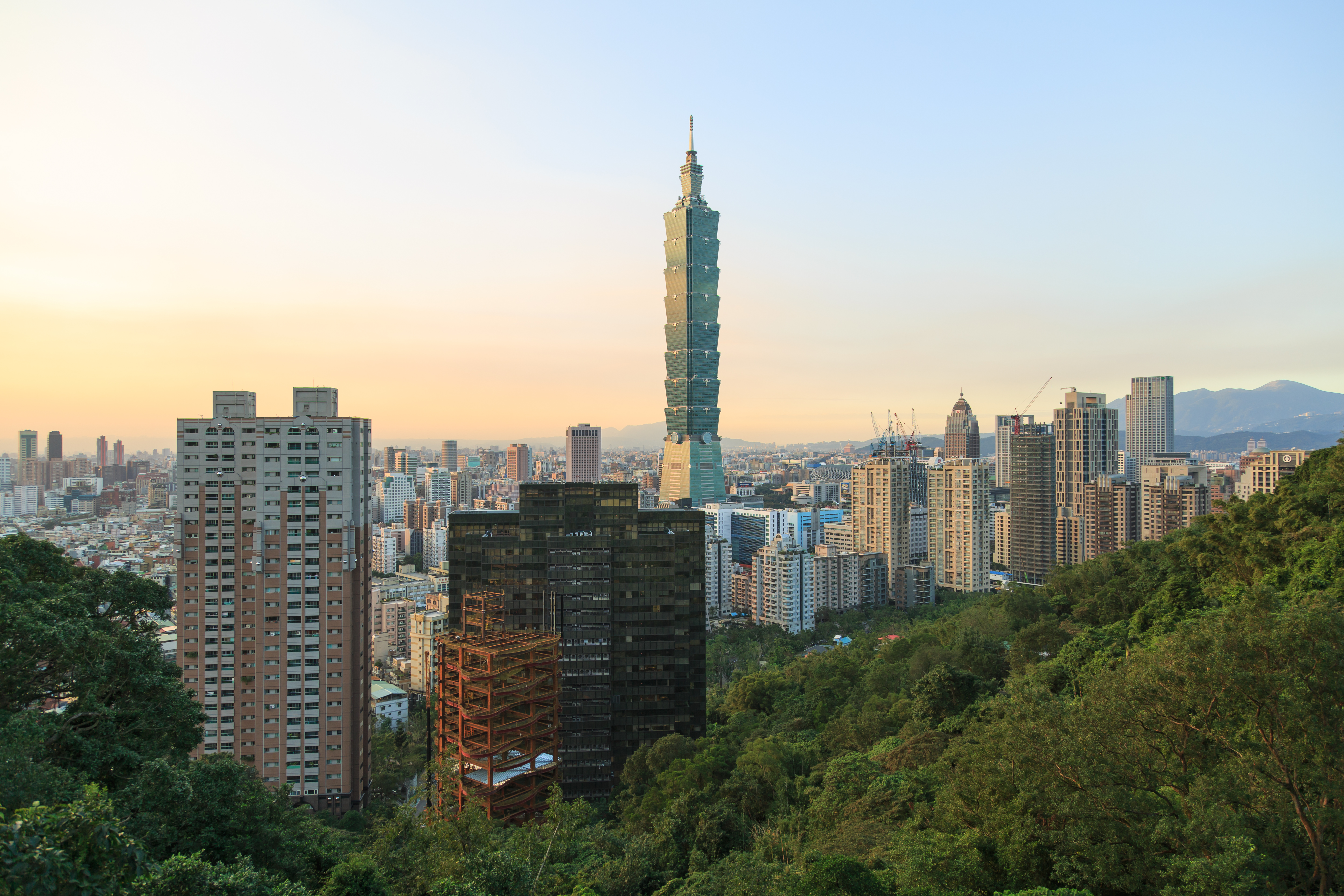
Taipei on Tuesday recorded its first May temperature of 38.3 degrees Celsius, a record for the month in the island’s meteorological history. Local authorities, citing the heatwave, urged residents to limit outdoor activity during the hottest hours, particularly in the Daan and Xinyi districts. The climate anomaly comes alongside political turbulence linked to Beijing’s military activity in the Taiwan Strait, where May saw an increase in transits by Chinese vessels.
Trump’s arms-package decision as the central point
President Donald Trump said in May, after his summit with Chinese President Xi Jinping, that he had discussed the 14-billion-dollar arms package for Taiwan with Xi but would decide on it “in the coming days”. Six hundred and thirty days after his November 2024 election win, the decision remains among the most consequential for the US-China relationship.
The package covers three components:
- Anti-aircraft defence systems
- Anti-ship missiles
- Coastal-protection radar systems
Beijing, through its Foreign Ministry, expressed “strong condemnation” of even the suggestion of the package, citing the one-China principle. The United States officially acknowledges that principle but with interpretations that differ from Beijing’s. Taipei, through President Lai Ching-te, urged Washington to “approve and deliver the package swiftly”, calling the end-of-June deadline “critical for deterrence”.
Tech war and economic interdependence
Nvidia, whose market capitalisation reached 4.2 trillion dollars in May 2026, manufactures nearly all of its most advanced H200 and Blackwell-2 chips at TSMC plants in Taiwan. The economic dependence means that any escalation in the Taiwan Strait is simultaneously a global tech-market crisis. Trump’s camp, Beijing’s economic advisers and European companies are aware of this.
Huang’s Wednesday evening visit and his Thursday morning meeting with Wei at the TSMC headquarters in Hsinchu were, according to Nvidia’s briefing, “a dialogue on capacity for the next generation of AI infrastructure”.
Through the Commissioner for the Digital Transition, who met Taiwan’s Minister for Digital Affairs in May, Brussels is tracking the situation as a market risk. Particularly for European car-makers, telecoms and industrial firms that also depend on TSMC production. European Council President Antonio Costa said on Tuesday:
European technological sovereignty is a serious issue and will be a subject of debate at the European Council in June.
Do you think Trump’s decision on the 14-billion-dollar package will land before or after the G20 summit in October, and would a delay reduce the risk of escalation in the Taiwan Strait?