Homeland Movement Seeks Croat Electoral Unit in Bosnia, Cites Herceg-Bosna
Ivan Penava's declaration demands a separate electoral unit for Croats in the Federation of Bosnia, citing a return to the pre-Washington Agreement order if no deal is reached. Plenkovic distanced himself.

- Croatia's Homeland Movement has presented a declaration seeking a separate Croat electoral unit in the Federation of Bosnia and Herzegovina.
- Party leader Ivan Penava said Croats in that unit would elect their representatives without the influence of voters from other peoples.
- The declaration cites a possible return to the pre-Washington Agreement order, meaning the revival of Herceg-Bosna, if no agreement is reached.
- Prime Minister Andrej Plenkovic distanced himself, saying the government had not been informed.
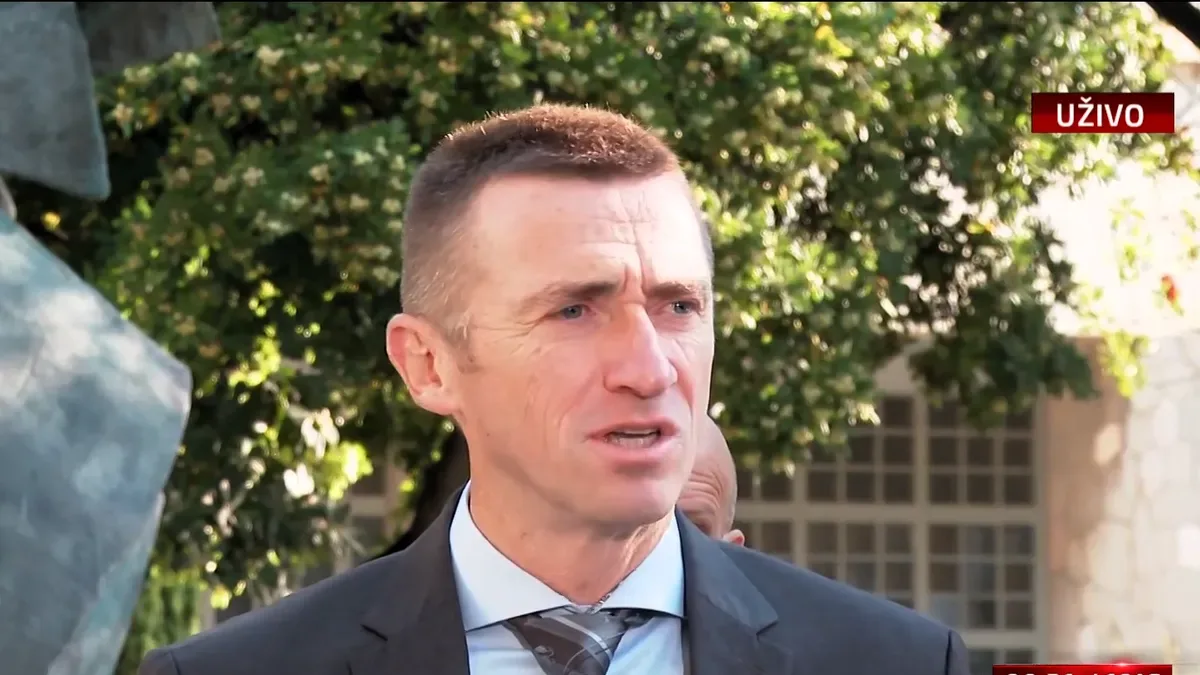
The Homeland Movement, a coalition partner in Croatia’s government, has opened a question that touches both Belgrade and the wider region. At a conference in Zagreb, party leader Ivan Penava presented a declaration demanding the creation of a separate Croat electoral unit in the Federation of Bosnia and Herzegovina. Under the proposal, Croats in Bosnia would elect their own representatives without the influence of voters from other peoples, while a possible final solution cited a return to the order that existed before the 1994 Washington Agreement, namely the revival of Herceg-Bosna.
For Serbia and its neighbours, this is no mere technical electoral matter. Any reopening of the question of territorial and ethnic units in Bosnia touches the delicate balance of the Dayton order, which Belgrade watches closely through the standing of Republika Srpska. Penava stressed that the proposed unit need not be territorially contiguous, meaning it would cover areas with a Croat majority regardless of whether they border one another.
What exactly does the declaration demand?
The declaration was addressed to the Croatian Parliament, the government of the Republic of Croatia and international institutions, and Penava framed its content as a defence of the electoral will of Croats as a constituent people in Bosnia. The key points he set out were:
- the creation of a separate Croat electoral unit in the Federation of Bosnia, where Croats would elect their representatives;
- an electoral mechanism in which voters from other peoples could not decide on Croat representatives;
- a unit that need not be territorially contiguous but would follow areas with a Croat majority;
- consideration of other solutions, including a return to the pre-Washington Agreement order, if no agreement is reached.
It was this last point that drew the sharpest reaction in Bosnia and Herzegovina, since the mention of Herceg-Bosna is read as calling into question the structure of the Federation established in 1994. Penava presented the declaration as a party programme document rather than the official position of the Croatian state, yet the simple fact that the Homeland Movement is part of the government gave the proposal added weight.
How did Prime Minister Plenkovic react?
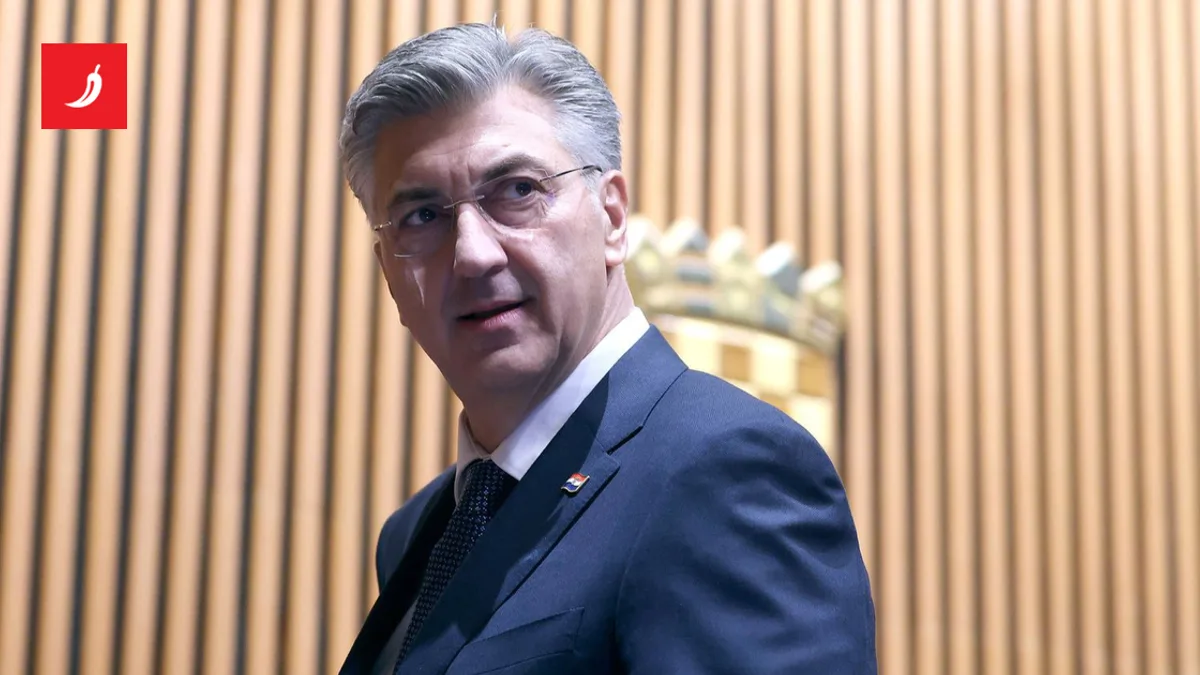
Prime Minister Andrej Plenkovic, whose cabinet includes the Homeland Movement as a coalition partner, quickly distanced himself from the document. The message from the top of government was that the party’s ministers and the government itself had not been familiar with the content of the declaration before it was presented to the public.
We were not informed.
With that short sentence Plenkovic sought to separate Zagreb’s official policy from the programme move of a coalition partner, at a moment when Croatia presents itself as a guarantor of stability and a European perspective for the region. For observers in Belgrade, the open question is how far the Homeland Movement will push this theme and whether it will become a point of friction within the Croatian government itself.
Do you think reopening the question of electoral units in Bosnia strengthens or undermines the stability of the region?