Massive Russian strike on Ukraine: at least 17 dead, building collapses in Dnipro
At least 17 people were killed and more than 100 wounded in the largest overnight missile and drone strike on Ukraine, with a residential block collapsing in Dnipro.

- At least 17 people were killed and more than 100 wounded in the overnight attack on June 2.
- A four-storey residential block collapsed in Dnipro, with a child among the dead.
- Russia launched 73 missiles and 656 drones, including eight hypersonic Zircons.
- Ukrainian defences shot down 40 missiles and 602 drones, with Kyiv as the main target.
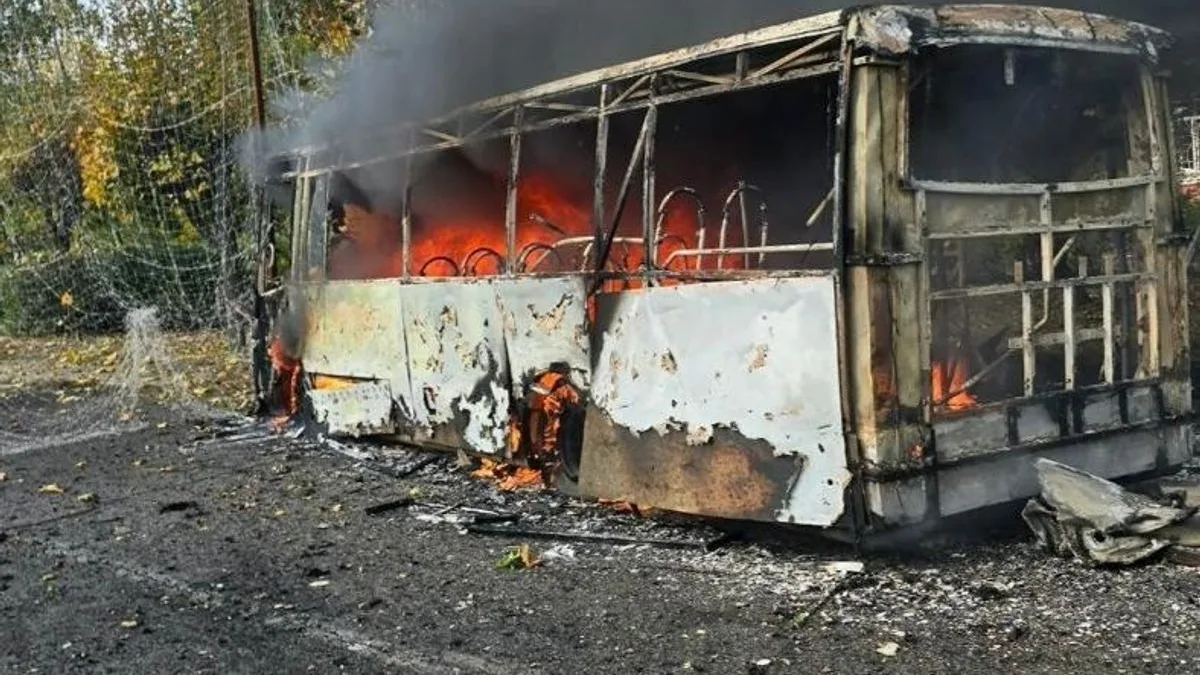
Ukrainian authorities said that at least seventeen people were killed and more than a hundred wounded in a combined missile and drone strike carried out overnight on June 2. The attack hit several cities at once, but the gravest scene unfolded in Dnipro, where a four-storey residential block collapsed and rescue crews spent hours pulling people from the rubble.
For a Serbian audience this is not a distant headline. The energy and security balance across Europe, the refugee routes and the gas price Serbia pays all depend directly on how long and how intensely the war in eastern Europe continues. Each new wave of this kind shifts the geopolitical reality in which Belgrade manoeuvres between Brussels and Moscow.
What exactly happened that night?
According to the Ukrainian side, Russia fired seventy three missiles and six hundred and fifty six drones in a single salvo. Air defences brought down forty missiles and six hundred and two drones, which means a significant share of the projectiles still found their targets. Among the weapons launched were eight hypersonic missiles of the Zircon type, which leave very little time to react because of their speed.
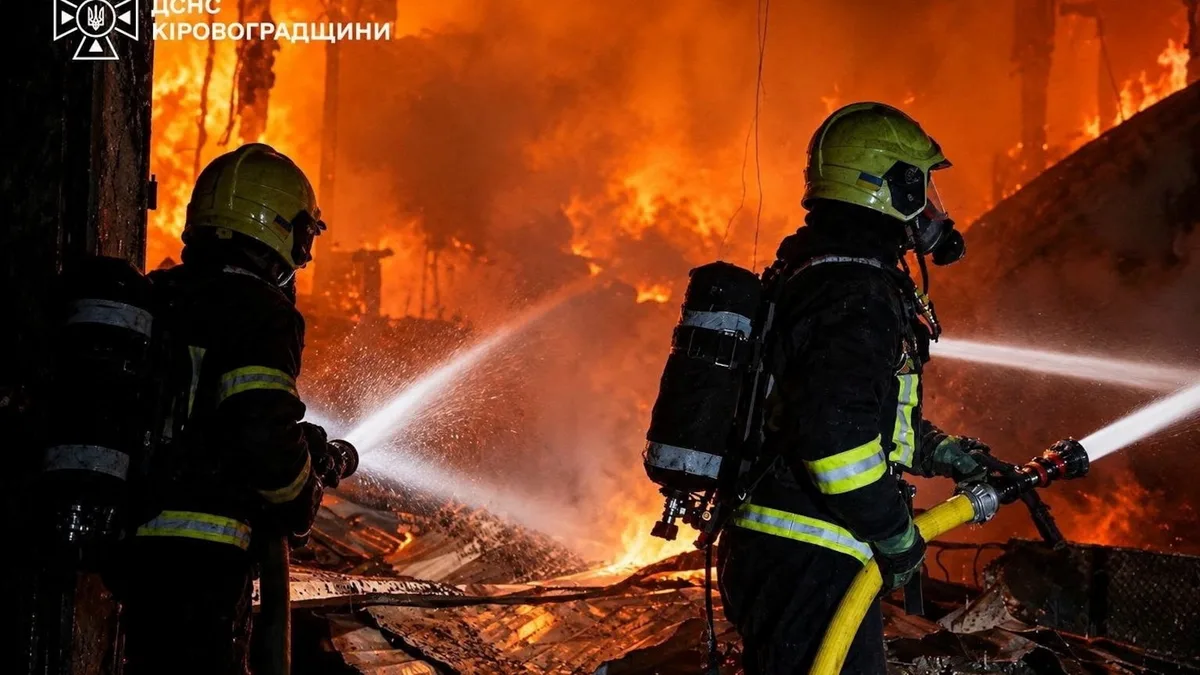
The main target was Kyiv, where explosions echoed for hours, but other cities were struck as well. In Dnipro the situation was the worst. The collapse of the four-storey block claimed several lives, and among the dead, according to local authorities, was a child. Firefighters and rescuers worked until morning to clear the concrete slabs.
- At least 17 killed across several cities
- More than 100 wounded
- 73 missiles and 656 drones launched
- 40 missiles and 602 drones intercepted
- Eight hypersonic Zircon missiles
The scale of this strike places it among the largest single attacks since the start of the war. The combination of a large number of drones, which exhaust the defences, and a smaller number of precise missiles, which then strike, follows a pattern that has been repeating for months.
How is Europe reacting and what does it mean for the region?
European institutions have long repeated that attacks on residential buildings and civilian infrastructure can have no military justification. The EU High Representative and member-state officials regularly announce additional measures within the sanctions regime against Moscow, while at the same time pressing for faster delivery of air defence systems to Kyiv.
Attacks on civilian sites and residential buildings represent a gross violation of international humanitarian law and cannot be justified by any military objective, runs the message repeated from European offices after every wave of this kind.
For Serbia, which keeps a diplomatic channel open to both Brussels and Moscow, every escalation means added pressure. The European perspective implies aligning foreign policy, while economic ties with Russia remain a reality that cannot be severed overnight. The Western Balkans follows these events through the prism of its own security calculations, because a prolonged war reshapes the priorities of the entire European enlargement policy.
A wave of attacks like the one from the night of June 2 is a reminder that no end to the conflict is in sight, despite occasional talk of negotiations. The open question is how many more nights like this the European continent can absorb before diplomacy moves off the dead point. And do you believe Serbia can stay on the sidelines in the long run while the war in eastern Europe deepens this way?