Thousands in Tirana Protest Kushner Resort
The largest demonstration so far, dubbed the Flamingo Revolution, gathered outside Edi Rama's office demanding a halt to the luxury resort backed by Donald Trump's son-in-law.

- Thousands took to the streets of Tirana in the largest protest yet against a resort backed by Jared Kushner, son-in-law of US President Donald Trump.
- The project, valued at roughly 5 billion euros, would put hotels in a protected stretch of coast that is home to flamingos, seals and sea turtles.
- Albania's special anti-corruption prosecutors have opened an investigation into the funds used to acquire and sell the land titles to investors.
- The movement is called the Flamingo Revolution, after the protected wetland on the future resort site.
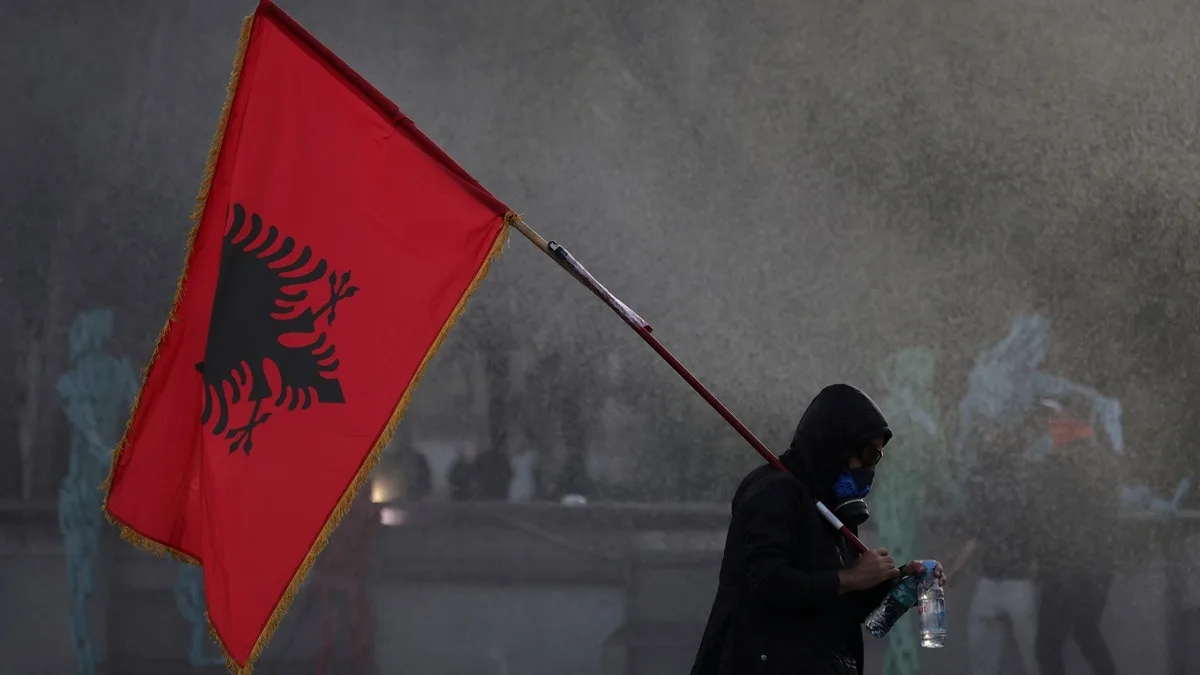
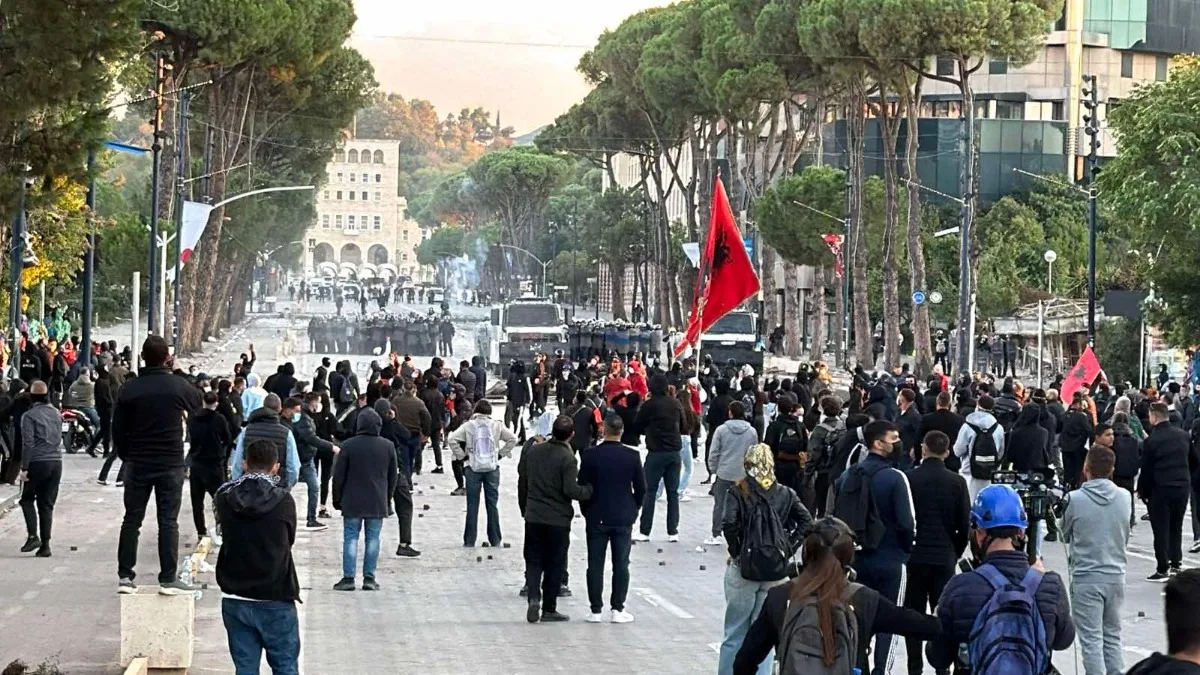
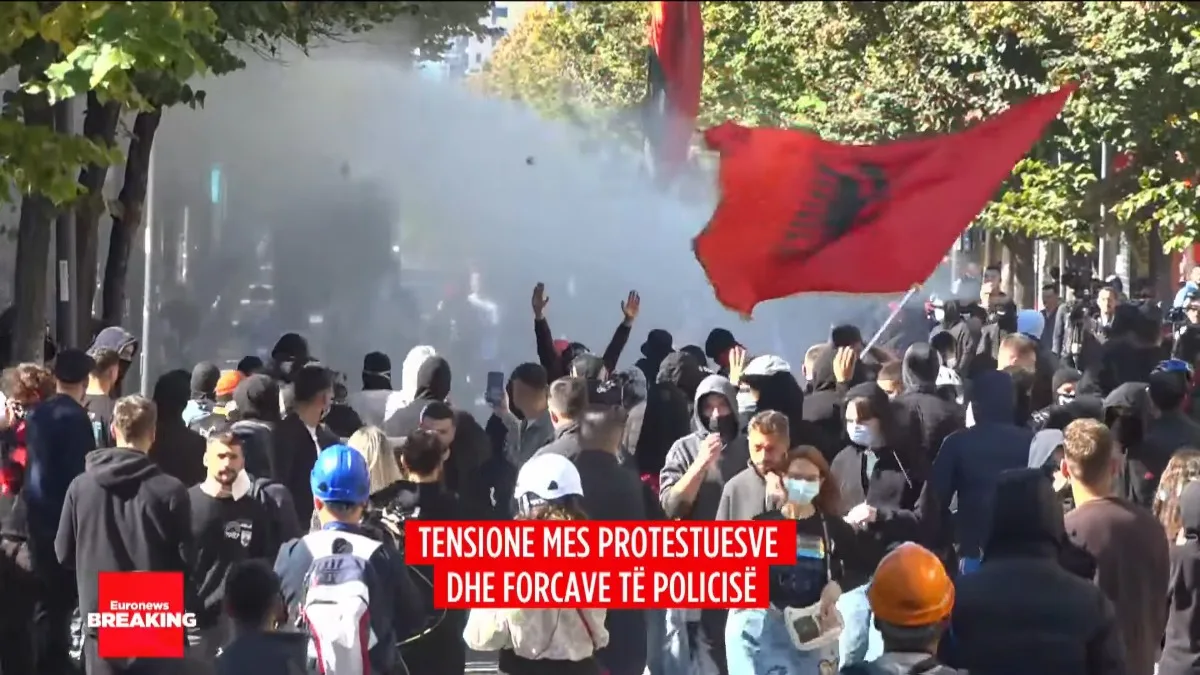
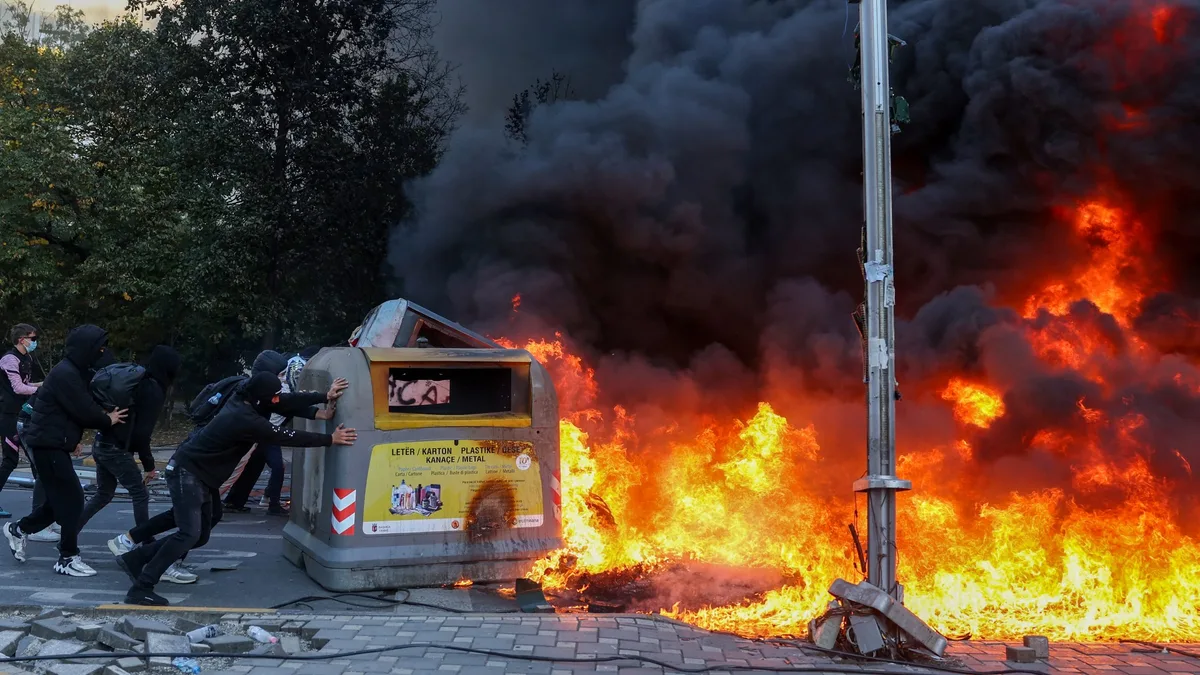
For a region that has spent years reading every sign of Washington’s favour, the scene in Tirana carries a blunt message: even where Donald Trump’s administration is the partner everyone wants, the street can stand in the way of a private venture tied to the president’s own family. Thousands of Albanians gathered outside Prime Minister Edi Rama’s office, in a column that stretched down the main boulevard, at a rally organisers called the Flamingo Revolution. It was the largest demonstration so far against the luxury resort financed by Jared Kushner.
Protesters carried banners declaring that Albania is not for sale, and one demonstrator summed up the mood in a few words: we want a new era, we want a better country. The rally stayed peaceful, but the size of the crowd and its location, right at the government’s doorstep, sent a signal Rama can hardly ignore heading into a new election season.
What exactly does the disputed project involve?
The resort, estimated at around 5 billion euros, plans hotels on the uninhabited island of Sazan and in the protected Vjosa-Narta coastline on Albania’s southern shore. This is one of the last large stretches of untouched Adriatic coast, a habitat for flamingos, the Mediterranean monk seal and sea turtles. It is that wetland that gave the movement its name, turning a protected bird into a symbol of resistance to paving over the shore.
To the Albanian government the project is a development opportunity, top-tier capital and tourism that would bind the country to American investors for the long term. For part of the public, though, it reopens an older question: who decides the fate of protected zones, and under what procedure is public land handed to a private investor. The fact that the president’s family stands behind the scheme has only sharpened the debate, since any criticism of the resort inevitably becomes a message aimed at Washington.
Why is the prosecution the turning point?
The legal dimension is what gives the dispute its weight. The Special Prosecution Against Corruption and Organised Crime has opened an investigation into the funds used to acquire and sell the land titles to investors. The probe targets not the idea of a resort but the way parcels inside a protected zone reached foreign buyers, shifting the issue from environmental activism to the lawfulness of administrative decisions.
For a country already negotiating European Union membership, this case is a test in front of Brussels. The rule of law and the fight against corruption are the chapters by which every candidate’s progress is measured, so how Albania’s prosecutors and courts handle a case that also touches the US presidential family will not go unnoticed in European capitals. The wider region is watching too, because similar arrangements, in which coastal land is ceded to powerful foreign partners, are not unknown elsewhere in the Balkans.
Rama has yet to announce any halt to the project, and the investors are sticking to their construction plan. The open question concerns the balance between foreign capital and protected nature: where, in your view, does the line run between developing the coast and preserving the last untouched shores of the Adriatic?