Paris 'Coalition of the Willing' Ramps Up Pressure on Moscow
Ahead of July 13, France and Britain gather at least 25 heads of state and government around Volodymyr Zelensky, with Russia's shadow fleet and Ukraine's new military reach at the heart of the Paris summit.

- The "Coalition of the Willing" summit is set for July 13 in Paris, with at least 25 heads of state and government.
- The coalition has grown to roughly 37 countries, led by France and Britain.
- The agenda covers Russia's "shadow fleet," Ukraine's new military capabilities, and mobilizing the defense industry.
- The goal is to renew pressure for a ceasefire and a return to the negotiating table.
For Serbia, a country negotiating European Union membership while still refusing to join the sanctions regime against Moscow, every new meeting of the “Coalition of the Willing” is also a fresh measure of its own European prospects. When at least 25 heads of state and government gather in Paris on July 13 around Ukrainian President Volodymyr Zelensky, Belgrade will read carefully the messages coming out of the Elysee Palace, because that same room indirectly defines how much the transatlantic bond will demand of candidate countries on the road to Brussels.
Announcing the gathering, the Elysee stressed that the battlefield dynamic is “increasingly favorable for Ukraine,” which diplomatic channels across European capitals read as an attempt to convert a more advantageous moment into concrete pressure on the Kremlin. The coalition, jointly led by France and Britain, has meanwhile grown to around 37 countries, outgrowing the original core of Europe’s most willing governments and becoming a broader format organized around a single aim: that Ukraine reach the negotiating table from a position of strength rather than exhaustion.
What is on the table at the Elysee
According to the Paris briefings, three themes will define this meeting. The first is the fight against Russia’s so-called “shadow fleet,” the network of tankers Moscow uses to skirt oil-export sanctions and finance its war. The second is Ukraine’s new military capabilities, including the reach with which Kyiv strikes ever deeper into Russian territory. The third is mobilizing Europe’s defense industry, turning political pledges into contracts and production lines capable of sustaining the front over the long term.
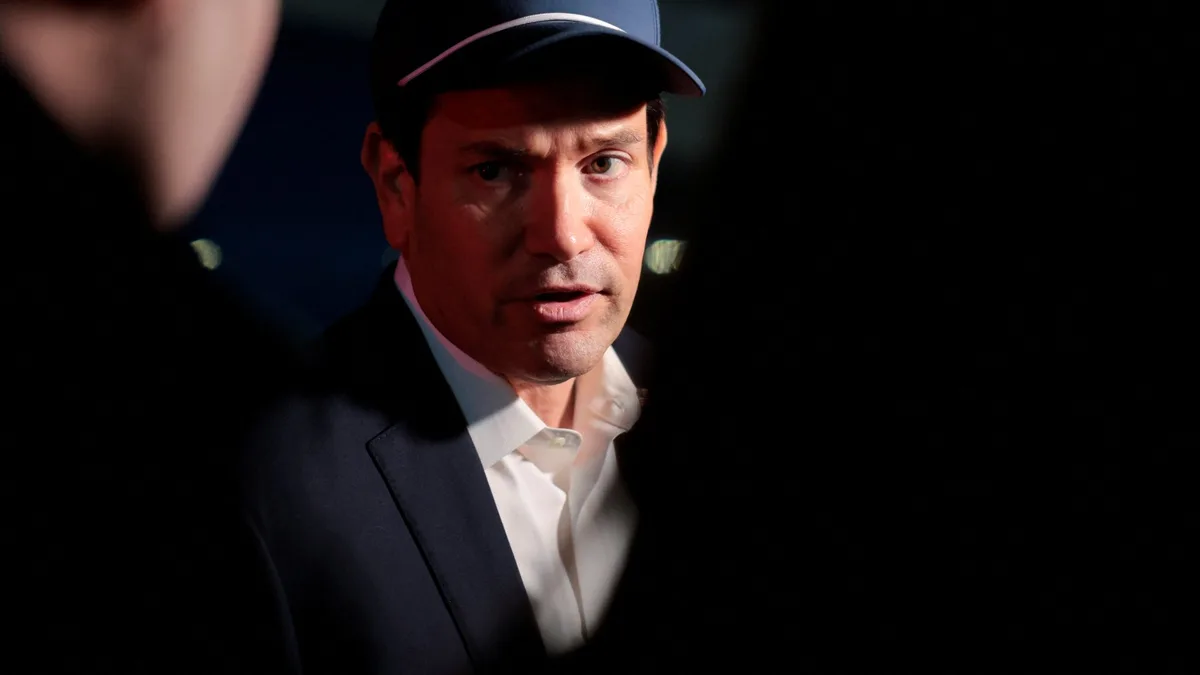
Zelensky has confirmed his attendance, and NATO Secretary General Mark Rutte, European Commission President Ursula von der Leyen, and European Council President Antonio Costa are also expected in Paris. Their presence shows that Paris does not treat this format as a passing consultation but as a fusion of the military, institutional, and economic levers of European policy toward a war entering yet another uncertain phase. Multilateralism here is not an abstraction: it is measured by the number of chairs at the table and by how concrete the commitments the leaders are willing to make turn out to be.
What does the summit mean for Serbia and the region?
For the region, the message from Paris cuts two ways. On one hand, a united European front toward Moscow further narrows the room for the policy of sitting on two chairs that Belgrade has cultivated for years between Brussels and the Kremlin. On the other, any movement toward a ceasefire raises the question of what the continent’s postwar security architecture will look like and how much space it will leave for countries not yet part of the European family.
For Serbia, whose European prospect remains alive but slowed, summits like this are a reminder that geopolitical reality is no longer measured by declarations but by a readiness to stand behind concrete steps. Belgrade officially holds to a course of neutrality, yet every meeting of the “Coalition of the Willing” raises the bar of expectations Brussels sets before candidates.
Will Serbia watch this Paris summit as distant news, or as another test of its own European seriousness?