Serbia to Cover 60 Percent of Kupres Water Project
On day two of his tour through Republika Srpska and Serb municipalities in Bosnia, Vucic announced in Novo Selo near Kupres that Serbia covers 60 percent of a two million euro water system.

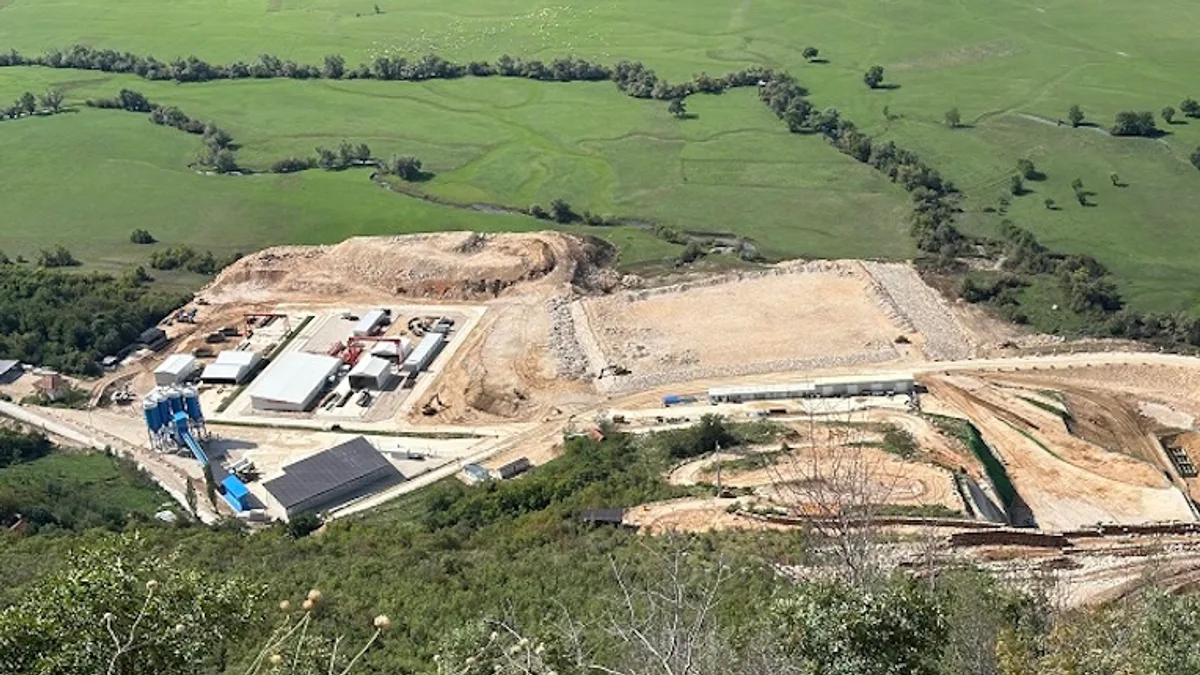
Aleksandar Vucic announced today, on the second day of a three day visit to Republika Srpska and Serb returnee municipalities in the Federation of Bosnia and Herzegovina, how the bill for the village water system in Novo Selo near Kupres will be split: Serbia will pay 60 percent, Republika Srpska 40 percent. The project is worth around two million euros and is being built for a community that numbers only a few hundred people over the winter. For Belgrade this is not a small municipal matter but another line in a budget that, according to figures the president gave a day earlier, has so far reached 142 million euros invested in helping Serbs in Republika Srpska and Bosnia and Herzegovina.
The day began in the municipality of Sipovo, at Janjske Otoke, continued in the village of Vodice, and ended on the Kupres plateau. Serbia’s president was accompanied by SNSD leader Milorad Dodik. Vucic also announced that he would visit his father’s renovated house the same day in the village of Cipuljic near Bugojno, a part of the Federation of Bosnia and Herzegovina where almost no Serb population remains today.
A Water System for About Three Hundred People
Around 300 Serbs currently live on Kupres Field, a number that grows during the summer months as people from Serbia and other parts of Republika Srpska return to their family properties. The water system has so far been the main reason the return never turned into permanent settlement, so the announced cost split is not just an infrastructure story but an attempt to turn a seasonal presence into a population that stays year round.
Residents welcomed the president with bread and salt. In Novo Selo he visited the Church of the Holy Mother of God, then laid wreaths with Dodik at the Monument to the Reapers Killed in 1941, at the monument to victims of Ustasha terror on the Kupres plateau, and at the monument to those who died in the most recent war.
“Thank you for preserving the Serbian name and surname. Thank you for keeping alive the memory of our fallen and those who suffered, our martyrs and heroes. We will come back to see you again, and even without that we will always be at your service. I want you to know that Serbia loves you endlessly, and do not doubt Serbia’s love for Republika Srpska and for our people who live here,” Vucic told the gathered residents.
Speaking about the events of 1995, Serbia’s president described the route the Croatian army took after Operation Storm.
“Everything from here was burned down, part of the Croatian army moved up toward Sipovo and Janj, they cleared out Mrkonjic Grad, and committed great crimes there. That is life, so we learn to be smarter in the future and to defend ourselves, but also so we know that we attack no one,” Vucic said.
He added that the suffering in that area had been so great that residents still do not take off their mourning black.
The Ilic Family in Vodice
Before Kupres, in the village of Vodice near Sipovo, the president visited the family of Darko Ilic, who has five children and one grandchild and lives off farming, livestock, beekeeping and gathering medicinal herbs. The host raised the problem of the local road. Vucic immediately called the contractor by phone and promised the stretch would be paved within 15 to 20 days.
That visit carries a statistical weight not obvious at first glance. Vucic said earlier in the day that the village had recently seen its first birth in many years, which carries a different meaning than an ordinary demographic note in municipalities from which the population was expelled three decades ago.
Why Is the Drvar Model Repeating in Kupres?
We wrote about this before: a few weeks ago Belgrade set aside 140,000 euros for the Jumko plant in Drvar, with the idea of opening jobs for women in a returnee community. That pattern is now spreading. In talks with Sipovo municipality head Milan Kovac, the president openly proposed the same solution there, estimating that one plant could employ fifty to seventy women, and asked local leaders what mattered more to them, a factory or a road to the monastery. The municipality head answered that the production plant mattered more.
The logic is the same in all three cases: Serbia pays the larger share of the infrastructure or the plant, the local authorities cover the rest along with permits, and the result is measured by the number of families who stay. The Kupres water system is the most expensive of these steps so far, and the first in which the investment split has been stated in percentages.
Inflation, Vouchers and a Response to Critics
In Novo Selo, Vucic also gave a flash estimate for last month, putting inflation in Serbia at 1.9 percent, and calling it good news for citizens. He said that by 8:30 that morning, 16,000 vouchers had already been distributed, and that the economic results he cites are not his own assessment but come from the International Monetary Fund, the World Bank and the European Union. According to the IMF’s official forecast, he added, Serbia should be the fastest growing economy in Europe next year.
Asked to comment on a piece in Sarajevo’s Slobodna Bosna, which described his address from Krajina as spreading talk of peace while boasting of economic success, he answered briefly that he would talk about peace and others could talk about war.
“But the economy is the key to everything: economy, economy, work and work, and that is the best way for Serbia to win,” Vucic said during the visit.
Dodik gave the visit his own meaning, noting that no Serbian president had ever set foot on that ground before.
“Thanks to Vucic, who has a feeling for us, Serbia stands behind us and that always matters to us. Maybe getting the money is not the most important thing, what matters is that he is here today,” Dodik said in Novo Selo.
The tour concludes tomorrow, August 4, in Mrkonjic Grad, where Serbia and Republika Srpska will mark the Day of Remembrance for those killed and expelled in the Croatian military and police operation “Storm.” Vucic said he would also speak there about ideas of a “polycentric” and “confederal” Serbdom that, he claims, come from outside. That speech, not the percentages in a water project, is what will be read line by line in Zagreb, Sarajevo and Brussels.