Turkey Stalls Ships, Seeks Black Sea Moratorium
Turkey has slowed Dardanelles transit permits and asked Moscow and Kyiv for a moratorium on attacks against commercial shipping, as Zelensky vows to continue strikes on Russian logistics.

Turkish Foreign Minister Hakan Fidan called on August 8 for a Black Sea moratorium, a mechanism meant to stop attacks on commercial vessels. The request landed the same day Serbian President Aleksandar Vucic, on the second day of Ukrainian President Volodymyr Zelensky’s visit, backed Ukraine’s bid for European Union membership. The two events look unrelated only until you check the map. The Black Sea basin is one of the world’s most important grain export corridors, and wheat prices hit a two year high in July 2026, driven precisely by the strikes on ships and ports there.
Fidan, speaking to the state news agency Anadolu, described how the target of the war at sea has shifted from military assets to anything that floats.
At first, ports and warships were attacked. Now all commercial vessels are being attacked without distinction. We need to create a mechanism that would let us declare a moratorium.
The Turkish minister added that the Ukrainian side already has a proposal on the table and that Ankara has passed it on to Moscow. “The Ukrainians already had an appropriate proposal. We forwarded it to our Russian colleagues and we are waiting for a response,” Fidan said.
The Dardanelles as leverage
While waiting for an answer from Moscow, Turkey has reached for the only instrument it holds without anyone else’s consent: control of the strait. The Directorate General of Coastal Safety has notified several ships bound for the Russian port of Novorossiysk, a key export hub for oil and grain, that it is currently not issuing transit permits through the Dardanelles for such voyages, or that it needs more time to review the requests. No official explanation was given. Some shipowners were told the restriction also applies to vessels headed for Ukrainian ports.
The measure stops short of a full blockade. Ships bound for Bulgarian and Turkish ports were still sailing north through the Dardanelles as of 1pm local time on August 8. But any slowdown at that chokepoint immediately reshuffles the math for oil trade, already strained by reduced flow through the Strait of Hormuz.
Turkey’s Foreign Ministry issued a statement on August 4, after drone attacks on two Turkish owned ships left crew members injured, among them Turkish nationals.
We reiterate our call on all relevant parties, first and foremost the warring sides, to urgently implement concrete measures that ensure the safety of navigation in the Black Sea.
The ministry also warned that further escalation would carry multiple negative consequences, including for food security.
Why is Ankara reacting only now?
Because the war at sea has reached the Turkish coast. The Turkish cargo ship Nadezhda was struck by a drone on August 3. A Turkish fishing boat was hit near occupied Crimea, killing one crew member and injuring four others. Ukrainian strikes have also hit ships some fifty miles off Turkey’s northern coast, in other words in waters Ankara regards as its own backyard.
The numbers explain the scale. Since the start of Ukraine’s operation on July 6, aimed at Russia’s shadow fleet, 218 ships have been hit, 134 of them in the Sea of Azov and 84 in the Black Sea, according to Ukraine’s Unmanned Systems Forces. Russia has retaliated with strikes on civilian freighters near Odesa, mostly foreign flagged vessels carrying grain and fertilizer.
Odesa, the night before the request
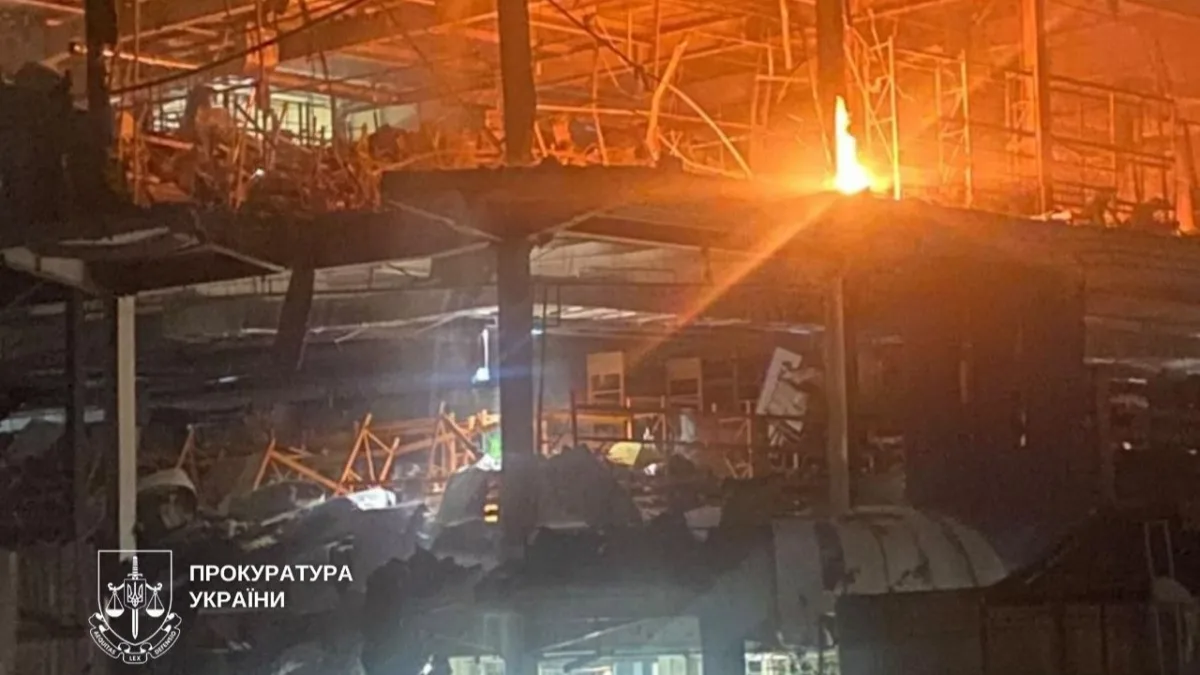
On the night of August 9, Russian missiles struck Odesa again. Serhii Lysak, head of the city’s military administration, said residential buildings and infrastructure were damaged across several districts, with at least eight people injured. “We are establishing the details. Do not neglect your safety. Take care of yourselves and your loved ones,” Lysak wrote on Telegram. The Chornomorets football stadium in central Odesa had been damaged in an earlier strike, in which one person was injured.
An earlier attempt at a Black Sea truce has already collapsed once. In March 2025, in the early rounds of talks, Washington claimed a deal had been reached. Kyiv accepted it, while Moscow made its consent conditional on lifting Western sanctions against Russian food producers and exporters, a condition that dissolved the proposal within days. Ankara is now attempting the same thing, but with a weaker hand and stronger leverage, because this time it is the one holding the key to the strait.
Zelensky said on August 8 that Ukrainian forces would keep striking Russian logistics even after the forty day campaign concludes. Moscow’s response to the moratorium proposal, according to Fidan, has not arrived yet.