Missile Strike on Pechenihy Kills 10 in Kharkiv Region
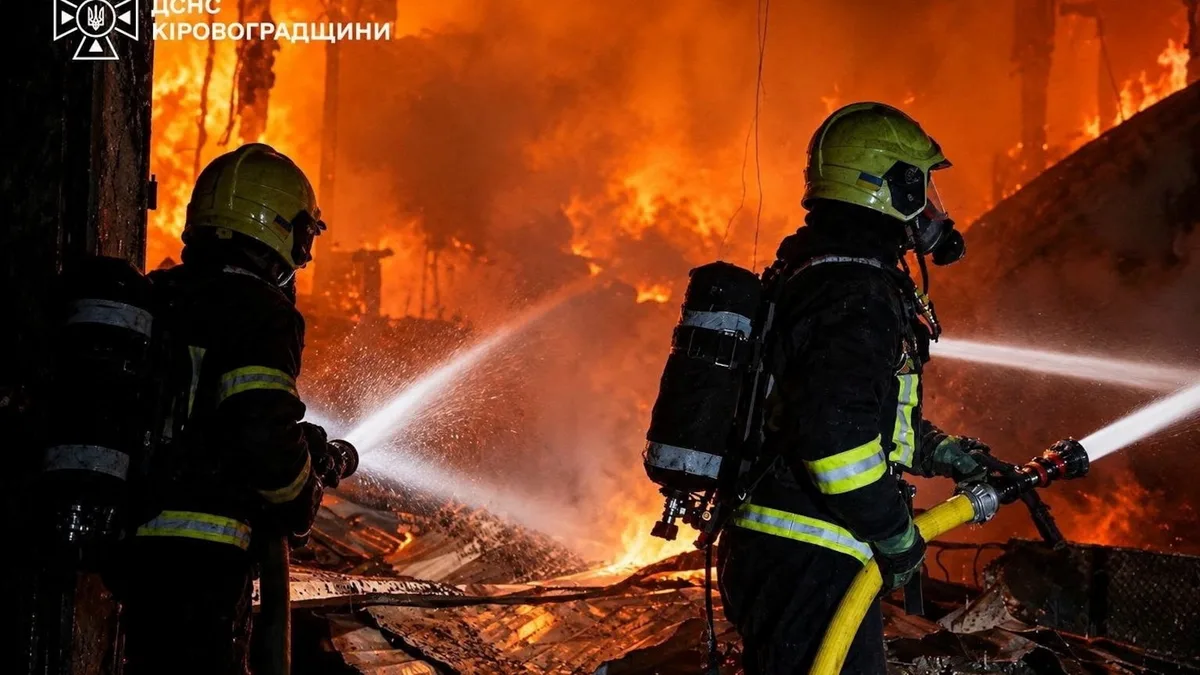
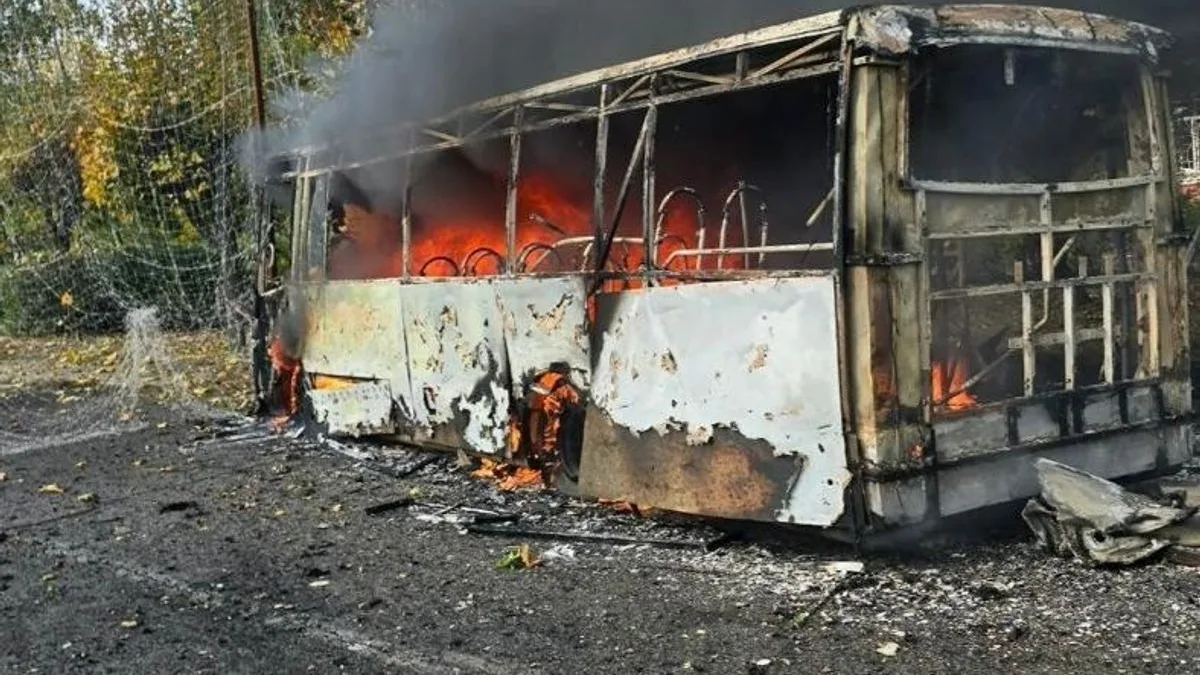
A missile strike on Pechenihy in Ukraine's Kharkiv region killed 10 people and injured eight, according to preliminary figures, damaging homes, a post office, a shop and a cafe.

Russian forces carried out a missile strike on Tuesday, August 18, on Pechenihy, a village in Ukraine’s Kharkiv region located about 40 kilometers from the border with Russia, killing 10 people according to preliminary figures and injuring eight others. The figures were released by Oleh Syniehubov, head of the Kharkiv Regional Military Administration, on his Telegram channel. For Belgrade, which follows the war both through energy prices and through a diplomatic channel that has produced no results for months, the strike is fresh confirmation that the center of gravity in the conflict has shifted from the front line to towns and the infrastructure behind them.
“According to preliminary information, 10 people have been killed. Another eight people have been injured,” Syniehubov wrote.
What Was Hit in Pechenihy
According to the same statement, the strike damaged:
- 10 private homes
- a cafe
- a post office
- a shop
- at least seven vehicles
Syniehubov also reported casualties that same day in Izium, a city in the same region, where five people were injured, including a nine year old boy. The Kharkiv region, part of which is under Russian control, has been a target of continual strikes since the invasion began in February 2022.
Same Night, Opposite Direction
The attack on Pechenihy came after a night in which Ukrainian drones flew toward Moscow and its surrounding area. Sources differ on the numbers: Euronews reports that a total of 620 drones were launched toward the Moscow region, while Al Jazeera puts the figure at more than 620, in what appeared to be the largest such attack in several years. Russian state news agency TASS described it as the largest drone attack on Moscow in two years.
Moscow Mayor Sergei Sobyanin said 180 of the 620 drones headed for the capital were shot down over the wider metropolitan area between Monday evening and 5 a.m. local time, with another 17 aircraft downed later on approach. Moscow region Governor Andrei Vorobyov said on Telegram that three people were injured, including a ten year old girl, and that the “most serious damage” was recorded in Pavlovsky Posad, where a house burned down. A Wildberries warehouse east of Moscow suffered only minor damage to a wall from debris, the company said.
Ukraine’s air force said it shot down or jammed 111 of 147 enemy drones that same night.
Why Are Long Range Strikes Intensifying?
Because almost nothing is moving on the ground. Fighting along a front line roughly 1,250 kilometers long has effectively stalled, drones and robotic systems keep soldiers pinned down, and negotiations remain frozen. Both sides are investing in range rather than breakthroughs, and civilian casualties are climbing back to levels not seen since the first months of the war.
The numbers bear this out. According to United Nations data, 437 civilians were killed in Ukraine in July 2026, the deadliest month since May 2022 and 70 percent more than the same month a year earlier. The UN has recorded close to 17,000 civilian deaths since the invasion began. Russian authorities, for their part, reported that 79 civilians were killed in Ukrainian attacks in July, more than the month before.
Energy Infrastructure as a Constant Target
The strike on the Kharkiv region came a day after Ukraine’s state energy company Naftogaz said its facilities had been attacked 13 times in a single week, bringing the total number of attacks since January 2026 to nearly 300. One facility, the company said, was hit multiple times that week, with serious damage to equipment and production capacity, though no employees were injured. DTEK, the largest private investor in Ukraine’s energy sector, said a Russian strike caused a fire at one of its mines, killing a 52 year old man.
The war has long been fought over power grids as well, with Moscow calculating that a winter without light, heating and water will break Ukraine’s will to resist. Ukrainian officials openly say Moscow is “weaponizing winter” and expect the campaign to continue into the coming season.
The consequences are visible in the Russian capital too. Organizers canceled the large military music festival Spasskaya Tower, scheduled for Friday on Red Square, saying it had been postponed to next year for reasons beyond their control. In May, authorities significantly scaled back Victory Day celebrations for the first time in nearly two decades, and Russia’s Ministry of Defense announced there would be no military hardware in the parade, citing fears of long range Ukrainian drones.