Sarajevo Reopens Trusina War Crimes Case Against Alispago
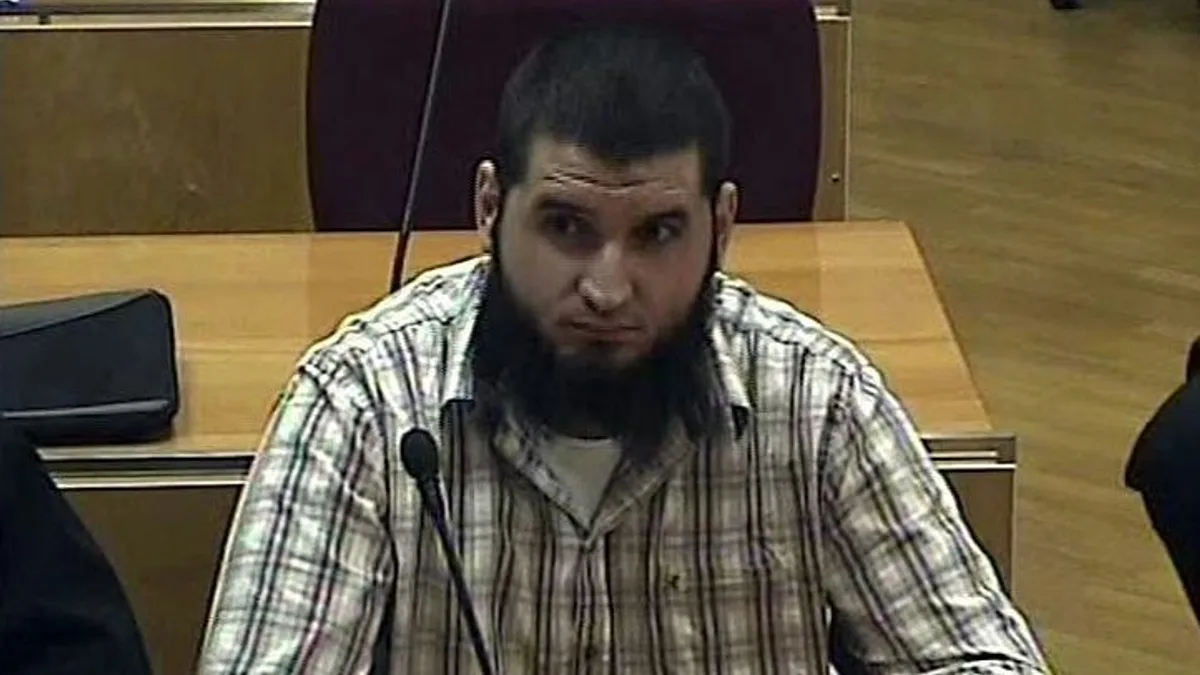
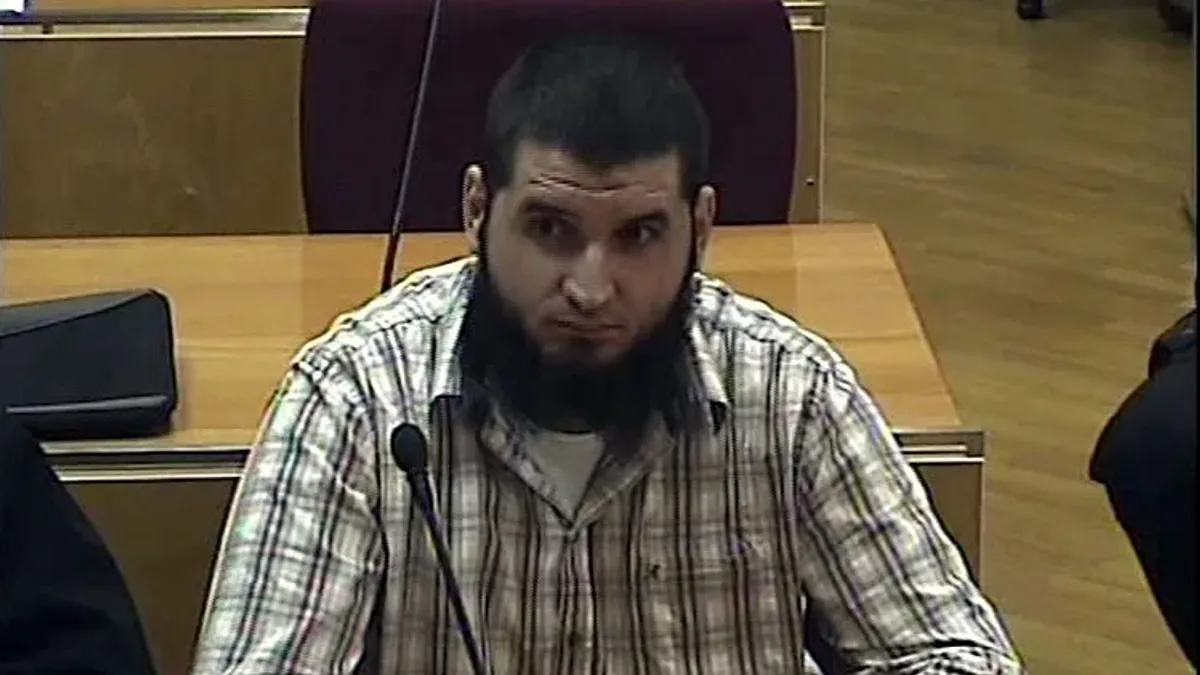
The Court of Bosnia and Herzegovina has resumed the trial of former commander Zulfikar Alispago after a twelve year pause, over the 1993 killing of 22 Croats in the village of Trusina near Konjic.

On Friday, September 11, the Court of Bosnia and Herzegovina resumed, after a twelve year pause, the trial of Zulfikar Alispago, known as Zuka, the former commander of the Zulfikar special unit of the Army of Bosnia and Herzegovina, over the killing of 22 Croats in the village of Trusina near Konjic in 1993. Prosecuting the war crimes committed during the 1990s across the former Yugoslavia remains one of the conditions Brussels sets for the countries of the region on their path to the European Union, so the outcome of the Sarajevo trial is also being watched in Belgrade, whose own European path depends in part on regional judicial cooperation and on the willingness to prosecute war crimes regardless of the nationality of victims or perpetrators.
On April 16, 1993, members of the Zulfikar unit killed 18 Croatian civilians and four members of the Croatian Defense Council (HVO) who had already surrendered. That same day, a mirror image crime took place nearby in Ahmici near Vitez, where HVO members killed 116 Bosniaks, a detail that shows how deeply that period of the war in central Bosnia was marked by crimes committed by both sides against each other, in a small area and within a short span of time.
The Prosecutor’s Office of Bosnia and Herzegovina brought the original indictment against Alispago and other members of the unit in 2010. Alispago is charged under command responsibility, since, according to the indictment, he failed to act against subordinates after the killings of civilians and surrendered soldiers were carried out in Trusina. His case was separated from the joint trial in 2014 because of his health, while proceedings against the other defendants continued.
At the first hearing of the reopened trial, prosecutor Ljubo Badnjar read out the indictment and announced that he would seek to prove Alispago had actual control over members of the unit at the time of the killings. The defense dismissed the charges as unfounded and argued that the prosecution’s evidence had been obtained unlawfully. Alispago again cited health problems and memory difficulties, but the Court of Bosnia and Herzegovina rejected his request for a new assessment of his fitness to follow the trial.
While the case against Alispago stood still for twelve years, the court had already handed down final verdicts against his wartime associates in the original, joint trial. Nihad Bojadzic, who served as Alispago’s deputy, was sentenced to 15 years in prison for war crimes against the civilian population and prisoners of war. Nedzad Hodzic was sentenced to 12 years and Mensur Memic to 10 years, both for crimes against captured HVO members. Edin Dzeko was sentenced to 13 years in prison, while Rasema Handanovic, who admitted her role in the crime and became a cooperating witness for the prosecution, was sentenced to five and a half years. Dzevad Salcin and Senad Hakalovic were acquitted in the same proceedings.
Trusina has therefore already been partly prosecuted for years, with a series of final verdicts that establish a hierarchy of responsibility within the unit, while the question of the commander’s own responsibility remained open until this Friday. The continuation of the Alispago trial has been scheduled for October 2, when the court is set to rule on further evidence regarding the extent of his actual control over the unit at the time of the crime.
For a region negotiating with Brussels at the same time, the Trusina case stands as an example of how long proceedings over crimes from the 1990s can drag on when a defendant’s health is used as grounds for delay, an issue that has surfaced in a similar form in some cases before Serbian courts as well.