Bosnia's Belgrade Embassy Stops Passport and Visa Requests
From October 2 the consular section suspends visas, travel documents and temporary residence. The embassy blames Konakovic; the statement carries no reply from Sarajevo.

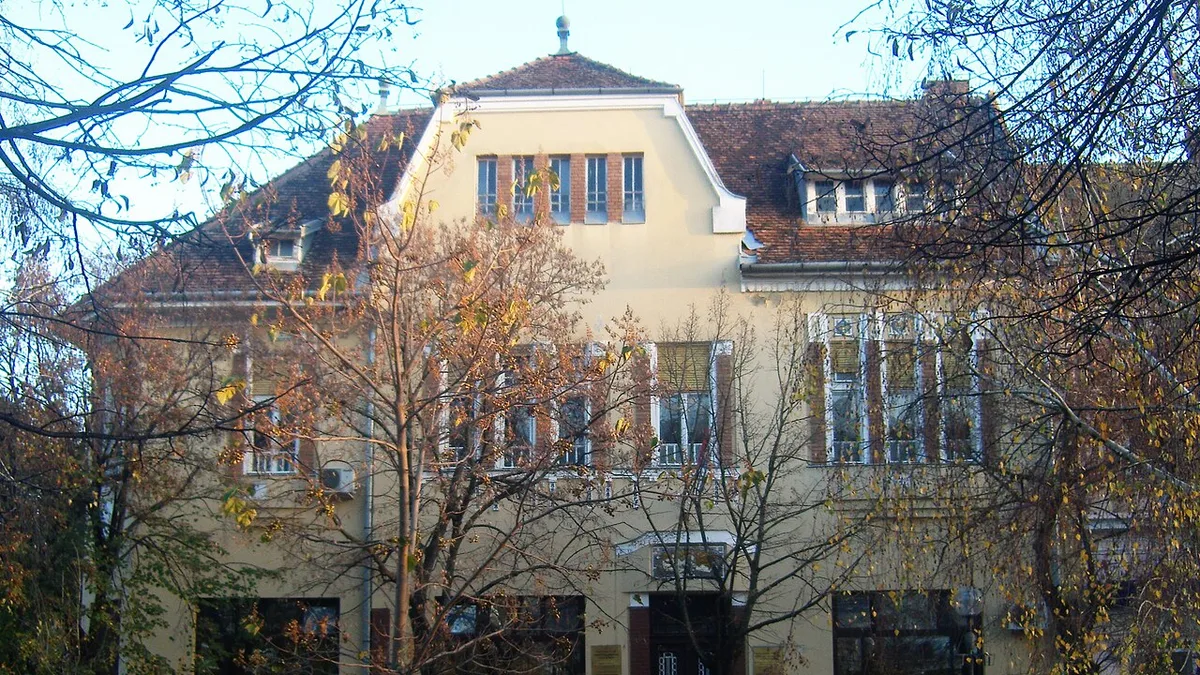
The consular section of the Embassy of Bosnia and Herzegovina in Belgrade has not accepted applications for visas, travel documents or temporary residence since Friday, October 2, 2026. The embassy puts the blame on Bosnia’s Foreign Minister Elmedin Konakovic, so a dispute between Sarajevo and its mission in the Serbian capital has moved from political statements to the counters where documents are submitted.
Which services are suspended and why?
Three kinds of applications are affected: visas for foreigners, travel documents for Bosnian citizens and temporary residence permits for foreigners. The embassy gives the halt in biometric data collection as the reason. The first secretary was called to consultations in Sarajevo, and the embassy describes him as the only remaining civil servant in the consular section authorized to do that work.
The embassy announced the suspension in these words:
We inform the public that from October 2, 2026, the Embassy of Bosnia and Herzegovina in Belgrade cannot accept applications for visas for foreign nationals, applications for travel documents for citizens of Bosnia and Herzegovina, or applications for temporary residence permits for foreign nationals
The same statement goes on to say:
For that reason the consular section will not be able to carry out these tasks until the first secretary returns from “consultations” in Sarajevo
No return date for the first secretary has been given.
What does the embassy claim about the minister?
According to the embassy, Konakovic summoned only staff of Serb nationality to the ministry headquarters in Sarajevo, for consultations that, it says, are not provided for in any law or bylaw. The mission calls the move politically motivated and discriminatory, and the statement also says:
For the first time since the civil war in Bosnia and Herzegovina, a senior Bosniak official of the joint institutions of Bosnia and Herzegovina has segregated civil servants on a national basis and summoned them as a group to a meeting, thereby singling them out, upsetting them and violating their human dignity
That is the embassy’s own assessment. The portal N1 BiH points out that the claims of unlawful and discriminatory conduct are not backed by a court ruling or any other competent body, and that the available statement contains no response from Bosnia’s Ministry of Foreign Affairs to the accusations.
Which projects are at risk?
The embassy warns that the halt hits the economy inside Bosnia itself. It says most visa applications are filed in Belgrade because of strategic projects that the Government of Republika Srpska and the Government of the Federation of Bosnia and Herzegovina have declared projects of general interest:
The largest number of visa applications was received at the Consular Section of the Embassy of Bosnia and Herzegovina in Belgrade for the implementation of strategic projects, which the Government of Republika Srpska and the Government of the Federation of Bosnia and Herzegovina have declared projects of general interest by their decisions
As examples of endangered work, the embassy names projects of the companies Autoputevi Republike Srpske and JP Autoceste FBiH, along with energy projects and other activities that depend on foreign workers. Those workers apply for visas and residence permits at the Belgrade embassy. That assessment of possible consequences also comes from the embassy, not from an independent check.
How did the dispute begin?
In early September Konakovic publicly announced that, in response to events in Serbia after the death of the convicted war criminal Ratko Mladic, he would seek to withdraw those Belgrade embassy staff whose recall falls within his authority. He explained at the time that a minister cannot recall the ambassador or consuls, because they are appointed by the Presidency of Bosnia and Herzegovina.
The embassy now claims that summoning staff to consultations is precisely what stopped the work of the only official with biometric authority. Until the first secretary returns from Sarajevo, applications for visas, travel documents and temporary residence in Belgrade stay unprocessed, and the embassy statement does not mention any response from Bosnia’s Ministry of Foreign Affairs to these claims.