Konakovic Sends 15 Letters to Washington Over Dodik
Elmedin Konakovic sent letters on October 12 to Rubio, Bessent, Blanche and six congressional committees, also seeking a review of lobbying paid for with Republika Srpska funds.
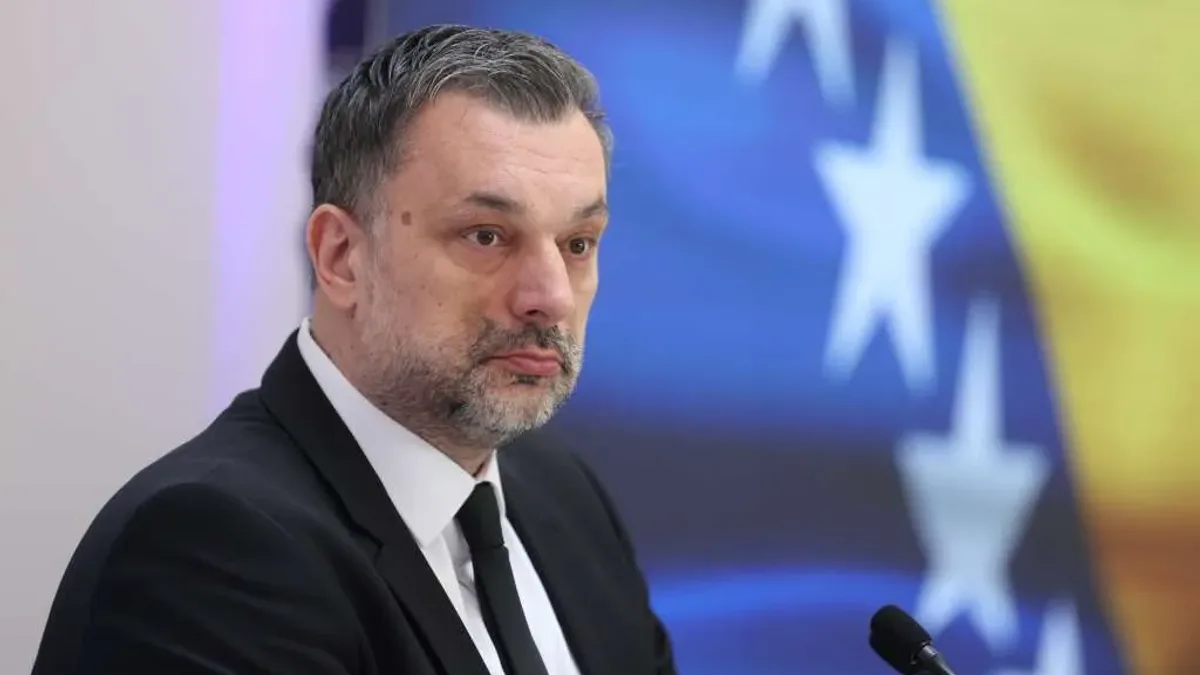
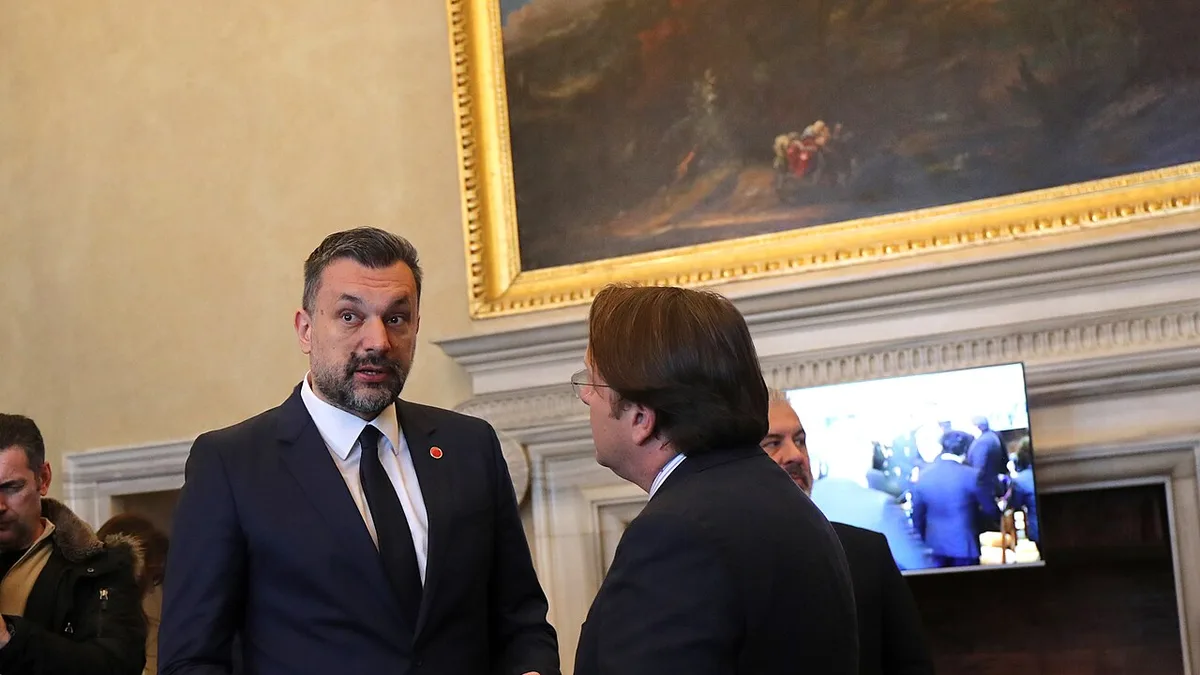
Bosnia and Herzegovina’s Foreign Minister Elmedin Konakovic sent a total of 15 letters to US officials on October 12, 2026, and on October 13 the Financial Times reported that they urge the US Treasury to reconsider sanctions on Milorad Dodik. The letters arrive two days after Dodik announced on October 10 that Republika Srpska authorities want to revive a plan for a gas pipeline through Serbia that would carry only Russian gas, so the Washington correspondence on lobbying also touches Serb-held territory.
Who received Konakovic’s letters in Washington?
According to the available information, the letters went to three addresses in the executive branch: Secretary of State Marco Rubio, Treasury Secretary Scott Bessent and Todd Blanche of the Justice Department. The other twelve recipients are the chairs and ranking members of six congressional committees:
- in the Senate, Chuck Grassley and Richard Durbin, James Risch and Jeanne Shaheen, Tim Scott and Elizabeth Warren
- in the House of Representatives, Jim Jordan and Jamie Raskin, Brian Mast and Gregory Meeks, French Hill and Maxine Waters
Each letter came with the Constitutional Court of Bosnia and Herzegovina’s decision No. U-10/26. The Financial Times says the court issued the decision in September.
What exactly did the Constitutional Court of Bosnia and Herzegovina decide?
The decision concerns a lobbying contract that the Republika Srpska Representative Office in Vienna signed with Dickens & Madson Canada Inc., headed by Ari Ben-Menashe. The court found that Republika Srpska’s public money may not finance lobbying with aims that contradict the Bosnian constitution. It barred further payments under that contract and under similar arrangements, and the obligation applies to government bodies, responsible officials and Srpska’s representative offices abroad.
The letter states that the aims of the engagement included Republika Srpska’s independence from Bosnia and Herzegovina. Konakovic therefore argues that the court’s decision draws a line between representing an entity’s interests abroad and spending public funds against the country’s constitutional order.
What is being asked of the Treasury and Justice departments?
The letter to Bessent asks the Treasury Department and its Office of Foreign Assets Control to re-examine whether Dodik and associated individuals meet the conditions for sanctions under Section 8335 of the 2026 defense budget law. The same letter recalls that a bipartisan group of lawmakers had already requested sanctions on Dodik and his associates under that section on March 27, 2026. According to the Financial Times, the Trump administration lifted Dodik’s sanctions last year.
The Justice Department, specifically its foreign agent registration unit, is asked to check the accuracy of filings for lobbying and advisory work paid for with Srpska’s money. The letters also mention Chris LaCivita and James Blair, associates of Donald Trump, who the New York Times reported received hundreds of thousands of dollars for advising a campaign in Republika Srpska, as well as the firm Continental Strategy LLC. The Financial Times, which saw the letter, says there is no evidence that Blair and LaCivita lobbied for Srpska’s independence.
Senator Jeanne Shaheen, the top Democrat on the Senate Foreign Relations Committee, raised the question during a visit to Bosnia and Herzegovina last week:
“Where do those millions of dollars come from? Why are they not being spent in the interest of the citizens of the RS and BiH?”
Why does Konakovic put gas in the same letter?
The letter to Rubio opens with a sentence in which Konakovic recalls the long American role in the country:
“Your Excellency, the United States has for more than three decades been a key strategic partner of Bosnia and Herzegovina.”
He then sets two gas supply routes against each other. He presents the Southern Gas Interconnection with Croatia as the practical expression of the commitment Bosnia and Herzegovina confirmed at the gas supply security summit in Washington on February 24, 2026, and Dodik’s October 10 announcement of a pipeline through Serbia as a route toward Russian dependence. Of the interconnection he says:
“It would diversify our supply routes, enable access to the global LNG market and create additional opportunities for American energy suppliers and companies.”
The Financial Times adds that Dodik, who is still barred from holding public office, remains the dominant figure in the ruling SNSD party, that he spoke with Vladimir Putin in Moscow in September, and that Republika Srpska has spent millions of dollars over the past two years on lobbyists and consultants close to Trump. The White House and the State Department did not respond to the paper’s request for comment. Reactions from Dodik or Republika Srpska officials to the letters were not known at the time of publication.