Strait of Hormuz: GFS Pride and Cape Dao Sink
Second and third ships sunk since the US-Iran war began: maritime sources point to a missile, the Revolutionary Guard to a mine, and all 21 crew of GFS Pride were rescued.
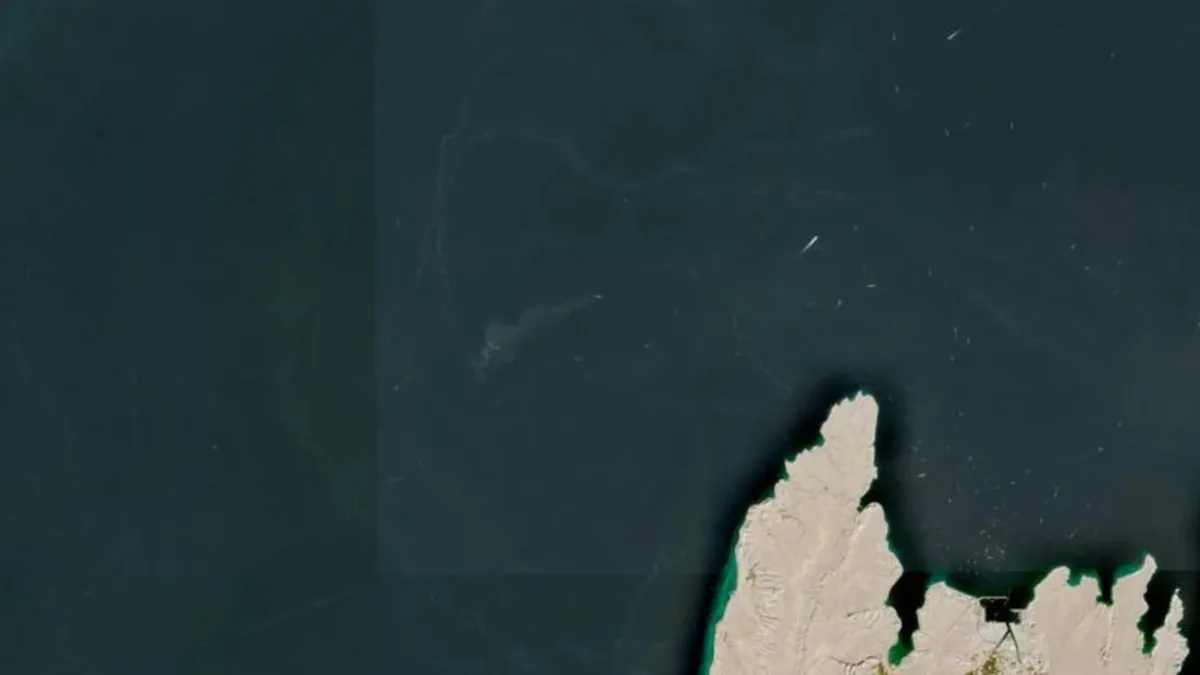
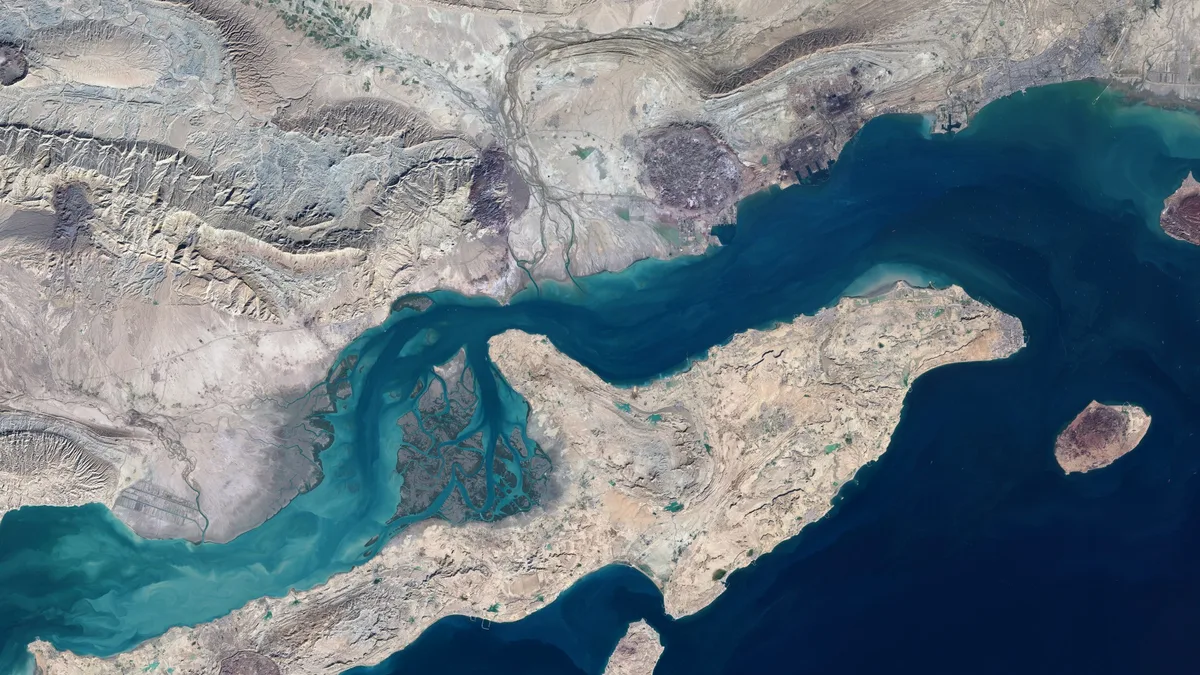
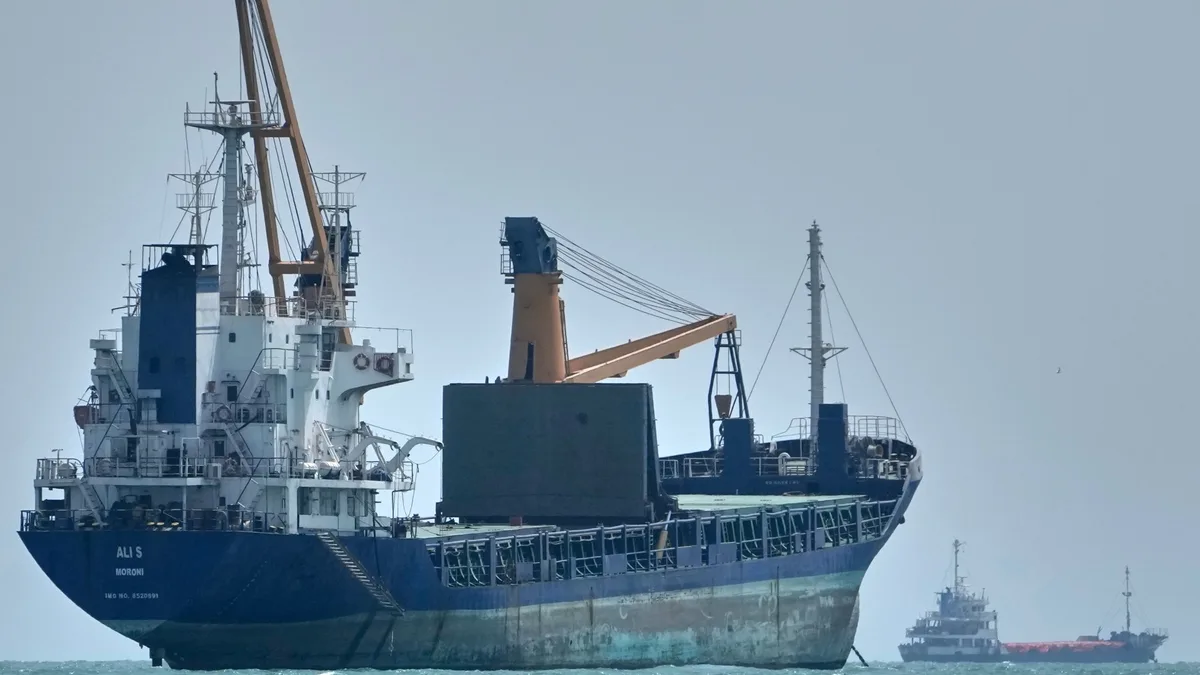
The Maritime and Port Authority of Singapore (MPA) confirmed on Wednesday, October 14, that the container ship GFS Pride sank in the Strait of Hormuz after a fire broke out on board. The same day, data from the International Maritime Organization (IMO) showed that the bulk carrier Cape Dao, hit by a projectile on September 23, had also sunk near the strait. According to Reuters’ analysis of that data, they are the second and third ships sunk since the war between the US and Iran began on February 28.
What is known about GFS Pride?
GFS Pride sails under the Singapore flag, was built in 2008 and carries 2,824 twenty-foot equivalent units (TEU). It is operated by GFS Ship Management FZE of the United Arab Emirates, part of the Global Feeder Shipping group, which is owned by Abu Dhabi Ports Group. Reuters could not obtain comment from either company.
The British maritime agency UKMTO reported on October 13 that a container ship in the strait had been hit by an unidentified projectile. The Singapore authority said GFS Pride transited the strait on Tuesday and confirmed the sinking a day later. Its statement said:
“GFS Pride sustained damage and a fire on board, and has since sunk. All 21 crew members have been safely evacuated. No injuries have been reported.”
None of the crew were Singapore nationals. Its sister ship GFS Giselle, also under the Singapore flag, was hit on October 14: her hull was damaged, but she reached a safe anchorage under her own power, and all 22 crew members are well.
The MPA expressed deep concern over the continuing attacks on merchant ships in the strait and described them this way:
“Such attacks are unprovoked, unjustified and constitute a violation of international law.”
What about the bulk carrier Cape Dao?
The ship, flagged in Antigua and Barbuda, was hit by a projectile on September 23. One crew member was killed at the time, and the rest were evacuated right after the strike, maritime sources say. It is operated by Peonies Shipmanagement FZE of the Emirates, which Reuters also could not immediately reach.
Sources differ on how the ship ended up on the seabed. IMO data cited by Reuters say it sank near the strait. According to the Vanguard maritime risk assessment group, cited by WorldCargo News, an earlier salvage attempt failed, and the ship was reportedly sinking by then.
Missile or mine?
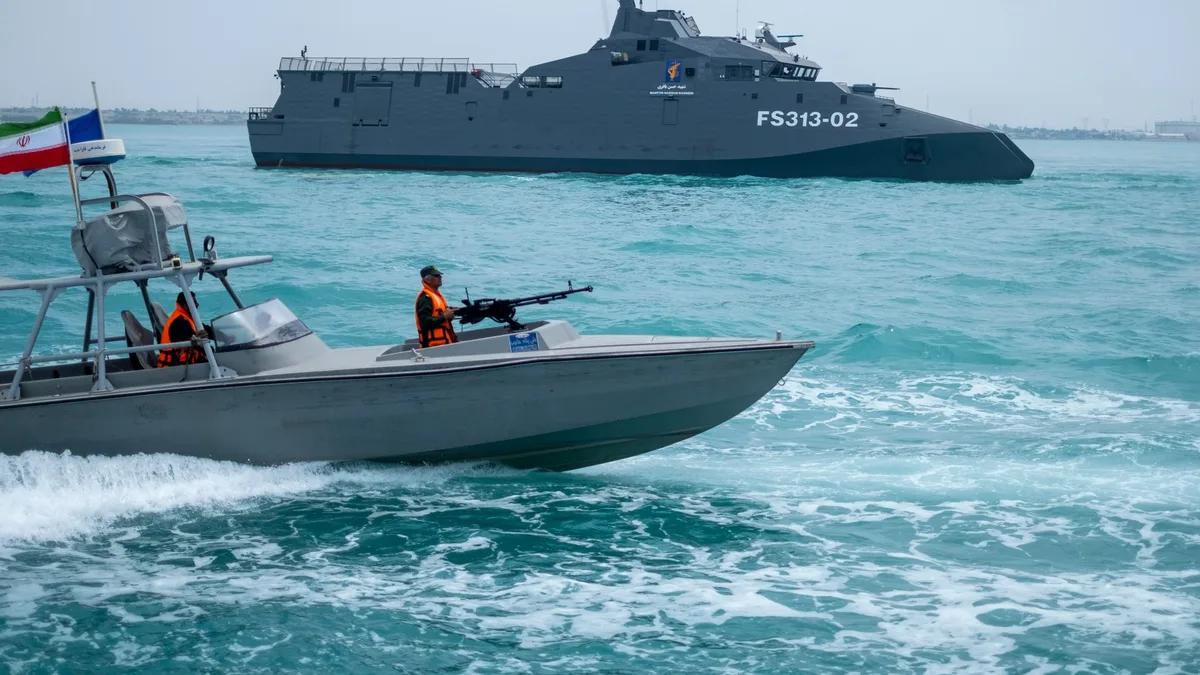
Maritime security sources quoted by Reuters and the Singapore authority describe a missile strike. Iran’s Revolutionary Guard claims otherwise: that GFS Pride hit a naval mine on an “unauthorized route”, that it carried more than 2,500 containers, and that the cargo included smuggled goods. None of these claims has been independently confirmed.
The maritime security firm Marisks found no independent evidence of a mine. Tehran has long described the route along the Omani coast, which the US backs, as dangerous. The National reports that the available evidence does not confirm that the southern route is mined.
The Revolutionary Guard warned local vessels and fishermen to stay away from floating containers, and Pakistan’s maritime authority issued the same warning. Social media footage, which The National describes as unverified, shows small boats gathering around cargo.
Attacks on ships are becoming more frequent
Attacks around the strait have grown more frequent over the past ten days, and Iran says it is stepping them up in response to the American blockade of its ports and tougher sanctions imposed last month. Before the war, roughly a fifth of the world’s oil and liquefied gas trade passed through the strait.
Two senior Iranian officials told Reuters that Tehran is changing its tactics against ships in order to keep oil prices high and to influence the US congressional elections on November 3. One of them warned that such ships “will not be safe anywhere, even outside the Strait of Hormuz”, and the other said a full closure of the waterway would soon follow.
Marisks said the attacks are not hitting only tankers:
“The threat is not limited to tankers, as container ships and bulk carriers have also suffered serious damage.”
The first ship sunk was the Maltese container ship Safeen Prestige, hit by a projectile in March, and in April the Revolutionary Guard attacked and seized the container ship MSC Francesca.
Traffic through the strait has nearly stopped. According to the Straits Daily Brief, citing the International Monetary Fund’s PortWatch data, only two ships passed on October 11, compared with 85 a day before the crisis. Brent crude stood at $104.11 a barrel at 09:10 UTC on October 15.