Torcida Chants: Lekic Surrenders, 23 Suspected in Split
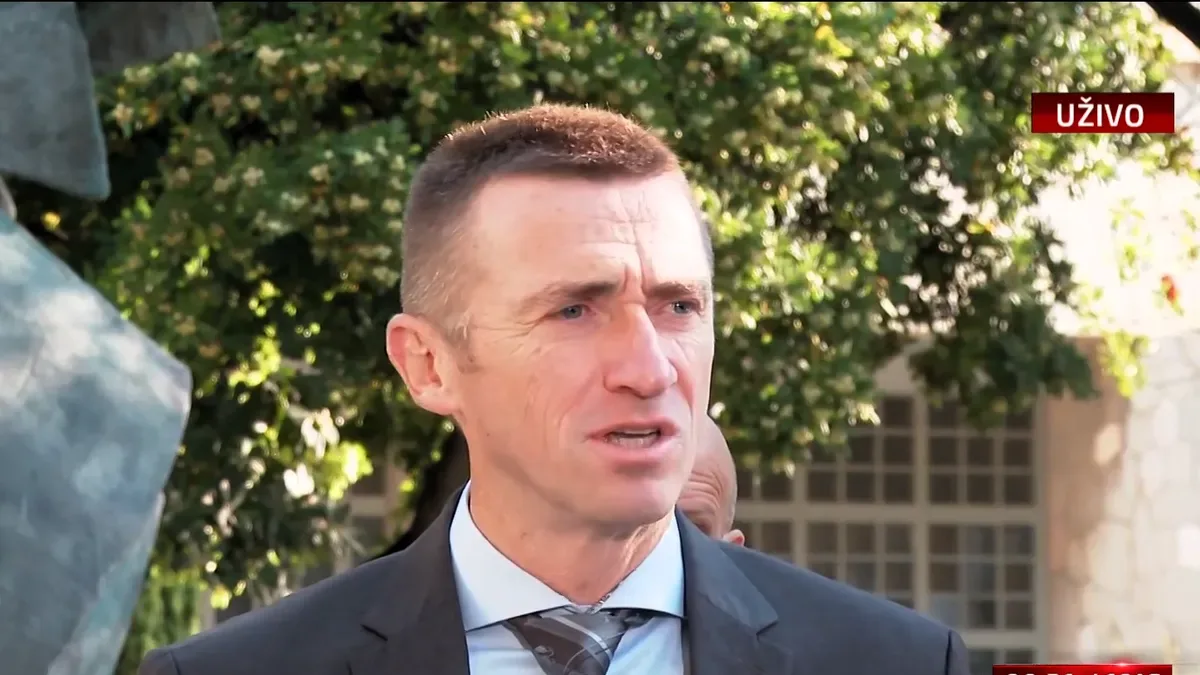
Police in Split have widened their suspicion to 23 people over chants in a Torcida march before the Hajduk-Ajax match. Stipe Lekic turned himself in at the Bilice prison.
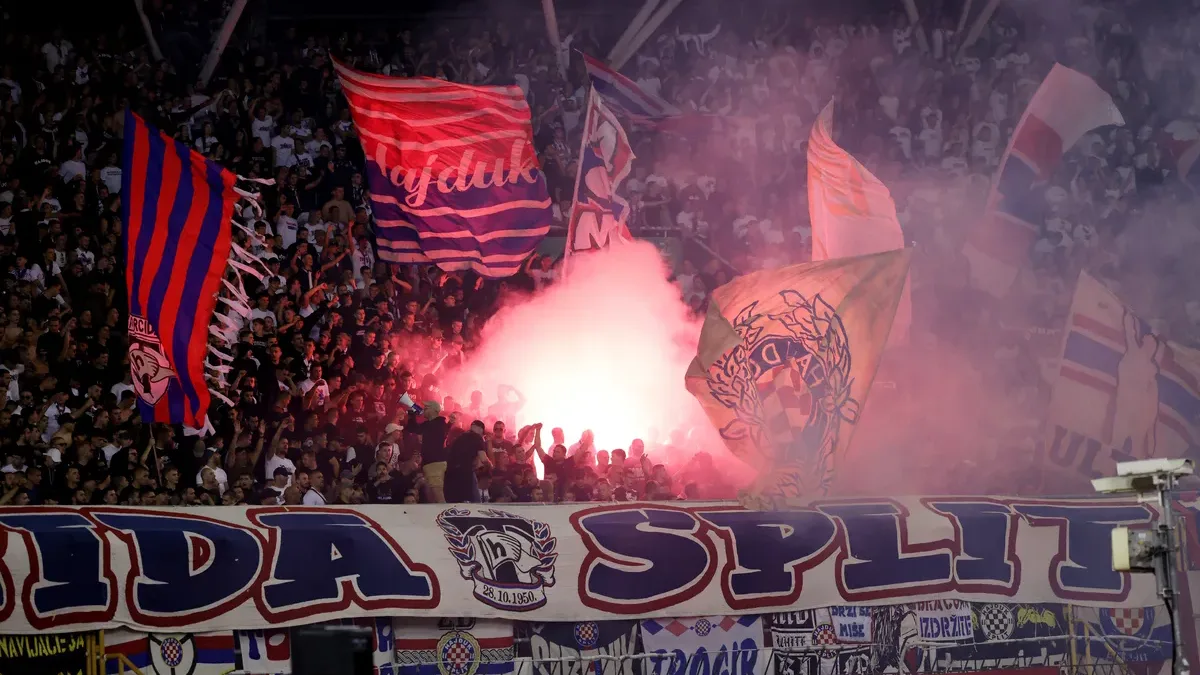
Police in Split said on Monday, October 19, that the number of people suspected of publicly inciting violence and hatred in a march of Torcida supporters has risen to 23. One of them is Stipe Lekic, a former Torcida secretary who was being sought and who turned himself in on Sunday evening at the Bilice prison. The case in neighboring Croatia began with chants in a column of Hajduk fans heading to the Poljud stadium on October 15, before a Conference League match against Ajax.
We reported earlier that police were looking for nine Torcida members, Lekic among them. Since then the circle of suspects has more than doubled.
What did police say about the 23 suspects?
The Split-Dalmatia Police Administration said reasonable suspicion has been established for a total of 23 people, and its account goes through the status of each of them. The first part of the statement reads:
“Police officers of the Split-Dalmatia Police Administration have so far established reasonable suspicion of the criminal offense of public incitement to violence and hatred for a total of 23 people.”
Police then sort the suspects by where they are now:
“Six people are in prison, one person was handed over last night to the detention supervisor, and one person is the subject of a criminal investigation and will be brought to the detention supervisor during the day.”
The statement ends with the sentence “The criminal investigation continues.”
Unlike the police text, N1 reports, citing the Hina agency, that another 15 people are being sought. The numbers add up: six in prison, one handed to the supervisor, one under criminal investigation and fifteen sought make 23. An earlier RTRS report on Lekic’s surrender spoke of seven people being sought, which was the situation before the circle of suspects was widened.
Index, citing RTL Danas, reports that one more person covered by the expanded criminal complaint was arrested on Monday morning. According to N1, the suspect under investigation is to be taken to the detention supervisor during the day and then brought before the state prosecutor’s office. If prosecutors seek pretrial detention, the on-duty investigating judge of the County Court in Split will decide.
How did Lekic surrender?
Lekic and L. V. from Omis turned themselves in on Sunday evening. A spokeswoman for the Split-Dalmatia Police Administration confirmed it: “I can confirm that two people who were being sought have surrendered at the prison in Split.”
RTRS reports that the two photographed themselves in front of the fence before entering the prison. A joint photo taken outside the Bilice prison was posted on the Facebook page “Father Street, Mother Torcida”: they hold a black T-shirt reading “Journalists are worms,” and Lekic poses with a raised fist.
Lekic is one of the most prominent Torcida members and was previously part of the leadership of the supporters’ group, including changes to its statute that opened the way for fans to own shares in sports clubs. According to Index, which cites RTRS, he was also one of the march’s leaders. In March this year, a municipal misdemeanor court in Split found him guilty of singing Ustasha songs at a Hajduk match against Slaven Belupo. RTRS says he was convicted then together with seven other fans.
What was heard in the march through Split?
According to RTRS and Index, chants of “Auschwitz, Auschwitz” and “Rise, Adolf” were heard in the column, and Adolf Hitler was mentioned. Fans also sang lyrics about burning Jews in concentration camps, along with a derogatory song about Anne Frank, the Jewish girl who died in a Nazi camp.
At the head of the march, a car carried a symbolic coffin marked “Ajax,” which the fans later smashed. Footage of the column drew numerous public reactions, after which police opened a criminal investigation.
What do the suspects face?
Croatian law sets a prison sentence of up to three years for publicly inciting violence and hatred. Organizing or leading a group to commit the offense carries six months to five years in prison. The suspects are accused of the offense, but guilt has not been established: the competent court will decide.