Britain sends Typhoon jets to Saudi Arabia against Houthis
Britain's Ministry of Defence says RAF jets will protect Saudi cities and infrastructure from Houthi air attacks, but will not strike targets in Yemen.
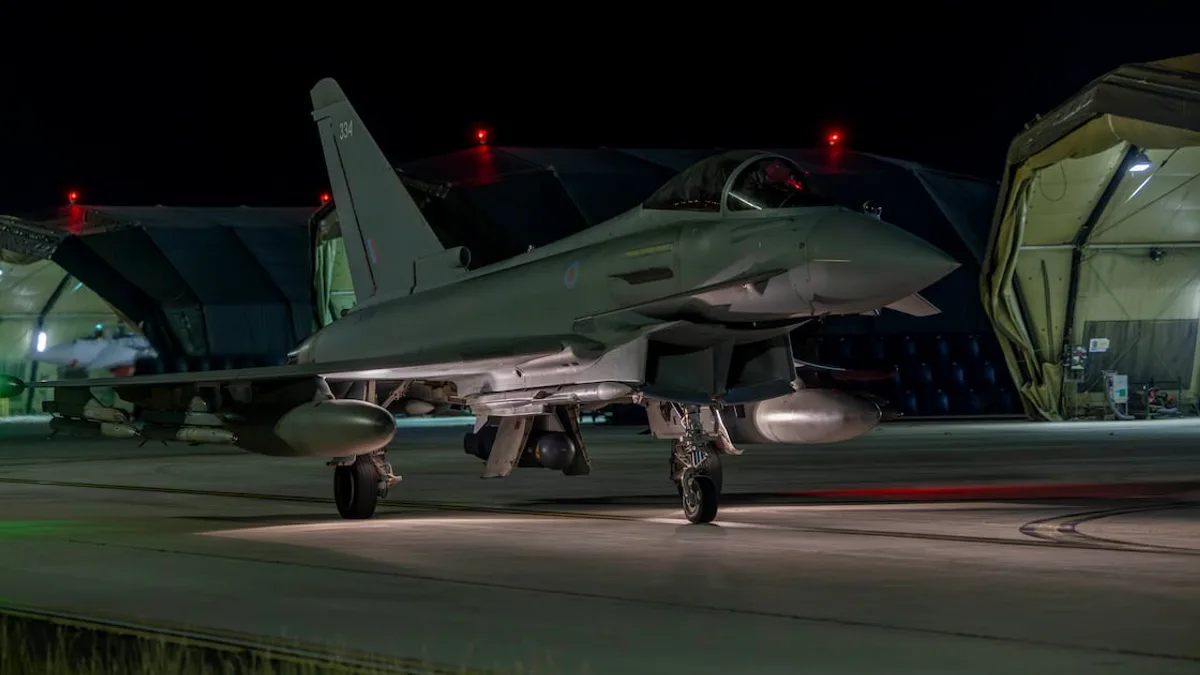
Britain’s Ministry of Defence said on Tuesday, October 20, that Royal Air Force (RAF) Typhoon fighters will be deployed to Saudi Arabia to defend cities and critical infrastructure from air attacks by the Houthis, the Iran-backed militia in Yemen. In September, when London announced extra defensive help after renewed Houthi attacks, no fighters were sent: only a Voyager refuelling aircraft went.
What is London sending to Saudi Arabia?
According to the statement, the Typhoons will fly defensive air-defence missions. The ministry spelled out the limit of the task:
“These aircraft will operate in a defensive role and will not conduct offensive strikes against the Houthis.”
The fighters will be accompanied by a heavy-lift Atlas A400M transport aircraft to move equipment around Saudi Arabia, and British military advisers will support their Saudi counterparts on the ground. The Sky Sabre air-defence system has been sent to protect the Saudi Typhoons. According to the IISS Military Balance, the Saudi air force operates three squadrons of Typhoons and three more of older Tornados.
Why now?
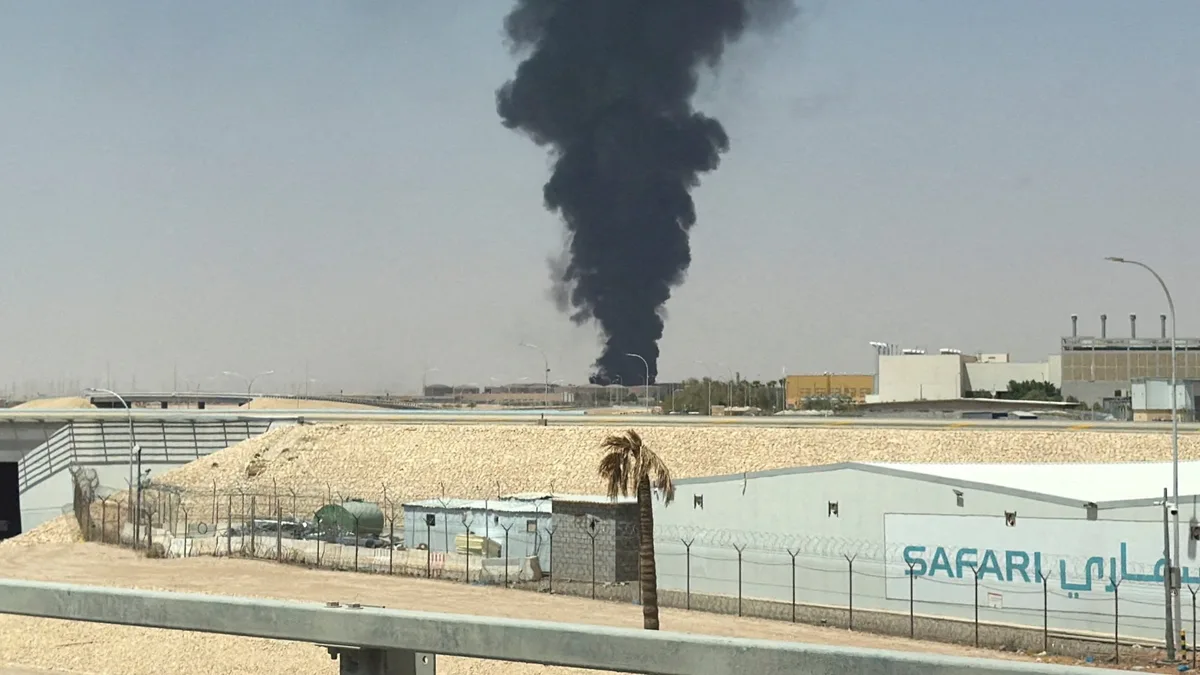
Houthi attacks on Saudi Arabia have intensified in recent weeks. Yemeni authorities said on Monday that a strike on a training camp for government security forces killed 58 people. Strikes on Riyadh airport killed more than ten people in October and disrupted flights, and the Saudi Aramco headquarters in Dhahran and a pipeline crossing the country were also hit. Air-raid sirens sounded in Riyadh on Monday evening.
British Defence Secretary Wes Streeting commented on the attacks in a statement accompanying the announcement:
“The Houthis’ relentless attacks on our ally Saudi Arabia are utterly despicable. Targeting the airport in Riyadh in particular shows how far the Houthis are prepared to go in escalating the situation in the region.”
After the Houthi attacks, Riyadh also postponed the 2027 FII forum, as we have already reported.
What can fighters do against Houthi missiles?
The source says the Houthi arsenal has been strengthened by the Palestine-2 missile, with a range of 1,800 kilometers. It can maneuver on approach to its target at a speed of 6,000 kilometers per hour, which lets it evade defenses. The Houthis have also unveiled an airburst version of the Badr missile, which they claim exploded next to a Typhoon over Yemen earlier this month. The Typhoon carries a 27-millimeter Mauser cannon with 150 rounds that can shoot down slow drones, while cruise and ballistic missiles are too fast for the gun.
What does London say is its own interest?
The Ministry of Defence does not speak only of alliance. The statement also sets out the cost to Britain at home:
“Escalating violence in the Gulf can have a serious impact at home in the United Kingdom. It is in the UK’s national economic and security interest that the Houthis do not succeed in this.”
This is not Britain’s first deployment in the region: in March, Downing Street announced it was sending four fighters to provide defensive cover against Iranian missiles, and those jets joined four Typhoons already stationed in Qatar.