

Ebola in Nigeria: Abuja Woman Infected, 44 Contacts Traced
Nigeria's health ministry confirmed the Bundibugyo strain in a woman who arrived from Uganda, while Uganda says she only passed through in transit.
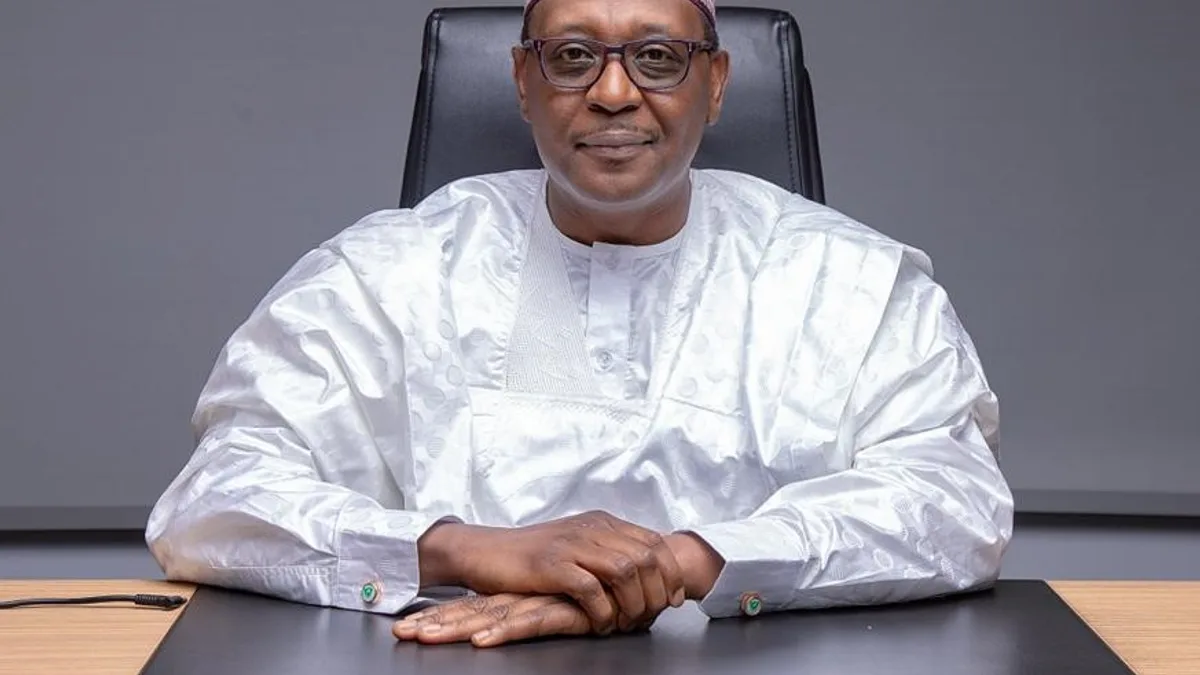
Nigeria’s Federal Ministry of Health and Social Welfare confirmed the country’s first Ebola case on Tuesday, October 20, 2026. The patient is a woman from the capital, Abuja, who according to Nigerian authorities arrived from Uganda, though it is not known exactly when she entered Nigeria. Africa’s most populous country is now the latest to see the Bundibugyo strain.
In brief
- The patient’s symptoms began on October 7, and she was admitted to a private hospital in Abuja on October 11
- Officials are tracing 44 people who were in contact with her
- Uganda denies the infection originated there and says the woman was only in transit
- There is no licensed vaccine or specific treatment for the Bundibugyo strain
What do we know about the patient in Abuja?
According to the ministry, the woman developed her first symptoms on October 7. Four days later she was admitted to a private hospital in Abuja, where Ebola was diagnosed only afterward. She is now in isolation and receiving care.
Health Minister Muhammad Pate said 44 people who came into contact with the patient have been identified and that tracing has begun. Speaking to Nigerian public broadcaster NTA, he said:
“We are doing everything possible to contain this case by tracing all the people with whom the individual might have been in contact.”
Why does Uganda dispute where the infection came from?
Nigerian authorities have not disclosed the patient’s nationality. Uganda’s Ministry of Health says she is a Nigerian who was on a business trip in eastern Congo and merely passed through Uganda in transit. The ministry issued a statement:
“Travel through Uganda does not prove that the infection occurred here. The place of exposure to the virus is still under investigation.”
Uganda reported Ebola cases earlier but was later declared free of the virus. The ministry maintains that it currently has no confirmed active cases.
What is the situation in Kenya and Congo?
On the same day, Kenya confirmed its ninth case: a 24-year-old man, a close family member of the first Kenyan patient, who fell ill while already in quarantine. The first patient traveled from Congo to Kenya via Uganda and died on October 5 in a Nairobi hospital. Director General for Health Patrick Amoth said:
“All nine cases belong to a single cluster, and to date there is no evidence of transmission beyond that group.”
Amoth added that eight patients are stable and responding well to treatment, and that 134 of 135 contacts have been found and quarantined. Those who stay healthy through the 21-day monitoring period can go home from October 25. Kenya has not imposed any restrictions on travel, trade or public gatherings.
The epidemic began in mid-May in the Democratic Republic of Congo. Figures differ by source: AP reports more than 9,500 infections and more than 4,600 deaths, while Al Jazeera and B92 cite more than 9,000 infections, with more than 4,000 and 4,300 deaths respectively. The European Centre for Disease Prevention and Control ranks it as the second-largest Ebola epidemic ever recorded.
How prepared was Nigeria?
The Nigeria Centre for Disease Control announced two weeks ago that it was stepping up surveillance after Ebola was detected in Kenya. The measures covered early detection, isolation and referral of patients, laboratory diagnostics, infection control, contact tracing and protection of health workers. An Ebola task force was set up in June, shortly after the outbreak began in Congo. At the time, Femi Gbajabiamila, chief of staff to President Bola Tinubu, said:
“We do not want a repeat of what happened during the previous epidemic, when a carrier of the virus entered the country and everyone was thrown into panic.”
Nigeria was among the countries hit by the West African epidemic of 2014 to 2016, when it had 20 cases and declared the outbreak over after three months. That epidemic killed about 11,000 people. According to the World Health Organization, the current one is the fastest-spreading so far and is on course to surpass it.
Jean Kaseya, director of the Africa Centres for Disease Control, wrote on X that Africa faces an “extremely serious threat,” with a fatality rate of almost 50 percent. He described the epidemic this way:
“This Bundibugyo Ebola epidemic has already become the geographically most extensive in history, affecting several countries in three regions of Africa.”


