Marsavelski resigns over advising Serbian students
The Zagreb professor has left the Council for Civilian Oversight of the Intelligence Services, and committee chair Ranko Ostojic is asking the SOA for information on him.
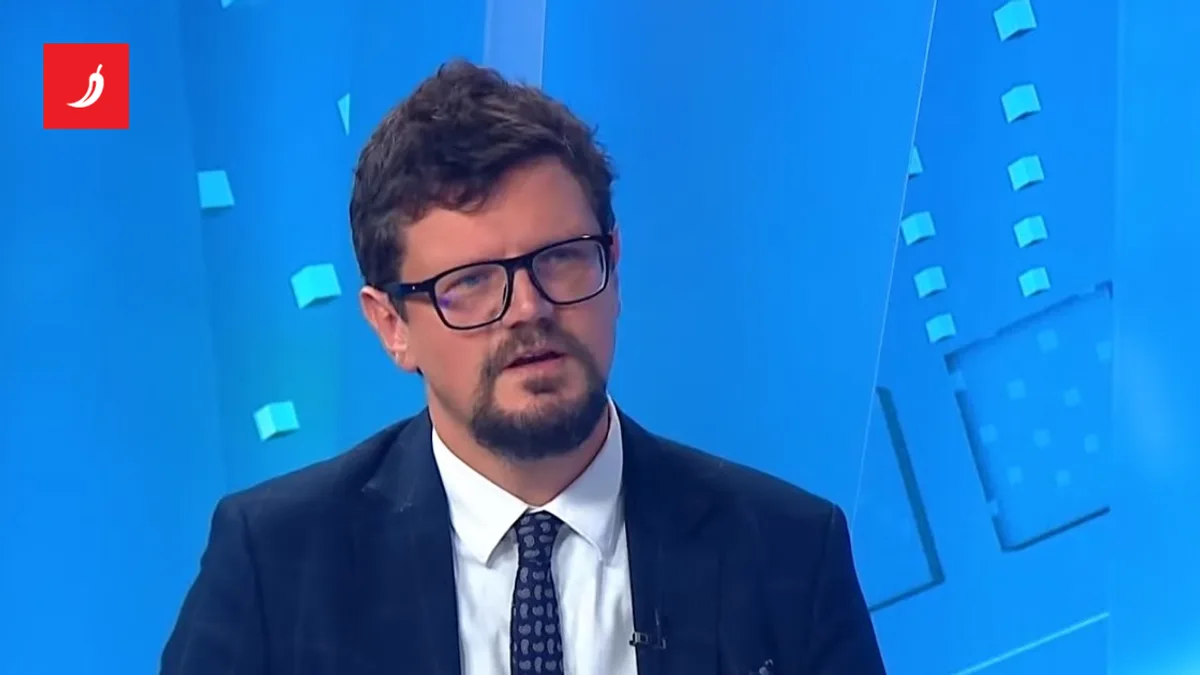
Aleksandar Marsavelski, a professor in the Criminal Law Department at the Faculty of Law in Zagreb, submitted an irrevocable resignation on November 4 from the Council for Civilian Oversight of the Security and Intelligence Agencies. He did so after publicly admitting that, for months and under the pseudonym “Friend of Students,” he had been writing advice in the Belgrade daily Danas for students in the blockade ahead of Serbia’s snap parliamentary elections. For Belgrade the case is not just a Zagreb internal matter: according to the Zagreb portal Index, pro-government media in Serbia have used the admission as proof of Croatian meddling in the “tailoring” of Serbia’s political scene.
Marsavelski confirmed the resignation to the daily Jutarnji list himself, while, according to Index, he did not answer calls from other reporters. The same portal notes that the Croatian Parliament appointed him to the Council on July 15, 2026, less than four months before he left. Novosti describes him in the same context as a member of the parliamentary committee overseeing the services, so the accounts of his post differ between sources, but all agree that the body in question oversees the work of Croatian intelligence agencies.
What did Marsavelski publish in Danas?
On October 31, Danas ran his column under the title “My name is Aleksandar Marsavelski, I am the Friend of Students,” in which he revealed that he was behind a series of open letters to students in the blockade. According to Index, he urged the students to enter politics, form a government of experts and open up to the European Union, and he also advised them not to put Milo Lompar, a right-leaning intellectual, on their list.
In the same text he wrote that, during a study visit to The Hague while he was studying law, he shared a room with Savo Manojlovic, leader of the Kreni-Promeni movement, and that the two are still friends. He also wrote that he had come to Belgrade several times during the protests, lectured at the Faculty of Law and the Faculty of Political Sciences, and visited the Faculty of Geography, which was under blockade. Novosti adds that, according to his text, he also met in Zagreb with people accused of attempting to overthrow the constitutional order in Serbia.
Who demanded he leave the Council, and what is the committee asking for?
The Most party demanded even before the resignation that Marsavelski leave the Council immediately, that Parliament start proceedings to dismiss him, and that the selection of the entire membership of the body be reviewed. Ivica Kukavica, a lawmaker from the Homeland Movement, announced he would seek a session of the parliamentary Committee on Domestic Policy and National Security at which Marsavelski would explain his role in Serbia, which, according to Novosti, he called a “secret political engagement.”
The same day, the committee’s chair, Ranko Ostojic, also spoke up. He told the news agency Hina:
“I have asked the SOA for information for the purpose of possible further action by the Committee.”
The sources do not show what time of day he said this or whether the agency has replied, and Ostojic speaks of information, not of a specific file. According to Index, the Council on which Marsavelski sat monitors the legality of the work of Croatian intelligence agencies, oversees the use of covert data collection measures and, in circumstances set out by law, can inspect the agencies’ documentation. That explains why his writing to Serbian students is being read in Zagreb as a question of trust in the body itself.
What does it mean for relations between Zagreb and Belgrade?
The topic is not new in Croatian public debate: Prime Minister Andrej Plenkovic has already spoken about the Student List, and our earlier article on it was titled “Plenkovic on the Student List: there were no European flags.” What is new is that a concrete name from Croatian institutions has now been linked to the advisers of Serbian students, and it is the name of a man who until today sat on the body responsible for overseeing Croatia’s intelligence services.
The decision on the next step now rests with the Committee on Domestic Policy and National Security, which will have to schedule a session if Kukavica gets support. The resignation took Marsavelski out of the Council but not out of the debate: Most wants the entire membership of the body reviewed, and Ostojic has asked the SOA for information on the professor.