Brussels on Montenegro: EU Talks Could Close in December
The European Commission's annual report rates progress as good in every open chapter, but warns that pay rises under the Euro model could endanger public finances.
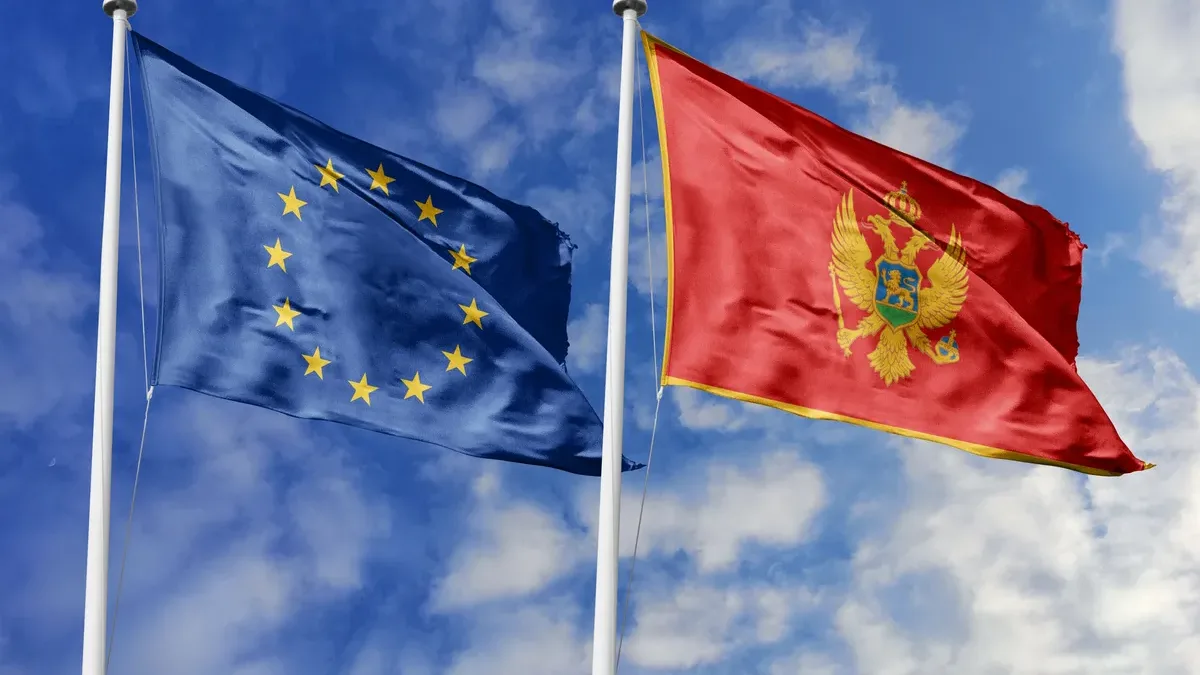
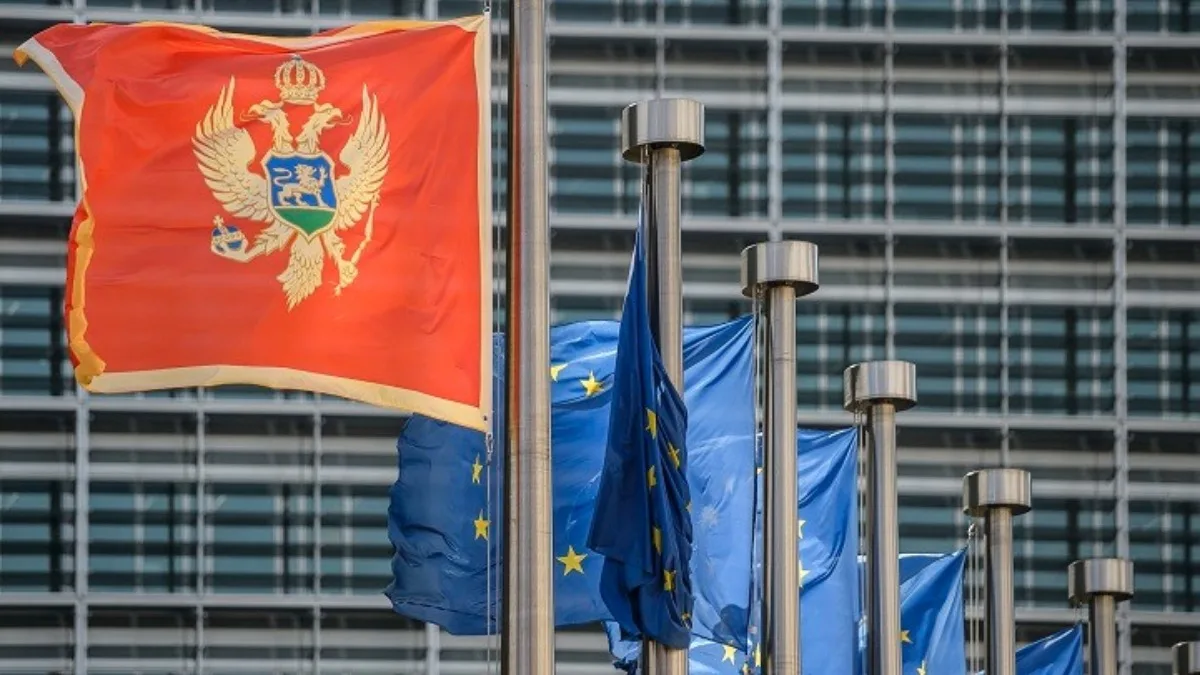
The European Commission is presenting its annual report on Montenegro in Brussels today, November 4, and under the indicative plan it has prepared, accession talks with Podgorica could close by the end of December. For Serbia, this is the closest gauge of the pace at which Brussels is counting on a candidate from the region. The plan places Montenegro in the group of the most advanced countries, together with Albania, Ukraine and Moldova, and mentions June 2027 for the signing of the Accession Treaty.
Until the report is published, it is known only from the parts carried by Montenegrin newsrooms. Television Vijesti had sight of the report itself, and Radio Free Europe of the document on the road map for the most advanced candidates.
What does Brussels say about Montenegro?
Montenegro has made good progress in all the chapters it is still negotiating, according to the report, including the key Chapters 23 (judiciary and fundamental rights) and 24 (justice, freedom and security). Montenegro opened them in 2013, and they set the overall pace of the talks.
The most important remaining obligation is constitutional changes that would abolish immunity and introduce integrity checks for members of the government. The Commission also wants better results in investigations, prosecutions and final verdicts in high-level corruption cases, since the number of final convictions remains small. The capacity and working conditions of the Special State Prosecutor’s Office, the Special Police Department and the Special Department of the High Court in Podgorica urgently need strengthening.
Why is the Commission warning about the Euro model?
The report also turns to Prime Minister Milojko Spajic’s recent announcement that wages will rise from January. In it, the European Commission states that the Euro model “may pose a significant risk to the sustainability of public finances and the external balance,” adding that this still needs to be assessed in more detail, after consultation with stakeholders.
As grounds for the warning, Brussels notes that Montenegro’s budget deficit last year exceeded the planned level. Fiscal vulnerabilities remain because of high mandatory spending and large debt refinancing needs. The Commission therefore proposes that the government limit public spending and total public sector wage outlays over the medium term, and carry out revenue-raising measures, so that compliance with the fiscal rules is ensured.
Which chapters come next, and what stands between Montenegro and the end of talks?
Montenegro has so far provisionally closed 21 of 33 chapters, and at least one more is expected to close by the end of this week. Under the Commission’s indicative plan, the schedule looks like this:
- November: energy, transport policy, food safety with veterinary and phytosanitary policy, taxation and free movement of goods
- December: financial services, regional policy, environment and climate change, external relations, security and defense, as well as Chapters 23 and 24
The Commission stresses that this is an indicative plan and that the pace will depend on Montenegro’s progress in meeting the conditions, as well as on decisions by European institutions. The Enlargement Policy Communication says the talks can be closed in December, but that a financial package and institutional arrangements, including safeguard mechanisms, must be agreed first.
An active observer in EU bodies
The same communication envisages that after the final intergovernmental conference, and until it joins, Montenegro “should have the status of an active observer” in most Council of the EU working groups, as well as in the Commission’s expert groups and committees. The document explains it this way: “This will allow Montenegro to familiarize itself with the working methods of EU institutions.” A procedure for information and consultation will also be set up, so that Podgorica can follow developments in EU law in the period between signing the treaty and entry.
This year’s report could be the last of its kind for Montenegro. From next year, it would be replaced by reports on monitoring the implementation of reforms.
The road to the Accession Treaty
The draft Accession Treaty should be ready in spring 2027, and signing could follow by summer, ideally in June. A dedicated working group, formed in April and meeting in Brussels, is already working on the text. Before signing, a positive opinion from the European Commission, the consent of the European Parliament and a decision by the Council of the EU on admitting Montenegro are required. After signing, the treaty must be ratified by Montenegro and all member states.
Stricter mechanisms for monitoring reforms until the day of membership are also planned: progress would be assessed twice a year, and in the event of backsliding and insufficient results from corrective measures, accession could be postponed. The Montenegrin government’s goal is for the country to become the Union’s 28th member in 2028.
Today’s program
The enlargement package is being presented by the EU High Representative for Foreign Affairs and Security Policy and Commission Vice-President Kaja Kallas and Enlargement Commissioner Marta Kos. At the European House in Podgorica, the program starts at 3 p.m. with a live broadcast of the press conference from Brussels. Around 4 p.m., statements will be given by the EU Ambassador to Montenegro Johan Sattler and Prime Minister Milojko Spajic, in the presence of European Affairs Minister Maida Gorcevic.