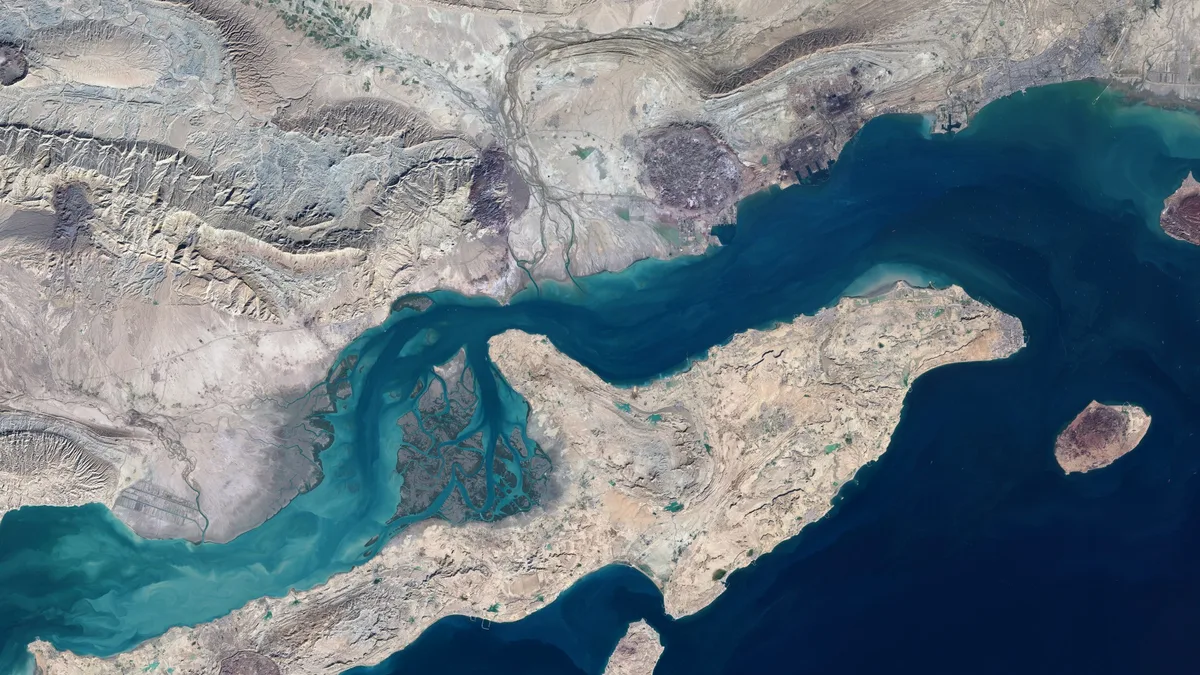
Iran Hits Kuwait With Drones After US Strike on Qeshm
US jets struck a Revolutionary Guard missile site on Qeshm Island on Tuesday, and Tehran answered Wednesday morning with drones aimed at Ali Al Salem air base in Kuwait and at Bahrain.
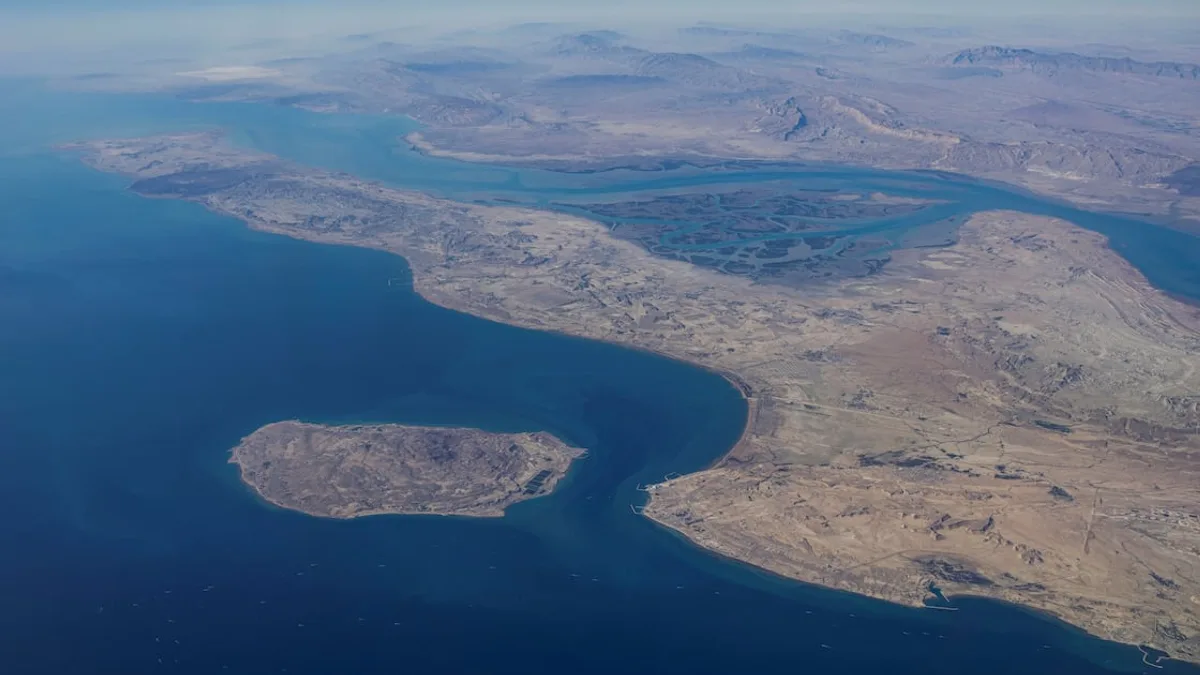
The exchange of strikes between Washington and Tehran spilled over to Kuwait on Wednesday morning, and Serbia feels it mainly through energy prices: according to CBS News, the global oil price is still about 40 percent higher than before the war, because the risk to ships in the Strait of Hormuz is not easing. Early on November 18, Iran targeted Kuwait for the first time since September, and Bahrain before dawn, a day after US aircraft hit a missile site on Qeshm Island.
What did Iran target in Kuwait?
The Iranian military said its drones hit American Patriot air defense systems and drone and missile launchers at Ali Al Salem air base. According to The National, the statement was carried by Fars. It reads: “We will not bow to any power in defending Iran,” along with a warning that any response would be “decisive, strong and without geographic limits.”
The Kuwaiti military confirmed that its air defenses acted against hostile drones. In a post on X it said that “the explosions heard are the result of air defense systems intercepting hostile attacks.” Damage to the base was not immediately reported. According to Reuters, this is the first Iranian attack on Kuwait since September.
American forces are stationed in the country at Ali Al Salem and Camp Arifjan. Kuwait’s Foreign Ministry condemned “repeated, criminal Iranian attacks on the country,” calling them a “flagrant violation” of its sovereignty and a “dangerous escalation” that undermines diplomatic efforts to reduce tension. According to IBTimes, Kuwait added that it reserves the right to take the measures needed to protect its territory and vital infrastructure.
What was happening in Bahrain at the same time?
Bahrain’s air defenses intercepted several Iranian aerial attacks before dawn. The Interior Ministry issued a shelter alert, followed by an all-clear. No damage or casualties were reported. Bahrain is home to the headquarters of the US Navy’s Fifth Fleet.
The sources differ in their counts. CBS reports that on Tuesday the Guard claimed for the third time in five days that it had targeted an American radar in Bahrain, while US officials say all three attempts were intercepted. IBTimes, citing the Associated Press, says the November 18 attack was the first on American facilities in Bahrain in about two months. The two claims do not match, and neither source explains the gap. We have written before about the Guard’s earlier claims of targeting a radar in Bahrain.
Why did the Americans strike Qeshm?
On Tuesday, November 17, US combat aircraft hit a Revolutionary Guard missile launch site on Qeshm Island in the Strait of Hormuz. The first reports came around 11:04 a.m. Eastern time via Iran’s IRNA agency, and the American confirmation only around 2:38 p.m. An unnamed US military official told CBS News: “The strike was a response to the Guard’s aggression aimed at American personnel and property.”
The strike was preceded by an Iranian attempt to attack an American radar site in Bahrain. US Central Command said there was no damage to equipment and no injuries, and called the Guard’s claim that the radar was hit false. Ahmad Nafisi, deputy governor of Hormozgan province, told IRNA that “the American attack on locations on Qeshm Island did not damage residential, commercial or infrastructure facilities.” Iranian media report that several locations were hit, with no casualties. According to CBS, Qeshm has been a target of American strikes several times during the war, mostly described as defensive and aimed at drone and missile launch equipment.
What happened to the ships in Hormuz?
On Tuesday evening, a ship belonging to ADNOC Logistics & Services, the state oil group of the United Arab Emirates, was attacked in the strait. One crew member is missing, 11 were injured, and the rest were evacuated. The company did not say who attacked, and in its statement it said: “Search and rescue operations are under way in coordination with the relevant authorities.” The same day, the Panama-flagged gas tanker Tara Gas was hit and caught fire. India’s Foreign Ministry said 21 crew members were evacuated, two are in hospital, and one is still being searched for.
Iran claims the ships struck mines on a route the US considers cleared and safe, but according to CBS it has offered no evidence for this. The commander of US Central Command declared the southern shipping lanes fully cleared of mines at the end of October.
How did the Gulf states and Tehran react?
The United Arab Emirates, Qatar and Saudi Arabia condemned the attack on Kuwait, and Jordan expressed solidarity with Kuwait. The chief of Iran’s armed forces, Major General Amir Hatami, warned on Wednesday that any repetition of earlier actions against Iran would bring a response that would be “more devastating, harsher and without geographic limits.”
The diplomatic channel has not been cut. Qatar’s Foreign Ministry spokesman Majed al Ansari said that Qatari and Iranian officials met on Tuesday and discussed proposals to bring Tehran and Washington closer, warning that any escalation on the ground poses an “extremely serious danger” to the prospects for a deal. President Donald Trump, according to CBS, has repeated several times that the war is won and that he does not need a deal. An agreement on halting the fighting has not been announced so far.