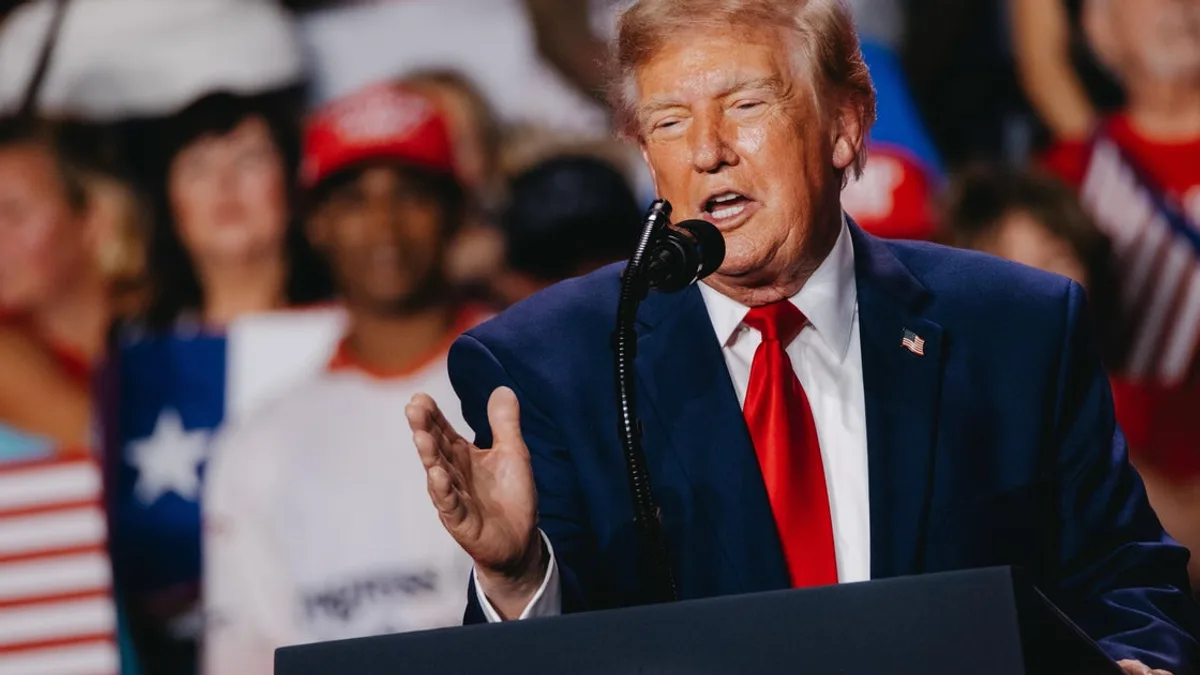
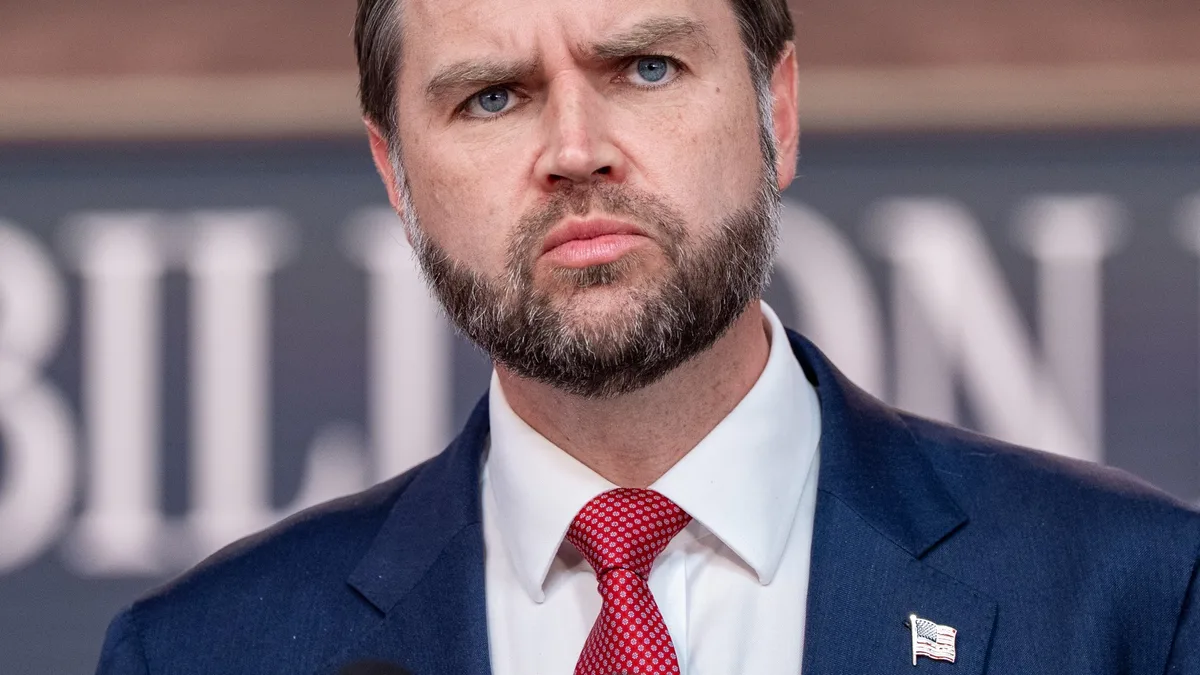
Trump Says US Needs No Iran Deal, Moves Vance Elsewhere
The US president says on Truth Social that Washington is not seeking a deal with Tehran and sends Vance on another assignment. The White House does not confirm talks are over.
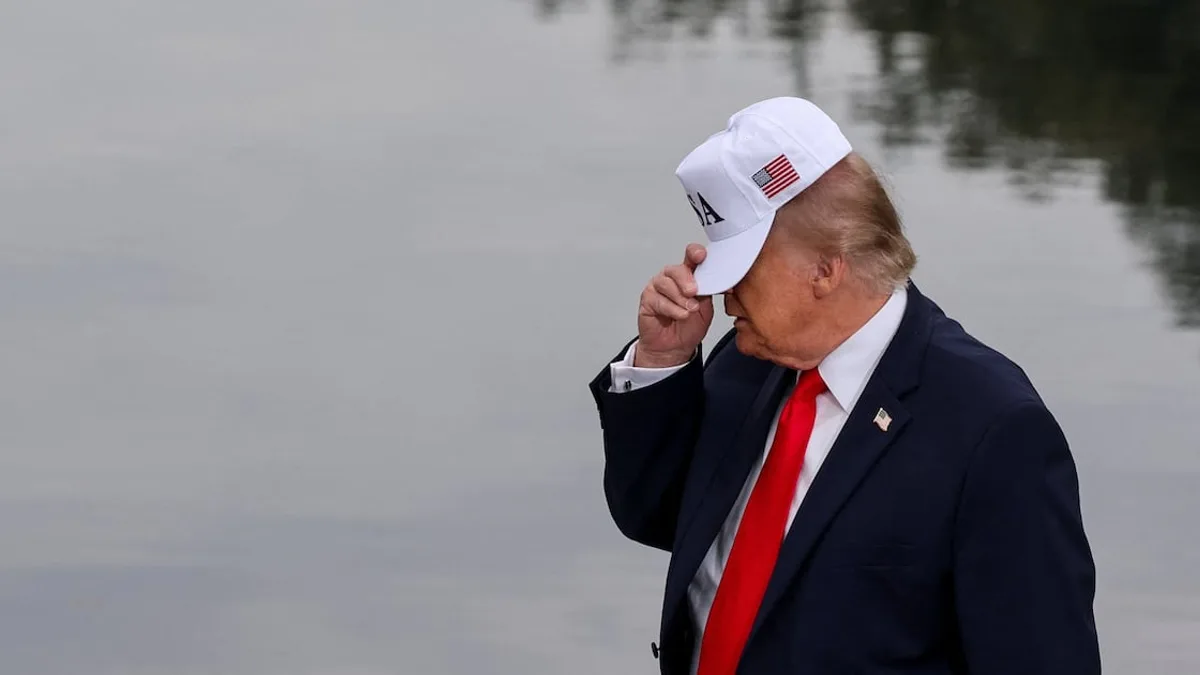
US President Donald Trump said on Thursday, November 12, that the United States no longer needs a deal with Iran. The topic is not distant for Serbia: before the war, the Strait of Hormuz, the subject of the negotiations, carried about 20 percent of the world’s oil and liquefied gas, so every turn in those talks shows up in energy prices. Trump posted the message on Truth Social on Thursday morning, and in it he gave Vice President JD Vance, one of the administration’s key figures on Iran, an entirely different job.
What exactly did Trump write?
Translated, the full post reads:
“We don’t need a deal with Iran. Those days are long gone. We have their money, hundreds of billions of dollars, and we have their strait!”
In the same post, Trump ordered Vance to give his “complete and total attention” to what he described as widespread corruption and crime in US states run by Democrats. He named Minnesota, California and Illinois as examples, The National reports.
The post shifts the tone of recent weeks. Until now he had repeatedly said the war would end after the congressional elections and that a deal remained possible. On Tuesday he judged that further military action against Iran was “very unlikely,” while warning that Washington is “ready to act” if circumstances in the Middle East change. On Veterans Day, Wednesday, at Arlington cemetery, he said the war would end soon. We previously reported on his claim that Iran is militarily all but finished and that the blockade stays in place.
Are the talks with Iran over?
The White House has not answered that question. An official asked by ABC News would not say whether the talks with Iran had ended, and instead sent a statement stressing the naval blockade and economic pressure. The statement says:
“The United States is in a very strong position, with control over the Strait of Hormuz.”
It adds that the largest naval blockade in history, Operation “Economic Outcast,” along with the new Operation “Iron Gate,” will continue at full force.
Secretary of State Marco Rubio’s answer a day earlier pointed the same way. On Tuesday, Rubio said:
“Iran would love a deal. The problem is that the terms they keep putting forward are absurd.”
He added that economic pressure will eventually force Tehran to change its stance:
“In the end, economic reality cracks the skull of even the most radical lunatic.”
What is known about Vance and Rezaei?
Ahead of Trump’s post, the Wall Street Journal reported that Vance was weighing a face-to-face meeting with Mohsen Rezaei, secretary of Iran’s Supreme National Security Council. According to that report, Trump told aides he was open to continuing talks and authorized Vance to negotiate, while US officials stressed that the idea of a meeting was only preliminary.
Vance tried to broker an agreement in April, but the talks in Islamabad ended without result. He has also said before that the war is the very reason Republicans lost the November 3 congressional elections, in which Democrats took the majority.
How has the war affected oil prices?
The US and Israel began the war against Iran on February 28, 2026. Iran responded by threatening shipping through the Strait of Hormuz, which pushed up global fuel and goods prices. Oil prices rose around the time of Trump’s statements and wiped out an earlier decline that followed Saudi Arabia raising production to nearly its pre-war level.
Analyst Trita Parsi judged that the most likely outcome is neither war nor peace. In his assessment, Trump could formally keep the blockade and sanctions while letting them gradually lose force, which would let him avoid a deal that could be read as an admission that the war failed. Parsi warned that such an approach would leave the US, Iran and the whole region exposed to the risk of a new war.