Danka Ilic trial: defendants allege police tortured them
At the main hearing before the Higher Court in Negotin, D. D. and S. J. denied guilt and said they confessed to police under beatings. The court did not exclude the public.
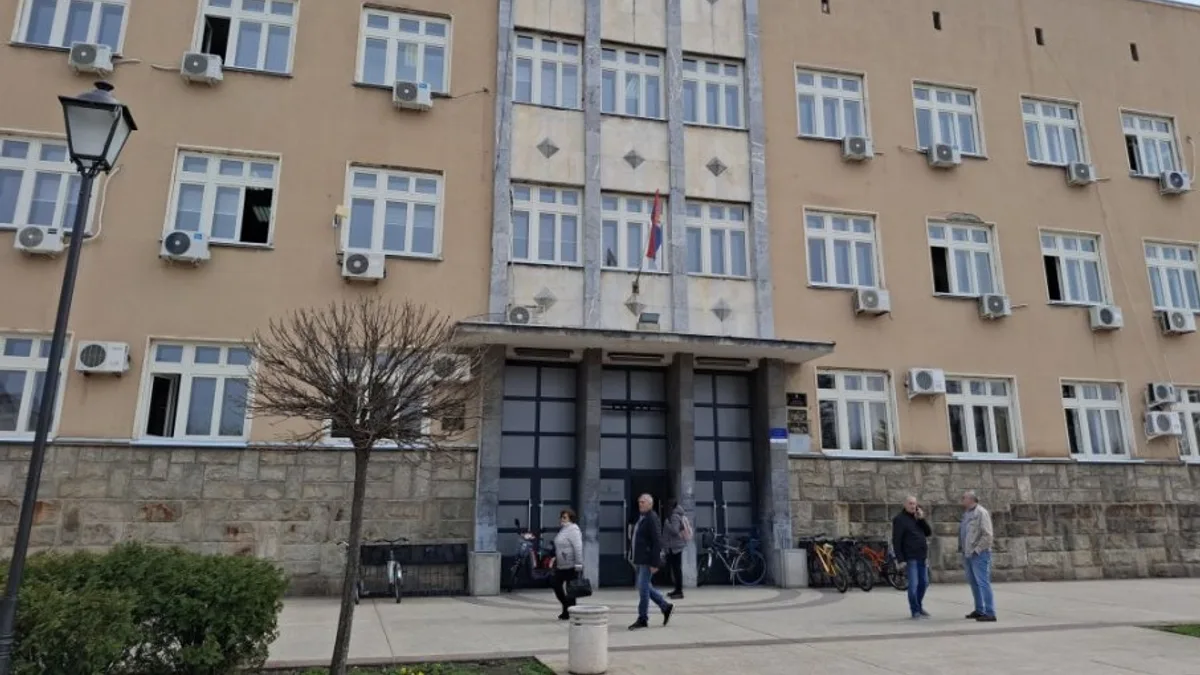
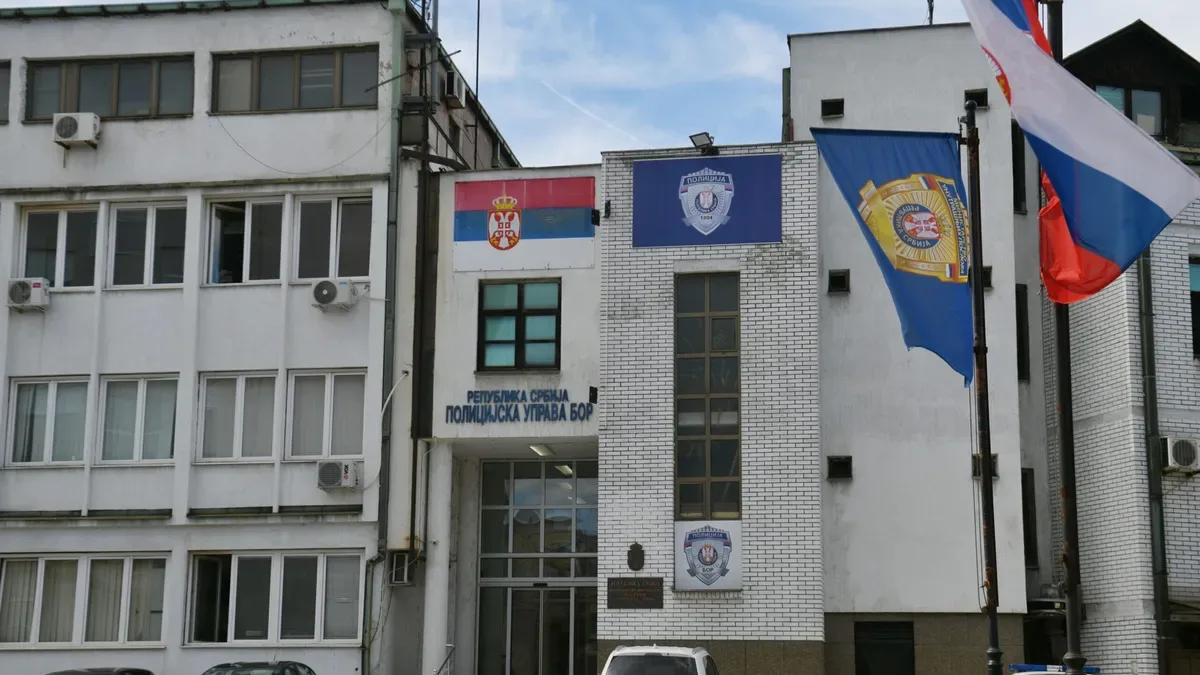
The main hearing in the murder case of Danka Ilic began on November 19 before the Higher Court in Negotin, and the two defendants gave their defense in public for the first time. D. D. and S. J. denied guilt and say they confessed to police in Bor under beatings and threats. The defense presentation lasted about four hours.
The defendants’ guilt has not been proven, and the proceedings are only at the start.
What are D. D. and S. J. charged with?
Both are charged with aggravated murder as co-perpetrators. The indictment was filed by the Higher Public Prosecutor’s Office in Zajecar, which proposed a life sentence for both. According to the indictment, on March 26, 2024, in Banjsko Polje near Bor, they struck a two-year-old girl with a vehicle belonging to the public utility JKP Vodovod, placed her in a car and drove the body to an unknown location. The body has still not been found.
The indictment was filed after a supplementary investigation. That was ordered by the Court of Appeals in Nis, which twice sent back the decision confirming the indictment and, the second time, ordered that a completely new panel of the Higher Court in Negotin decide. A third man, D. D.’s father, was also charged in the same case, but the court discontinued proceedings against him. Both defendants have been in custody since their arrest.
A five-judge panel presides over the main hearing, headed by Judge Julijana Mogos Zivkovic. The next sessions are scheduled for November 20, 23 and 24, each at 10 a.m. The girl’s parents, Ivana and Milos Ilic, did not attend today’s session.
What did the defendants say in court?
D. D. said he understands the charge but does not admit the act:
“I do not admit the act, because I did not commit it.”
S. J. told the court he never even saw the child. According to his defense, he and D. D. stopped at the gate of the property and saw no one, and as they walked toward the vehicle they noticed a woman holding a child by the hand. The woman, he claims, did not address them:
- “I do not admit it, because I did not even see the child.”
- “We never saw the child, and we never hit her.”
Asked why he confessed to the act in police custody, he answered that he had been forced by torture.
What do they claim about the police in Bor?
Both defendants say they confessed because they could no longer endure the beatings. D. D. described what, by his account, happened to him:
“They beat me with a stick, put a bag over my head, hit me on the soles of my feet with a rod, slapped me… I was terrified, I was bruised all over. They threatened to kill me if I did not confess, and I had nothing to confess.”
S. J. claims that police put a hood over his head, tied his hands and feet, and choked him in a bathroom until he lost consciousness. He says he could recognize some of the inspectors. By his account, confessing was the only way out:
“I had to confess, I had no choice.”
He named threats against his family as the hardest part of what he lived through:
“They told me I had hit the girl with the car and killed her, I told them I had not, and they said that if I did not confess, they would kill my son and my four-year-old granddaughter and me! That is my greatest pain.”
S. J. also added what, he says, the police dictated to him: “They said that [D. D.] put the child in the car and that we left the child there.”
No court has so far confirmed these claims. We previously reported that seven police officers from Bor were arrested on suspicion of torturing these very defendants, and that the Higher Court in Nis ordered them held in custody for up to 30 days.
Why was the public not excluded?
Sources differ on who asked for the trial to be closed. Television station RTS, as relayed by the portal Dan, reports that all parties asked for it. Mondo reports that the defendants and the parents’ attorney supported the motion, while the defense lawyers left the decision to the court.
The panel rejected the motion immediately. The judge explained that publicity is the basic principle of a main hearing and that the reasons the parties gave were not sufficient to exclude the public, and then added:
“The court will take care that the privacy of the defendants and the injured parties is protected at the main hearing. No appeal is permitted against this ruling.”
The preliminary hearing was held on October 30, when both defendants entered their pleas and the public prosecutor briefly presented the indictment.