Serbia budget April 2026: 13.2 billion RSD surplus
The Finance Ministry reported that Serbia's consolidated budget posted a 13.2 billion RSD surplus in April 2026, with a cumulative four-month surplus of 41.7 billion RSD, well above the fiscal plan.

Serbia’s consolidated budget posted a surplus of 13.2 billion RSD (around €112.4 million at the NBS reference rate) in April 2026, the Finance Ministry said in its 27 May bulletin.
The four-month cumulative surplus reached 41.7 billion RSD (around €355.2 million). That figure runs well ahead of the fiscal framework plan for the same period of 19.4 billion RSD.
Revenue and expenditure in April
Total public revenue in April came to 252.8 billion RSD, up 9.4 percent on April 2025. Expenditure stood at 239.6 billion RSD, up 7.8 percent.
The largest contribution to revenue growth came from value added tax, which rose 11.2 percent. That reflects a pickup in household consumption in the first quarter, estimated by the Statistical Office of the Republic of Serbia at 7.8 percent in real annual terms.
Excise duty patterns split:
- Tobacco products: up 14.6 percent after the rate increase from 1 April, in line with Directive 2011/64/EU
- Oil derivatives: flat, reflecting softer global oil prices
Expenditure mix, public investment accelerates
Public sector wages remain the single largest expenditure line. They came to 71.4 billion RSD or 29.8 percent of total spending. The 11.8 percent year-on-year rise tracks the 17 percent pay rise in healthcare and 13 percent in education, both applied from 1 January 2026.
Interest expense in April was 12.4 billion RSD, up 4.3 percent. The figure mirrors the cost of servicing public debt, which stood at 4,841.4 billion RSD in May 2026.
Public investment in April climbed 22.1 percent year on year to 41.6 billion RSD, or 17.4 percent of total outlays.
Main infrastructure priorities:
- Corridor 10
- Morava Corridor
- Nis-Merdare motorway
- Three wind farms in Banat with combined capacity of 270 MW
Fiscal Council’s independent assessment
The Fiscal Council of the Republic of Serbia, an independent body chaired by Professor Pavle Petrovic, issued its regular review on 26 May.
The April surplus of 13.2 billion RSD confirms a markedly conservative fiscal stance over the first four months, leaving room to absorb additional capital outlays in the second half of the year, provided the outcome of the NIS negotiations does not produce shocks on the tax revenue side.
The council also flagged risks tied to the second tranche of the EU Reform and Growth Facility.
The Fiscal Council warns that failure to deliver the reforms required for the second tranche of the EU Growth Plan would create a risk of a 1.5 billion EUR shortfall in financing for capital projects in 2026, which could only be covered through additional borrowing or by refocusing existing projects.
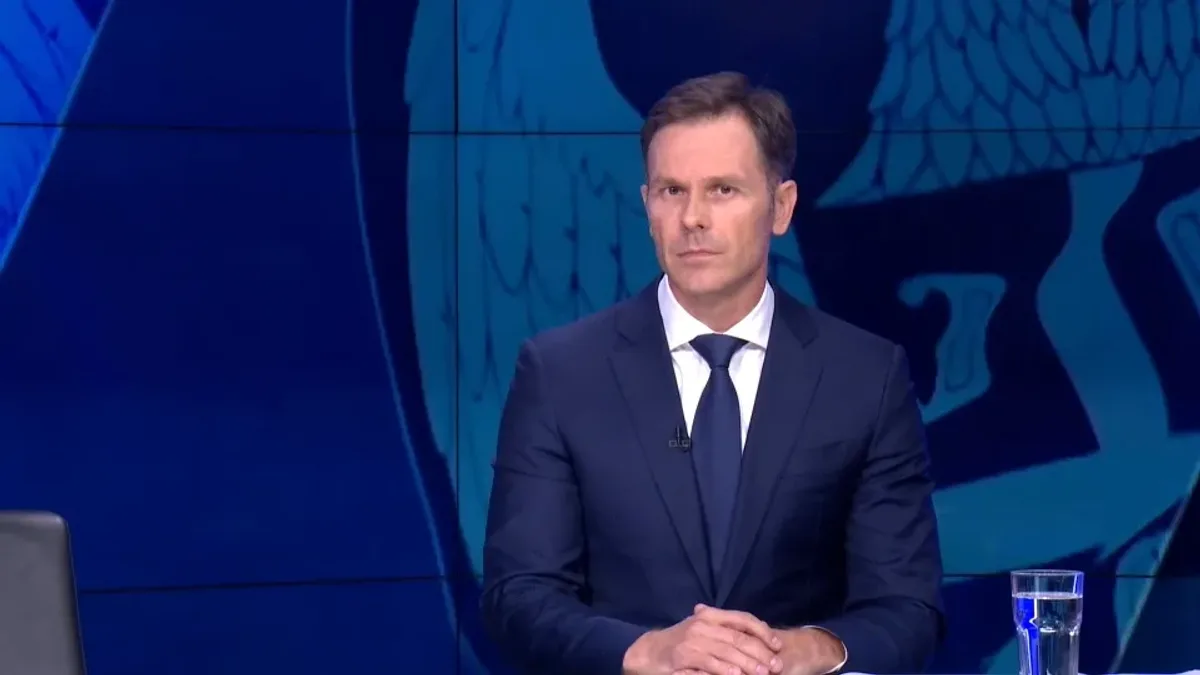
Finance Minister Sinisa Mali spoke after publication of the bulletin.
The Republic of Serbia remains on the targeted fiscal path of a 1.5 percent of GDP deficit for 2026, with a moderate widening of the deficit expected over the summer and autumn months as the public investment programme is rolled out.
Mali confirmed that VAT revenue running 11.2 percent above plan in the first four months provides fiscal room for manoeuvre. A possible 9 billion RSD increase in agricultural subsidies could be financed out of the remaining first-half surplus.
Surplus: discipline or under-execution
The open question is whether the 41.7 billion RSD cumulative surplus reflects strict discipline or technical delays in executing planned capital outlays.
Regional comparators put the figure in context:
- Croatia: deficit of 0.8 percent of GDP
- Slovenia: deficit of 1.1 percent of GDP
- North Macedonia: surplus around 0.4 percent of GDP
- Albania: surplus around 0.4 percent of GDP
A follow-up on the effects will be published shortly.