Serbia's public debt at 4,841 billion RSD, 41.3 percent of GDP
The Public Debt Administration reports preliminary public debt of the Republic of Serbia at 4,841.4 billion RSD as of 15 May 2026, around 41.3 percent of projected 2026 GDP.

The Public Debt Administration of the Finance Ministry reported preliminary public debt of the Republic of Serbia as of 15 May 2026 at 4,841.4 billion RSD (around €41.25 billion at the NBS reference rate of 117.40 RSD per euro).
That comes to around 41.3 percent of projected 2026 GDP. Compared with the 31 January 2026 stock of 4,572.5 billion RSD, the debt rose by 268.9 billion RSD (around €2.29 billion) over four and a half months.
Debt mix, eurobonds dominate
The bulk of the stock is external debt in the form of eurobonds issued on international markets.
Mix as of 15 May:
- Eurobonds (international market): 47.2 percent
- Dinar-denominated domestic bonds: 31.8 percent
- Bilateral credit lines: 12.4 percent
- Multilateral partners (EIB, EBRD, World Bank): 8.6 percent
The mix has been essentially unchanged for eighteen months, with a marginal rise in the dinar share. That tracks the de-dollarisation strategy set out by the Finance Ministry in the Public Debt Management Strategy 2025-2027.
Reopened five-year bond at 4.5 percent coupon
The largest single issue in May driving the debt increase is the reopening of the five-year government bond maturing 30 July 2030. The auction was held on 12 May.
Issuance parameters:
- Issue size: 29.77 billion RSD (around €253.5 million)
- Coupon rate: 4.500 percent
- Yield to maturity at the auction: 4.82 percent
- Spread to the 15 April primary issue: three basis points higher
The bond’s secondary market price on the Belgrade Stock Exchange at the 27 May close stood at 98.12 percent of par, with a yield to maturity of 4.93 percent.
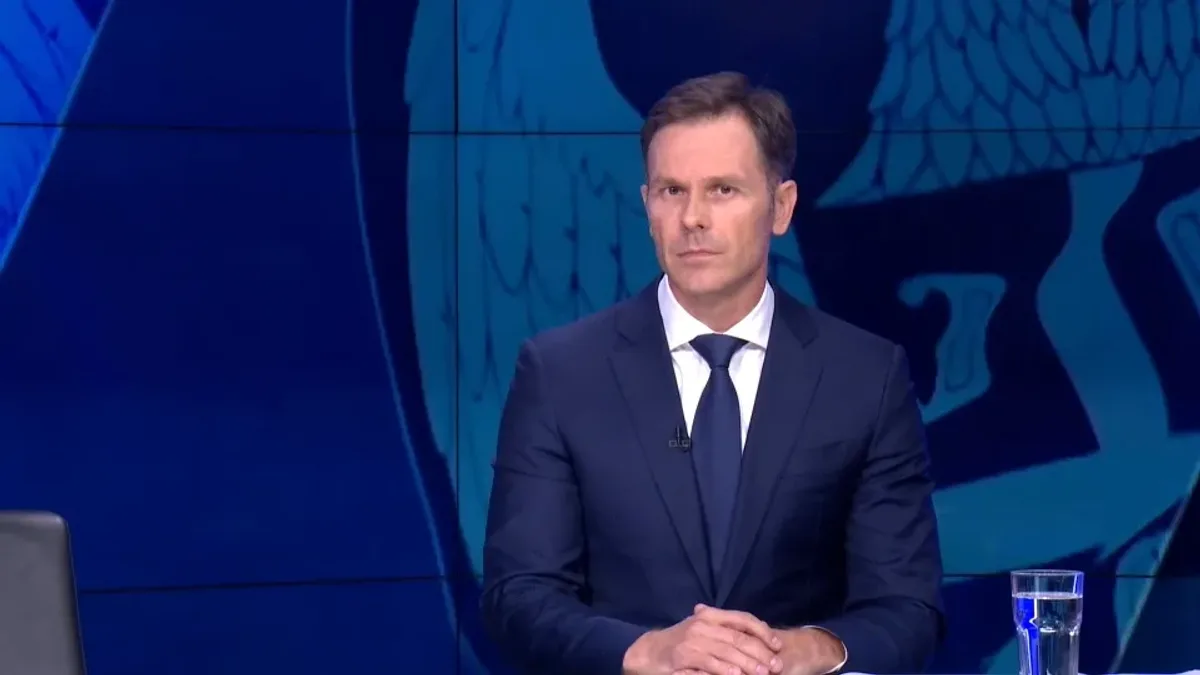
Finance Minister Sinisa Mali set the target at a 14 May press conference after the government session.
The targeted public debt profile for end-2026 remains in the 42 to 44 percent of GDP range, with a feasible descent to 38 percent by end-2028, provided real GDP growth does not fall below 3.2 percent per year.
The IMF projection published at the spring meetings in Washington supports this scenario, with GDP growth estimates of 3.9 percent for 2026 and 4.1 percent for 2027.
Debt service and refinancing
In the 2026 budget expenditure mix, interest costs are budgeted at 156.8 billion RSD (around €1.33 billion), or 3.2 percent of total budget outlays.
Largest 2026 maturity:
- 2016 eurobond: 1 billion USD, matures 21 September
The Finance Ministry already activated a buyback programme for this series on the secondary market in February, transacting with US institutional investors.
June domestic auctions on the Public Debt Administration calendar:
- Reopening of the ten-year bond with a 5.75 percent coupon
- Two-year paper with a 4.25 percent coupon
- First issue of a new seven-year dinar bond, with a total volume up to 38 billion RSD
What this means for 2026 fiscal room
Is 41.3 percent of GDP a comfortable level for Serbian fiscal policy with an uncertain energy sector backdrop? The current debt-to-GDP ratio is the lowest in four years.
That leaves limited room for additional credit-financed spending above 50 billion RSD without breaching the upper bound of the target. A follow-up on how the five-year bond reopening affects inflation expectations and NBS monetary policy direction will be published shortly.