Serbian retail trade up 5.6 percent in real terms in April
The Statistical Office reported retail trade rose 5.6 percent year on year in real terms in April, with fuel posting the strongest growth.

- Retail trade turnover rose 5.6 percent year on year in real terms in April, and 8.3 percent in current prices.
- Real growth for the first four months of the year stands at 7.9 percent.
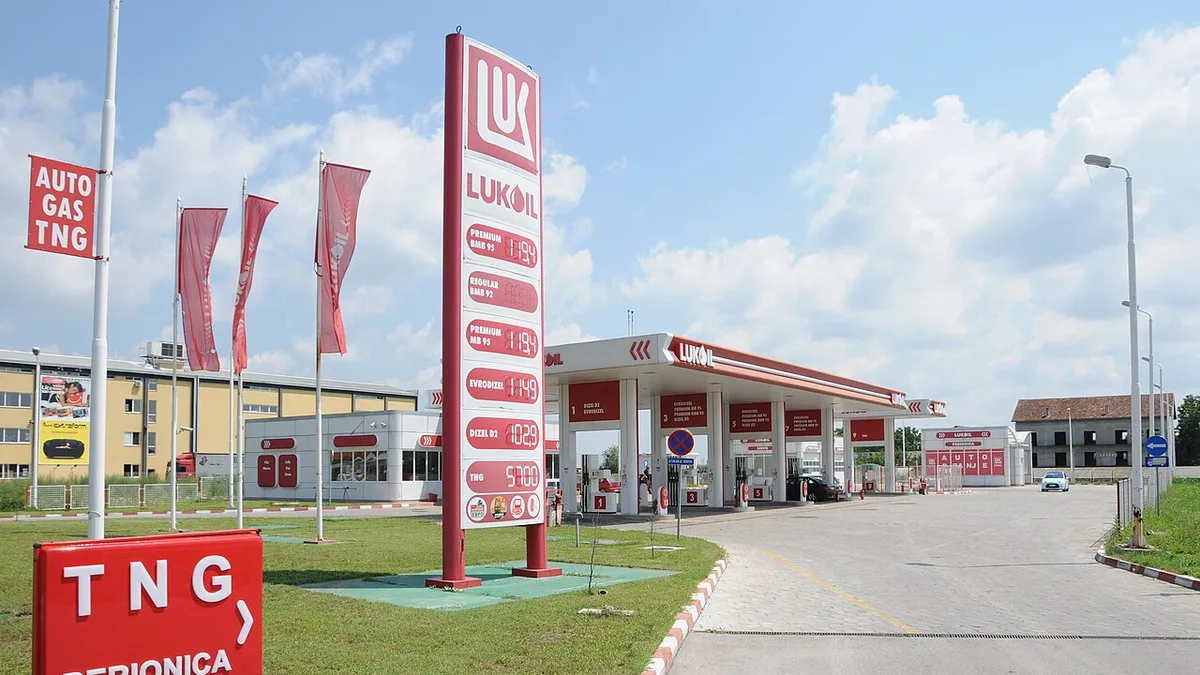
- The strongest real growth came from fuel, at 8.7 percent.
- The rise in turnover tracks real growth in household incomes.
Retail trade turnover rose 5.6 percent year on year in real terms in April, the Statistical Office of the Republic of Serbia reported on May 29, 2026. In current prices, which also reflect price movements, the increase reached 8.3 percent.
For the first four months of the year, real growth in turnover stands at 7.9 percent, faster than the April figure alone. The reading shows that domestic demand remains the main engine of economic activity, as retail trade is a direct measure of household consumption.
Where growth was strongest
The strongest real growth came from fuel, at 8.7 percent. Sales of food, beverages and tobacco rose 5.6 percent, while non-food goods grew 4.4 percent. The breakdown shows consumers are still raising spending first on transport and basic supplies, and only then on wider consumer goods.
The gap between real growth of 5.6 percent and nominal growth of 8.3 percent represents the share of turnover driven by higher prices. Even after that adjustment, the real result stays positive, meaning shoppers are buying larger volumes rather than just pricier goods.
What is supporting consumption
The rise in turnover tracks real growth in household incomes. When disposable income grows faster than prices, households maintain or expand the volume of their purchases, and that relationship feeds straight into retailers’ turnover.
The data lands at a moment when consumption carries the largest part of the burden of economic growth. As long as incomes match or outpace inflation, retail trade remains a reliable gauge of the state of household budgets.
Will your household budget in the coming months allow for higher spending, or only for keeping pace with prices?