Brent Oil Tops $90 After US Strike on Iran's Larak
The price of a barrel of Brent crude passed $90 after a US strike on Iran's island of Larak in the Strait of Hormuz, while Iran retaliated by striking American bases in Jordan.

The price of a barrel of Brent crude oil passed $90 today, August 31, after American forces struck the Iranian island of Larak in the Strait of Hormuz. It is the first confirmed US attack on Iran since late July, pushing the conflict into its sixth month.
Figures on the exact size of the increase vary by source. Citing CNBC, Tanjug reported at 9:55 a.m. that the November Brent futures contract had risen 1.54% to $89.462 a barrel, while the October WTI contract gained 1.44% to reach $84.607. According to data the Beta agency attributed to Reuters, Brent climbed $1.77, or 2%, to $89.87, while WTI rose $1.45, or 1.74%, to $84.85. Trading Economics, reading the market later in the day, put Brent at $91.45, up $3.35, or 3.80%, from the previous close. The gap reflects when each source took its reading during the trading day, but all three agree that a barrel crossed the psychological threshold of $90 again.
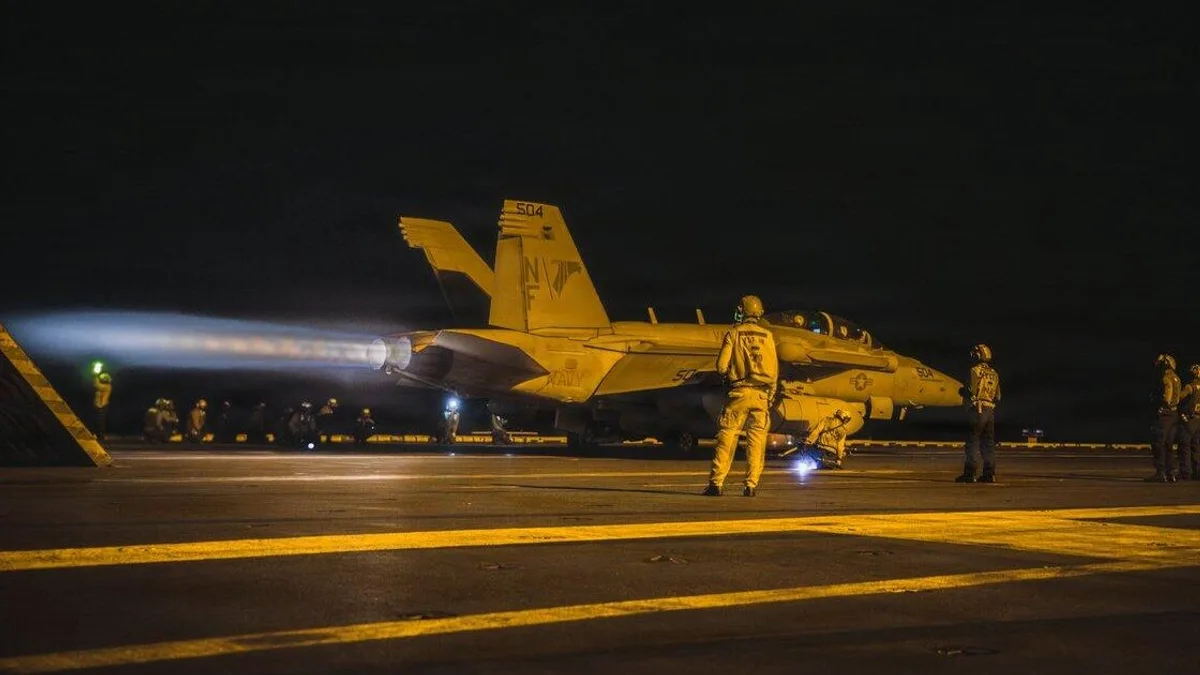
United States Central Command (CENTCOM) said its forces had struck two Iranian missile launchers after observing members of the Islamic Revolutionary Guard Corps preparing to fire projectiles fitted with sea mines toward the Strait of Hormuz. Iran, according to Iranian media citing the Revolutionary Guard, responded by striking two American air bases in Jordan.
How Much Oil Really Flows Through the Strait of Hormuz?
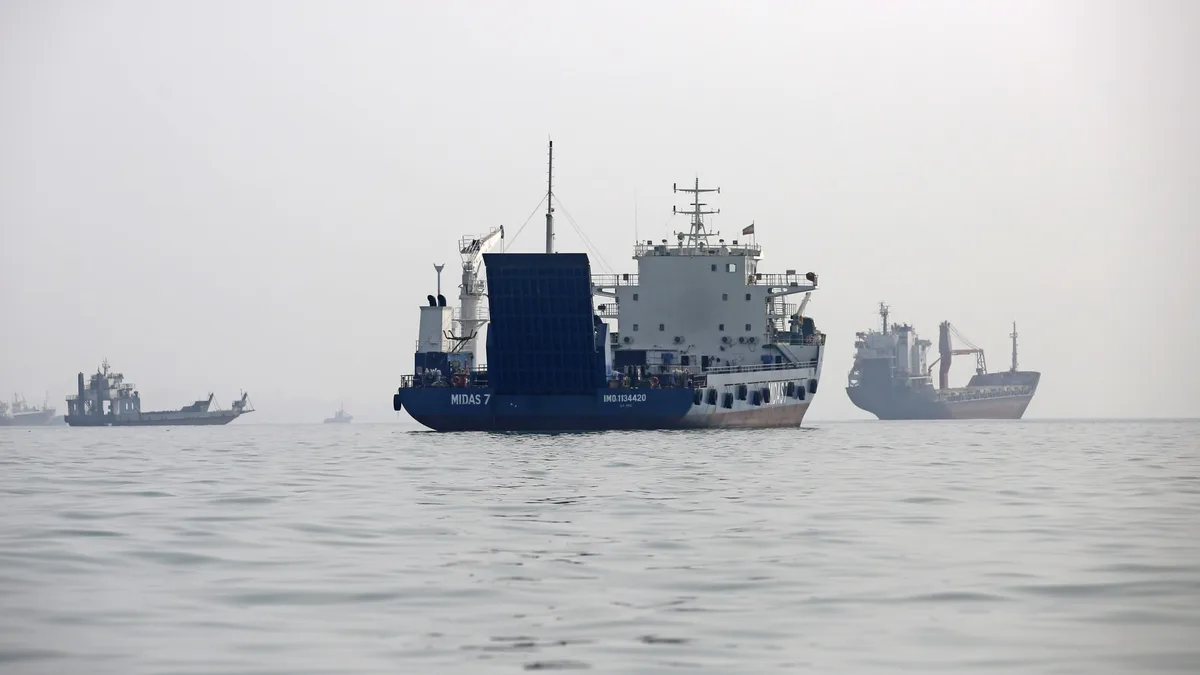
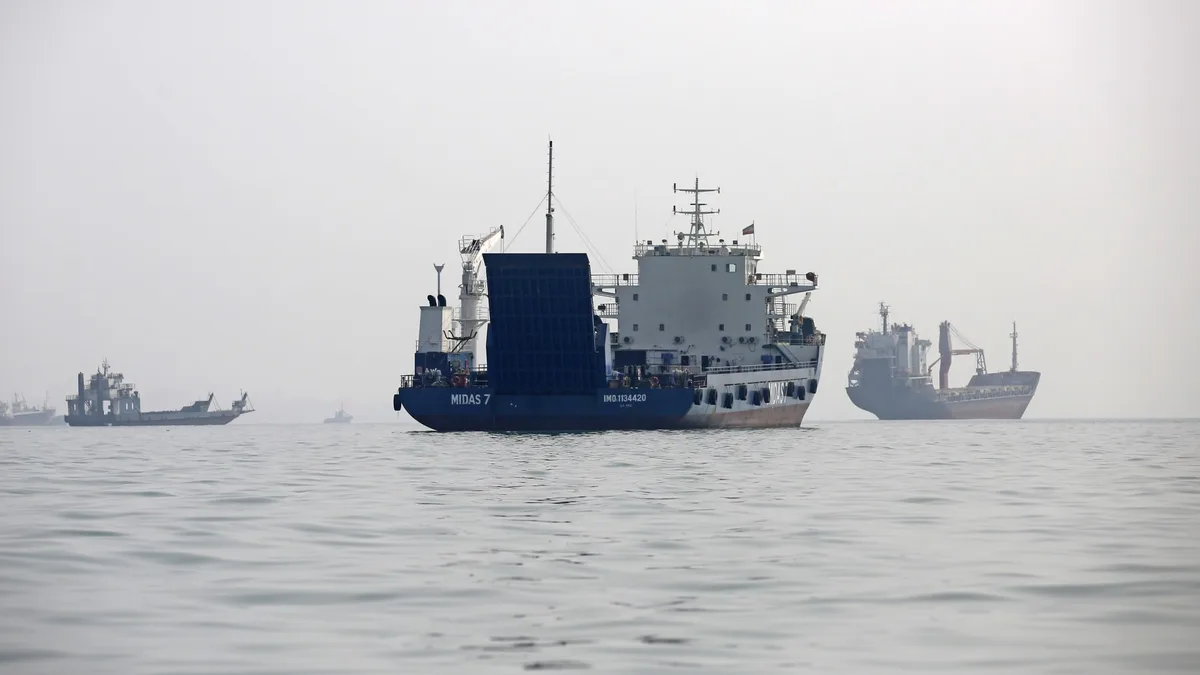
About 14.6 million barrels of oil a day were still flowing through the Strait of Hormuz in the first quarter of 2026, down from roughly 20 million barrels a day before the war began. It remains the world’s main oil artery, even in its diminished state. The alternative East-West pipeline (Petroline), which bypasses the strait through Saudi Arabian territory, has a capacity of six to eight million barrels a day, the upper limit of how much crude could be rerouted around the Strait of Hormuz if it were shut down entirely.
We reported earlier on the dispute over control of the strait, when Iran claimed to hold the Strait of Hormuz and President Donald Trump claimed the opposite. Today’s numbers are the market’s response to that standoff: while both sides dispute who controls the passage, the price of a barrel reacts to every single incident.
What Does This Mean for Serbia?
Tanjug also reported the same day that the temporary cut to fuel excise taxes has been extended to September 6, and the ban on exporting oil and oil derivatives to September 30. The two deadlines fall in seven and thirty days respectively, and mark the next point at which the government will have to decide whether to pass the higher world price of crude on to the pump or keep absorbing the difference through a lower excise tax.
For now, diesel and gasoline prices in Serbia are not tracking the jump in crude prices directly, since the lower excise tax and the export ban are acting as a buffer. If the war over the Strait of Hormuz stretches into its seventh month and the barrel stays above $90, pressure will build on excise revenue and on the import price of fuel, and September 6 and September 30 are the dates that will show whether the government extends the measure again.
Trading Economics also cited the continued presence of the US fleet monitoring the strait after the strike as a factor behind the price rise, meaning the market will stay sensitive to every new incident report from that part of the Persian Gulf in the days ahead.