European Gas Price Hits 70 Euros, Serbia's Storage Full
Europe's benchmark gas price topped 70 euros per megawatt hour on August 31 for the first time since January 2023, as EU storage sits below the seasonal average while Serbia's reserves are full.

70.85 euros per megawatt hour. That was the price the benchmark Dutch TTF contract for October gas delivery briefly touched on Monday, August 31, according to ICE exchange data cited by Euronews. It marks the first time since January 2023 that the European gas price has crossed the 70 euro mark, a sign that the continent’s energy market has tightened again ahead of the heating season.
In brief
- The October TTF contract reached 70.85 euros per MWh, the first time above 70 euros since January 2023.
- EU gas storage is below the five year average for this time of year, though the exact percentage varies by source.
- The Netherlands is targeting 80 percent storage by November 1, Germany 70 percent.
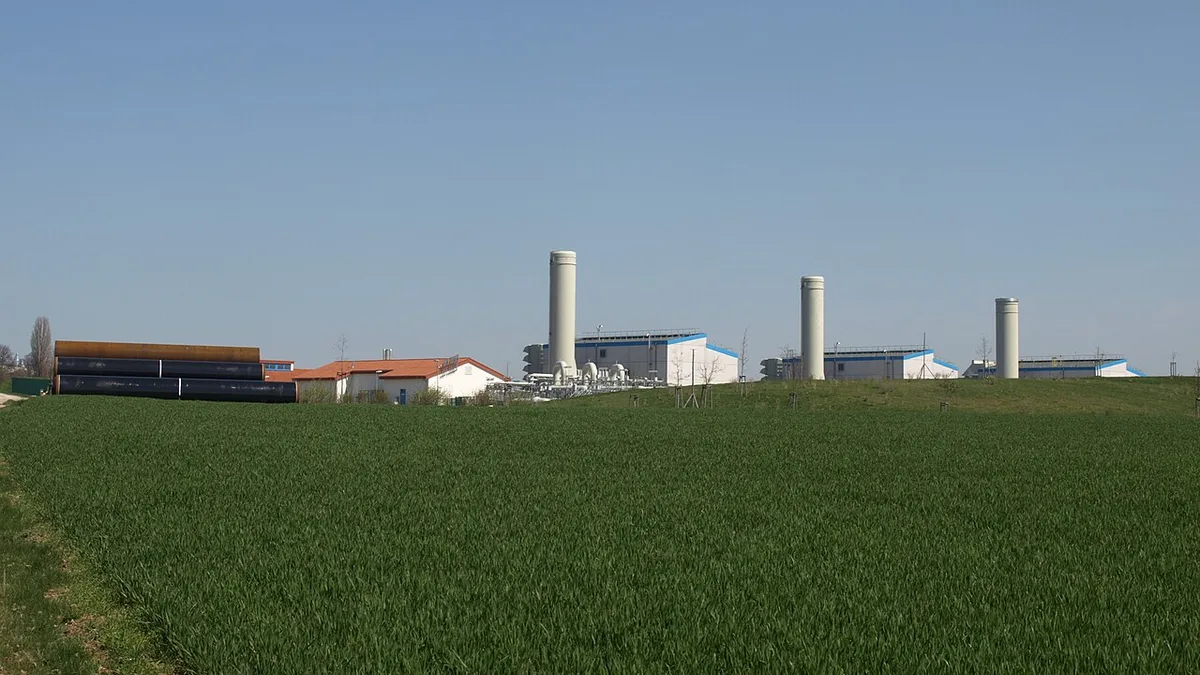
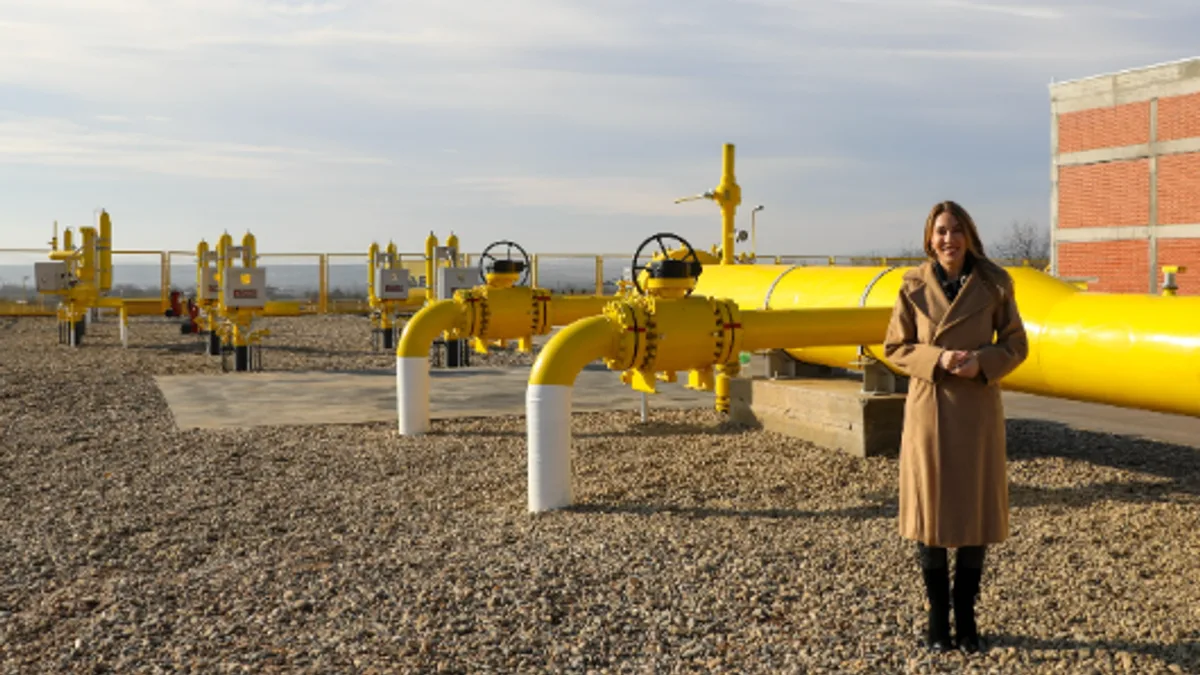
- Serbia enters winter with full storage at Banatski Dvor and leased capacity in Hungary.
Why the price is rising
The price increase coincides with a fresh escalation in the Middle East, though sources differ on the details. RTS, as carried by the Naslovi.net portal, cites US strikes on Larak Island and Iran’s response as the immediate trigger. Euronews writes that uncertainty over liquefied natural gas deliveries from the Gulf stems from the conflict around the Strait of Hormuz, through which about a fifth of the world’s LNG trade passes. Oil was five percent more expensive on September 1 than before the weekend, at $91 per barrel, while gas rose six percent, RTS reports.
Economist and broker Branislav Jorgic explains that the price rise is the result of a failed attempt to calm the situation.
“In the previous period we had signals that things could calm down in the Middle East, an agreement was reached between Oman and Iran on controlling traffic through the Strait of Hormuz, but it was not accepted by the United States,” Jorgic told RTS.
Storage below average, but sources disagree by how much
The figures diverge here. Euronews, citing Gas Infrastructure Europe data, puts EU gas storage at 64.7 percent full. Tanjug, citing The Guardian, recorded about 63 percent in late August. RTS, in a piece carried by Naslovi.net, cites around 60 percent. All three figures agree on one point: the level is well below the seasonal average, which Tanjug puts at around 80 percent, and among the lowest recorded at the end of August in more than a decade.
Analyst and professor Greg Molnar warns that, at the current injection rate, the EU could enter winter with reserves about a fifth below the five year average, the lowest level since 2013.
“Low storage levels naturally increase the risk of higher winter price volatility,” Molnar said in an analysis carried by Tanjug, adding that cold spells or weaker winds could further raise gas consumption over the winter.
The picture varies by country. Germany, which has the largest storage capacity in Europe, is about 50 percent full, Belgium 51 percent, and the Netherlands 45 percent. Italy and Poland, by contrast, are above 80 percent. The Netherlands has set itself a target of 80 percent by November 1, and Germany 70 percent by the same date, and it is precisely the narrow, in places negative, spread between summer and winter prices, which fails to cover the cost and risk of storage, that has slowed the usual filling process.
Sebastian Heinermann, head of the German gas storage association INES, warns of the consequences for industry in Europe’s largest economy.
“If insufficiently filled gas storage coincides with a very cold winter, Germany will no longer be able to fully cover its usual gas demand,” Heinermann told Euronews, adding that a price rise beyond what industrial consumers can bear would force companies to cut production.
Qatar halts deliveries to Italy
Italy is under particular pressure, even though its storage is among the fullest in Europe. Qatar’s state energy company notified its Italian buyer Edison last Thursday that it is extending, under force majeure, its suspension of LNG deliveries until early November, because of the war between the US and Iran. Edison’s long term contract with Qatar normally covers a volume equal to about ten percent of Italy’s annual gas consumption. Edison says it is securing alternative supply and can still meet its obligations to its customers.
Qatar itself accounts for just 3.7 percent of the European Union’s total gas imports in 2025, so the direct effect of the missing deliveries is not decisive. The problem is indirect: analysts warn that a prolonged halt in gas exports from the Gulf could force European buyers into sharper competition with Asian buyers for the remaining cargoes, pushing the price up further. Goldman Sachs analysts Samantha Dart and Laura Sir estimate that the December TTF contract could top 100 euros per megawatt hour if the turmoil in the Middle East does not ease before 2027.
How fast the price hike reaches bills
It is not certain the price rise will reach consumers at all, and that depends on how long it stays elevated. According to an earlier estimate by Oxford Economics, a change in the wholesale price takes about six months on average to fully feed through to consumer bills, though the timeline varies by country. In the Netherlands the effect arrives almost immediately, in France, Italy and Spain within a few months, while in Germany and Austria it takes nearly a year.
The United Kingdom is the most exposed, since it has limited domestic storage capacity and depends on pipeline imports from Europe and tanker shipments from the US and the Middle East. Centrica said the country is entering winter with storage “almost empty of gas.”
Serbia enters winter with full storage
Unlike much of Europe, Serbia is heading into winter with full gas storage at Banatski Dvor and additional leased capacity in Hungary. This outlet reported in late August that Serbia is awaiting two decisions by September 30 concerning NIS and gas supply from Russia, so the state of domestic reserves is only part of a bigger picture that will become clearer in the coming weeks. Full storage lowers the risk of a physical shortfall, but it does not shield domestic consumers from price moves on the European exchange, which, according to Goldman Sachs estimates, also shapes part of the gas price ultimately paid by businesses and households in the region.