Serbia's Industrial Output Falls 2.3% in July
Statistical Office: industrial production fell 2.3% year on year in July, as the electricity, gas and heating sector dropped 8.8%. Output for the first seven months is still up 0.3%.

Industrial production in Serbia was 2.3% lower in July than in the same month last year, according to data the Statistical Office of the Republic of Serbia (RZS) released on August 31. Measured against the average monthly output for 2025, however, July’s level was actually 0.1% higher.
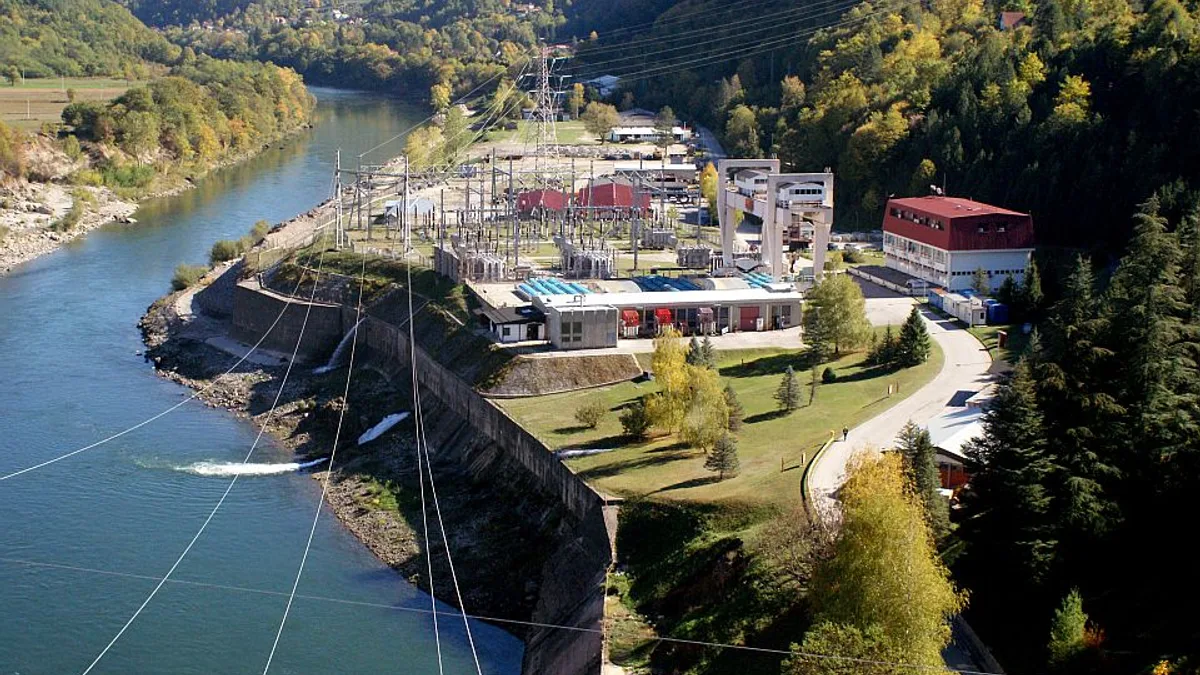
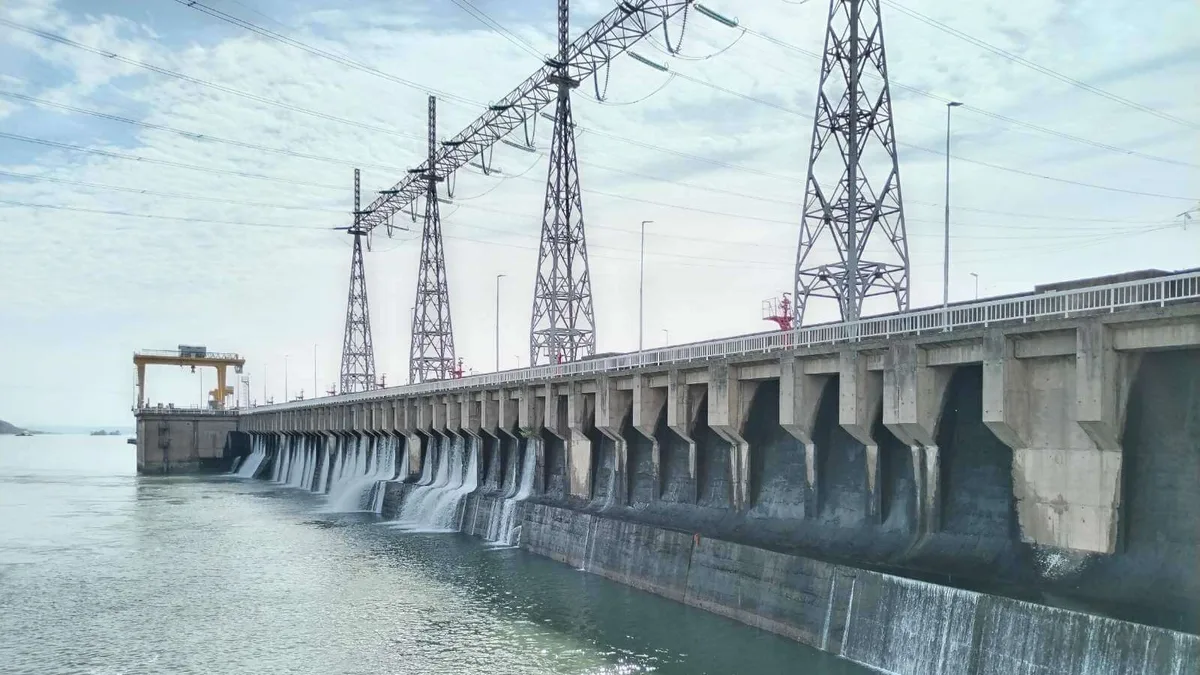
One sector accounts for most of the decline. Electricity, gas, steam and air conditioning supply fell 8.8%, the steepest drop among all industries tracked. Manufacturing was down 1.6%, while mining moved against the broader trend, growing 3%.
What Fell the Most
Broken down by end use, the picture looks similar. Production of durable consumer goods dropped 7.9%, energy output fell 7.5%, and non-durable consumer goods slipped 5.1%. Capital goods, by contrast, grew 8.8%, and intermediate goods excluding energy rose 0.3%. RZS attributes that split, consumption and energy falling while investment goods rise, to the makeup of the 29 industry groups it tracks: 18 of them, accounting for 60% of total output, posted a decline, while the remaining 11, representing 40%, grew.
The month on month picture is milder than the year on year one. Seasonally adjusted figures show total industrial production rose 0.6% in July compared with June, even though manufacturing alone fell 1.9% over the same period.
Seven Months In, and the GDP Revision Before It
The cumulative picture for industry is still positive: output for the first seven months of 2026 is 0.3% higher than in the same period of 2025. That figure comes from RZS a week after the same office revised second quarter GDP growth up to 3.8%. That earlier revision pointed to an economy accelerating overall, but July’s industrial production index moved the opposite way in precisely the sector, energy, that dragged the monthly figure down the most.
RZS publishes the industrial production index every month, so the next release, covering August, will show whether July’s drop was a one month blip or the start of a longer slide in the energy sector.