Serbia's industrial output up 0.8%, power supply down 10.4%
The Statistical Office of the Republic of Serbia released June figures: manufacturing gained 2.8%, while electricity and gas supply fell for a third straight month.

Serbian industrial output was 0.8% higher in June 2026 than a year earlier, according to indices published on July 31 by the Statistical Office of the Republic of Serbia, known as RZS. Measured against the 2025 average, output is up 2.3%, and the first half of 2026 sits 0.7% above the same period last year.
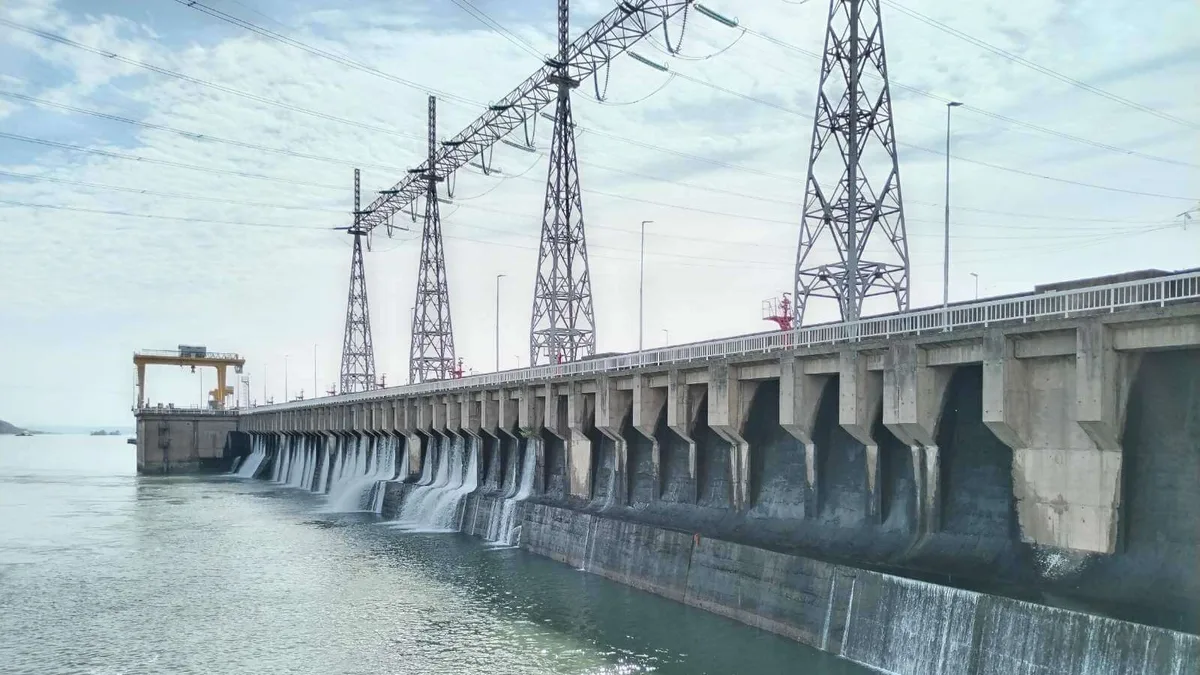
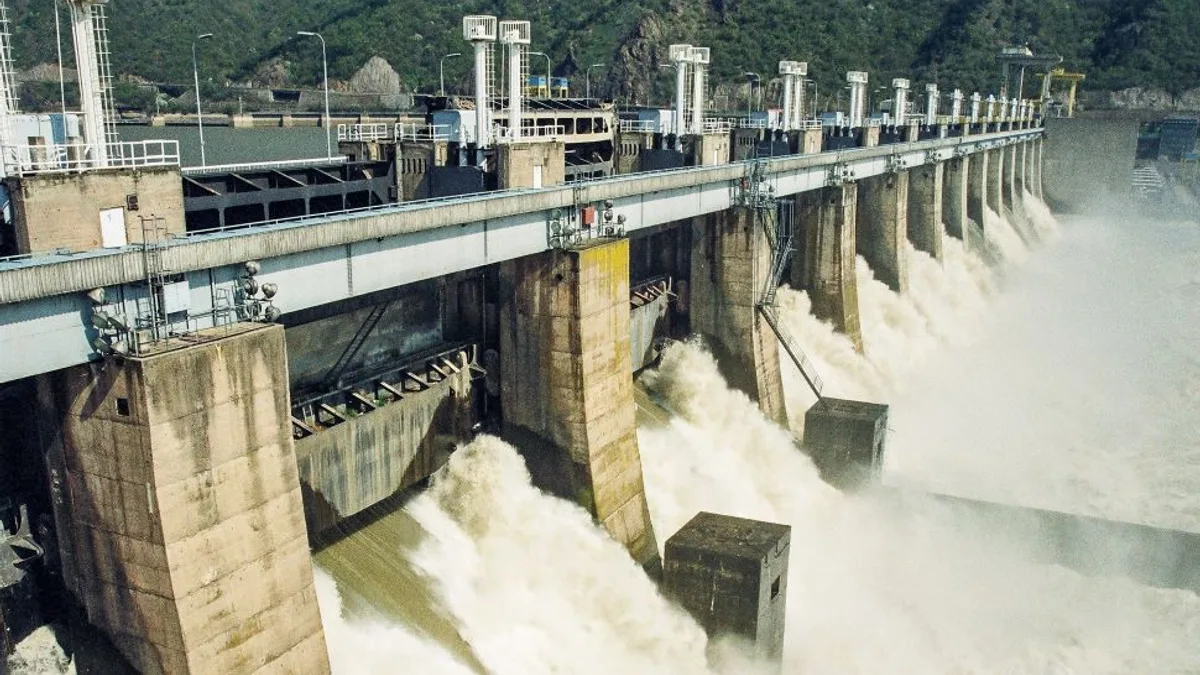
The gain does not come from across the system. Electricity, gas, steam and air conditioning supply fell 10.4%, while manufacturing rose 2.8% and mining slipped 1%. Manufacturing is carrying the entire result and absorbing the shortfall in energy supply.
How long has electricity and gas supply been falling
Three months, each one deeper than the last. The sector was down 7.7% in April, 8.6% in May and 10.4% in June. This is not one weak month but a widening run, and it sits in a sector that feeds into the cost base of every plant downstream of it.
Energy as an end-use category also declined, by 3.2%. Non-durable consumer goods fell 3.9%, and durable consumer goods posted the steepest drop in the whole structure at 11.5%.
What pulled industry higher
The growth came from capital spending and the industrial supply chain rather than from household demand. Capital goods output rose 10.2% and intermediate goods excluding energy 4.7%. The largest contributions to overall growth came from:
- motor vehicles and trailers
- electrical equipment
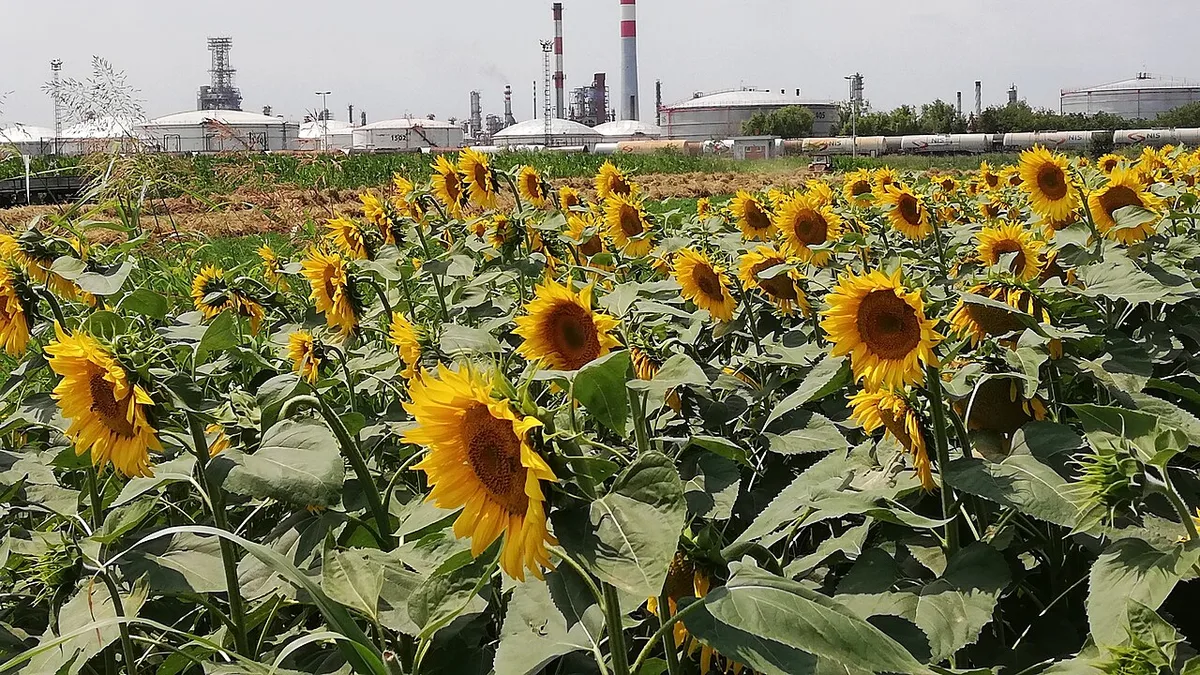
- coke and refined petroleum products
- machinery and equipment
- chemicals and chemical products
Sixteen divisions accounting for 58% of the structure of industrial production grew, while 13 divisions with a 42% share declined. The split is close to even, which explains why the headline index barely moved.
The monthly comparison tells a different story
The seasonally adjusted index, which compares June with May, is negative. Total industry fell 0.4% and manufacturing 1.3%. The annual reading is positive and the monthly reading is negative, and the sector delivering the annual gain is the same one losing ground month on month.
RZS also publishes a version that includes an estimate for firms with fewer than 50 employees. On that basis, total industrial output is 2.1% above the 2025 average and manufacturing 7.4% above it, well ahead of the core calculation. The gap shows how much small plants contribute and how slowly they enter routine monthly statistics.
July data are due on the last working day of August, under the schedule that applies through 2026. If the energy run continues, a fourth consecutive double-digit or near double-digit decline will be hard to attribute to last year’s base.