ECB Raises Rate, 100,000 Euro Mortgage Payment Up 50 Euros
The European Central Bank raised its benchmark rate to 2.50 percent, pushing payments on a 100,000 euro mortgage in Serbia up by about 50 euros a month. Serbia's own rate has not moved in two years.

The European Central Bank (ECB) raised its benchmark interest rate by 0.25 percentage points, to 2.50%. It is the second increase this year, decided at a meeting held in Berlin rather than at the bank’s Frankfurt headquarters. The ECB’s deposit rate, which had held at 2% for a year, climbed past 2.25% to its current 2.5%.
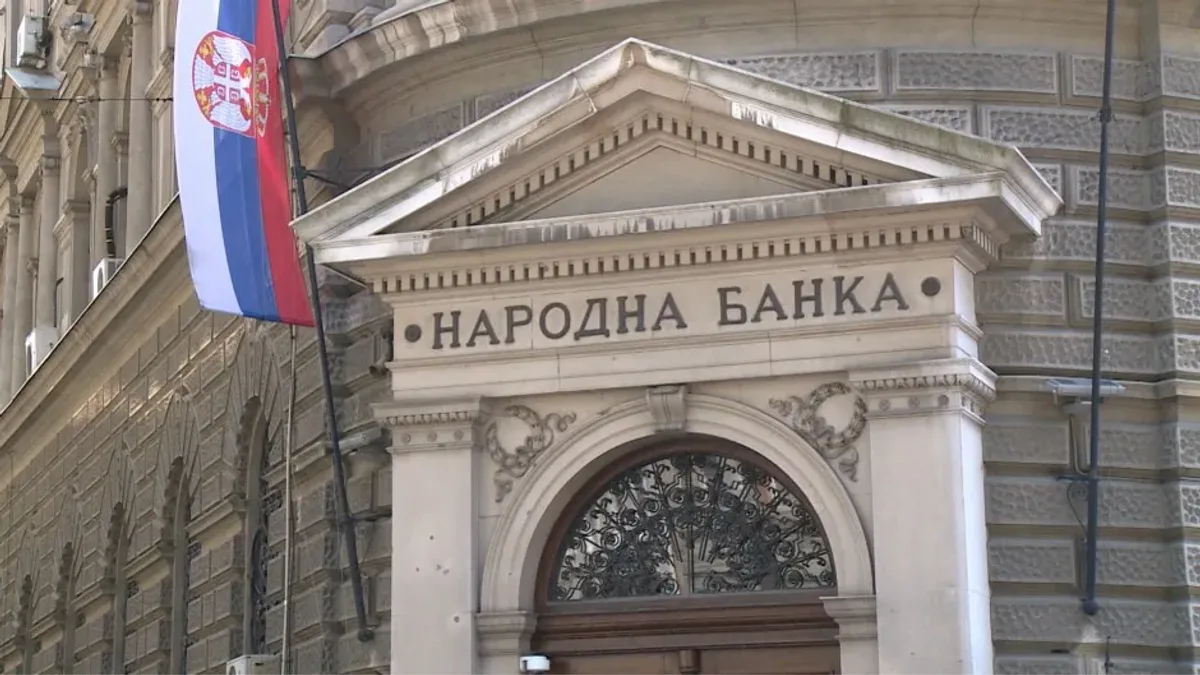
For people in Serbia, this is not some abstract European decision. A few days ago we reported that the National Bank of Serbia (NBS) had kept its own benchmark rate at 5.75%, leaving loan payments unchanged. Now the hit is coming from the other direction: mortgage payments in Serbia don’t track the NBS rate so much as Euribor, the benchmark most loan contracts are tied to.
Why the payment is rising even though the NBS hasn’t changed anything
“The European Central Bank’s decisions affect citizens here more than decisions made by our own central bank,” Nenad Gujanicic, chief broker at Momentum Securities, told Nova ekonomija. The reason lies in the structure of Serbia’s loan portfolio: mortgages here are mostly euro indexed and carry a variable rate made up of a bank margin plus Euribor.
Six month Euribor climbed from around 2.1% in February to 2.88%, a jump of 70 basis points following the ECB’s latest hike. “The market believes there’s a strong likelihood the ECB will raise rates once more by the usual 25 basis points before the end of the year,” Gujanicic says. Banks typically reset Euribor against loan contracts twice a year, every six months, so borrowers with variable rate loans are either already feeling the increase or will feel it at their next reset.
How much more exactly a 100,000 euro loan will cost
Vladimir Vasic, a banker and consultant, worked out the effect on a concrete example for Nova ekonomija:
“For a typical 100,000 euro mortgage, this rate increase could push the monthly payment up by about 50 euros.”
Vasic adds that the increase is real, but rates still haven’t reached the levels seen in 2022. Serbia currently has between 9 and 10 billion euros in euro indexed loans outstanding, most of it mortgages. Purely dinar denominated mortgages are negligible, just 1 to 2 percent of the total, so it still pays off for borrowers to take loans in euros rather than dinars, since euro loans remain cheaper.
The NBS benchmark rate stands at 5.75% and hasn’t been changed since September 12, 2024, a full two years now. Vasic explains that reclaiming monetary sovereignty over lending would require the dinar to become a long term source of financing, which takes time and stability, so that enough dinar funds are available for lending.
The bigger picture: inflation, oil and the ECB’s next move
Inflation in the eurozone stood at 3.3% in August, above the ECB’s 2% target. The bank said in its statement that the conflict in the Middle East continues to generate inflationary pressure:
“Inflation is expected to remain well above target for an extended period.”
Sources differ on how to attribute this statement: N1 info ties it explicitly to the bank’s official statement, while Nova ekonomija folds it into a passage that ends by crediting the remark to ECB President Christine Lagarde. The more reliable reading is that the statement came from the ECB’s official communication, not from Lagarde in a direct quote, unless a third source confirms otherwise.
Crude oil has climbed back above $100 a barrel, and US inflation stands at 3.7%, keeping pressure on the Federal Reserve as well, whose officials meet on September 15 and 16. Gujanicic also notes that strategic oil reserves held by both governments and companies have been drawn down, which is adding further to inflationary pressure. Germany, the European Union’s largest economy and one of Serbia’s dominant foreign trade partners, grew just 0.2% last year, and expensive money only deepens problems like that.
For now, the market is pricing in one more ECB rate hike before the end of the year. For Serbian borrowers with variable rate loans, that would mean yet another upward Euribor reset before the current tightening cycle comes to a stop.