Saudi Oil Output Hits 6.24 Million Barrels
The kingdom reported daily output of 6.24 million barrels to OPEC's secretariat in August, the lowest since 1990, as the U.S.-Iran war disrupts Red Sea and Strait of Hormuz exports.

Saudi Arabia has told OPEC’s secretariat that it pumped 6.24 million barrels of oil a day in August. According to the official report published on Friday, September 11, that is the lowest output the kingdom has reported since 1990, the year the Gulf War began.
The drop is steep. In July, Saudi Arabia was producing 8.1 million barrels a day, so the August figure is down by roughly 1.9 million barrels a day. The trend over the last three months has not moved in a straight line: output stood at 7.1 million barrels a day in June, jumped sharply in July, and then that entire gain was wiped out in August. The decline came even though the kingdom and the rest of the OPEC+ group had signaled they would raise, not cut, output through the month.
Why output is falling now
The trigger is the war between the United States and Iran, which has scrambled energy flows across the Middle East, not just inside the conflict zone itself. A drone strike and the shutdown of the east-west pipeline, part of the same disruption, are covered separately by the outlet on the same day. This article deals with the fallout that war is having on Saudi production, quotas and the market.
Before the war, the kingdom was producing more than 10 million barrels of oil a day. Measured against the August number, that gap shows the scale of the disruption: output has been nearly cut in half compared with pre-war levels.
A striking detail in the OPEC report is that Saudi Arabia delivered 7.1 million barrels a day to the market in August, considerably more than it actually produced that month. The gap between deliveries and production points to the kingdom drawing down its own stockpiles, tapping reserves to keep contracted shipments flowing to buyers while production lags behind.
Bottlenecks in the Red Sea and the Strait of Hormuz
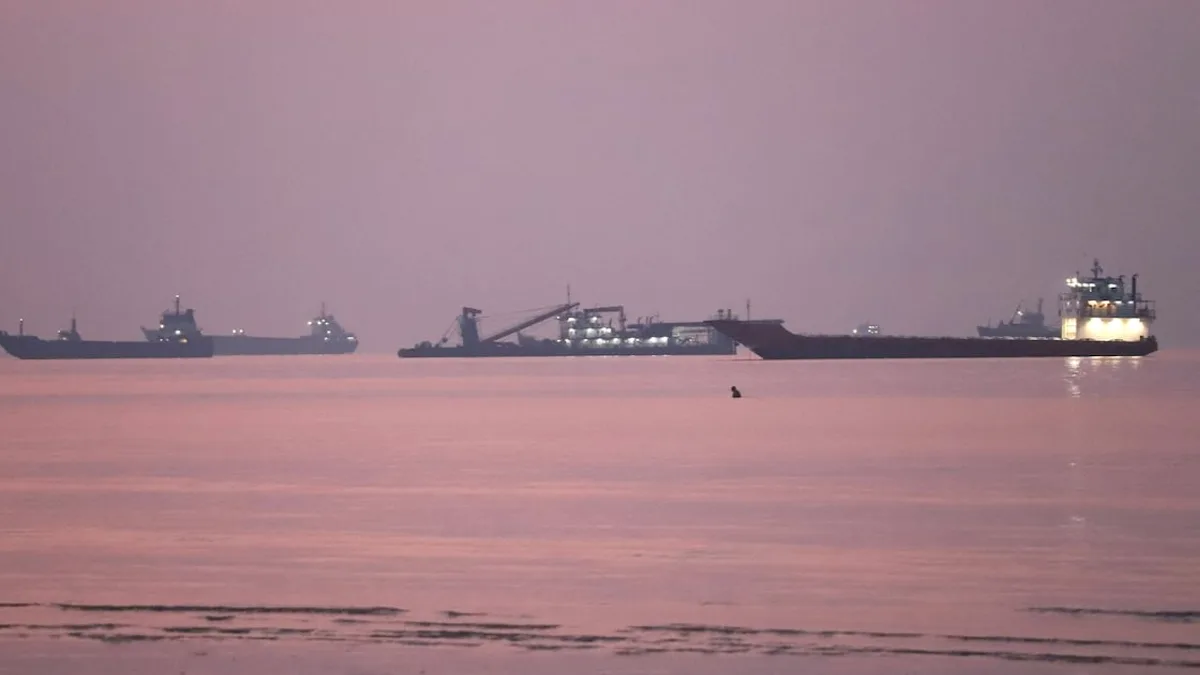
Part of the problem is logistical. The port of Yanbu on the Red Sea, which Saudi Arabia uses as a western export alternative to the Persian Gulf, recorded its lowest oil loadings in six months during August. Vortexa puts August loadings at Yanbu at 3.2 million barrels a day, while the analytics firm Kpler cites a much lower figure, just 1.5 million barrels a day. The gap between the two estimates says a lot on its own about how hard it has become to track real oil flows now that ships are switching off their transponders.
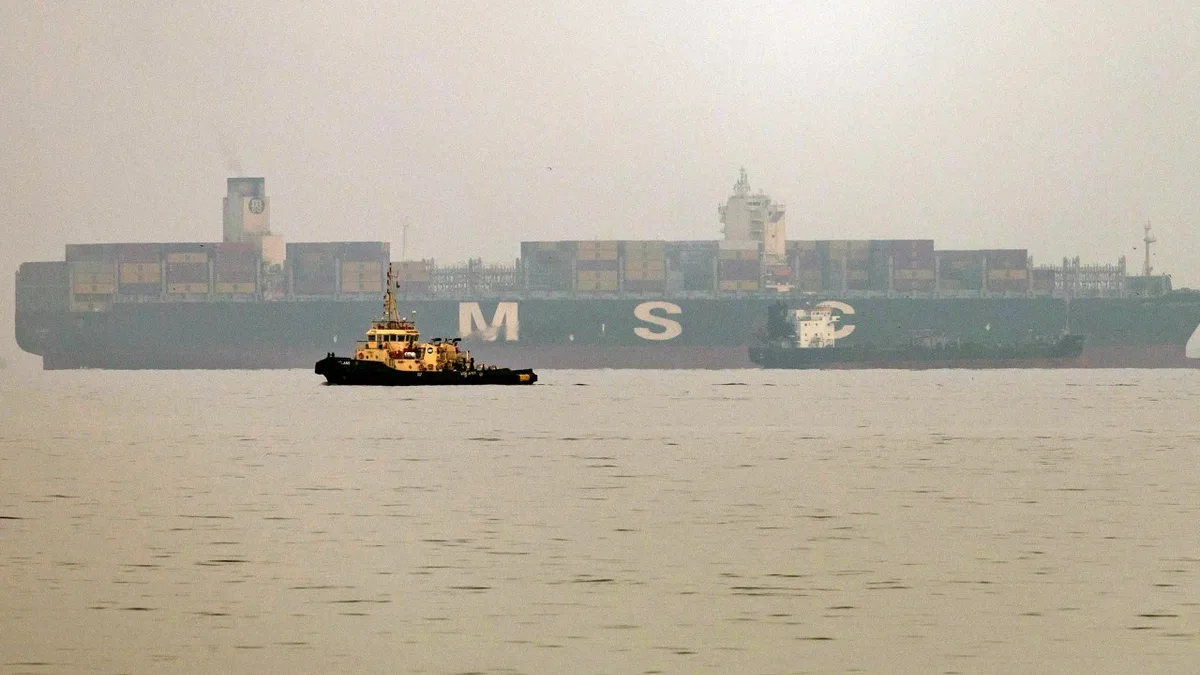
Tanker transits through the Strait of Hormuz, the main outlet for Gulf oil to world markets, have also fallen. On one day, only seven tankers passed through the strait, compared with a ten-day average of 14.
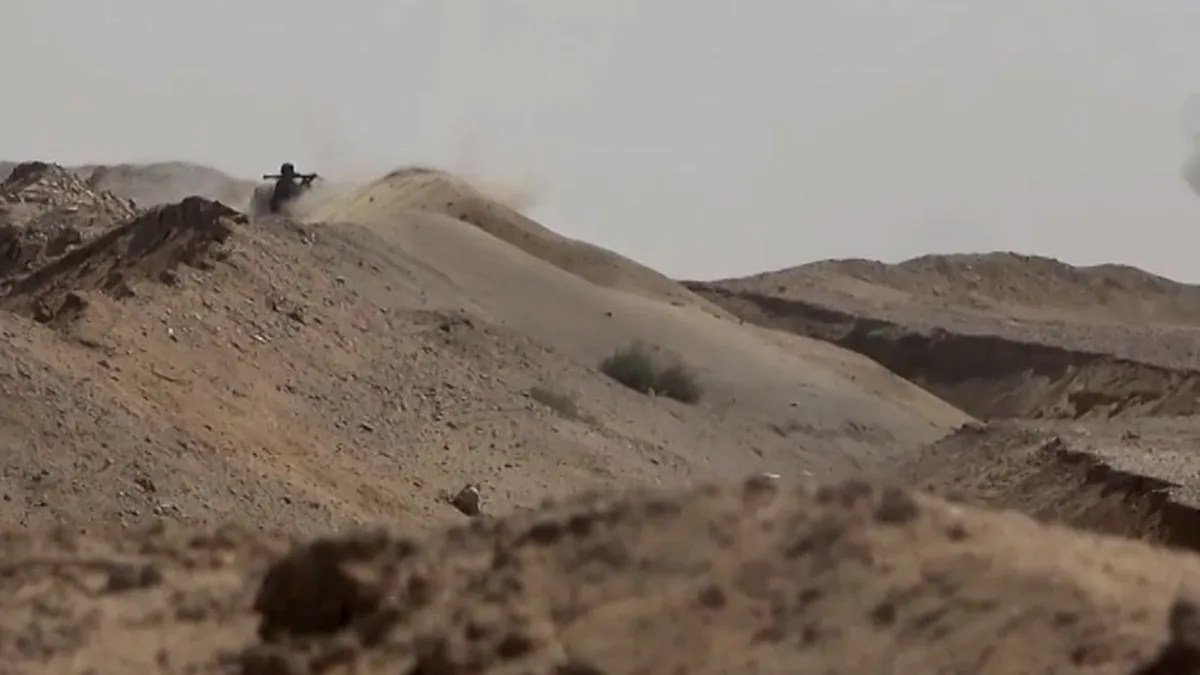
The drop in Red Sea traffic traces back to the naval blockade the Houthis, the Yemeni movement, declared on July 20, describing it as a new front in the conflict between Iran and the United States. The Houthis claimed responsibility at the time for attacks on Saudi vessels, on the export terminal at Yanbu, and on the refinery at Jizan. Because of the threat of attack, tankers sailing through those waters are switching off their automatic identification systems, known as AIS, to reduce their exposure, which makes measuring real export volumes even harder.
Who feels the impact
The consequences are already visible on the global oil market. Brent crude climbed past $100 a barrel during the week and briefly rose above $107. The outlet previously covered that price spike in an earlier report on Brent hitting $106 a barrel and gasoline prices in Amsterdam climbing to 82.59 euros.
For Saudi Arabia, the largest producer in the OPEC+ group, lower output also means lower export revenue at a time when prices are higher than they were earlier in the year, while buyers of Saudi crude, mainly Asian refineries, are having to look for replacement supplies or draw on their own reserves. The next official figure on Saudi production will come with OPEC secretariat’s next monthly report, and until then it remains an open question whether the kingdom will stabilize its Red Sea exports or keep drawing down reserves to honor the contracts it has already signed.