Brent hits $115 as Houthis claim Saudi refinery strike
Brent is back above $115 after Tuesday's drop and WTI is above $101. Riyadh confirms only the interception of a missile aimed at Taif, while UBS sees $110 by year end.
Brent, the benchmark price of crude oil, stands at about $115.5 a barrel on Wednesday morning, October 28, and US benchmark WTI is back above $101. The rise follows a drop of around $2 on Tuesday and is tied to two pieces of news: a Houthi claim of a missile strike on Saudi Arabia, and fear that US attacks on Iran will resume.
What is the price of oil on Wednesday?
Sources record slightly different levels because they measure at different moments:
- around 9:20, Brent rose $1.56 (1.37%) to $115.49, and WTI rose $1.50 (1.51%) to $101.41 (5paisa)
- in Asian trading, Brent was at $115.59 and WTI at $101.37 (FinanceFeeds, citing CNBC data)
- at 2 p.m. United Arab Emirates time, Brent was at $114.87 (up 0.87%) and WTI at $101.49 (up 1.59%), after gains of more than 2% earlier in the day (The National)
That means the price has won back most of Tuesday’s drop. On Tuesday, October 27, Brent lost $2.09 by early afternoon New York time and fell to $113.72, on hopes that talks following a meeting in Tehran could open the way to ending the war. Two sessions earlier, Brent was above $117. The sources give the size of Tuesday’s drop differently: The National reports about 1.6%, FinanceFeeds 1.8%.
Oil remains below the $126 a barrel it reached earlier in the conflict, which has now entered its eighth month.
What did Saudi Arabia actually confirm?
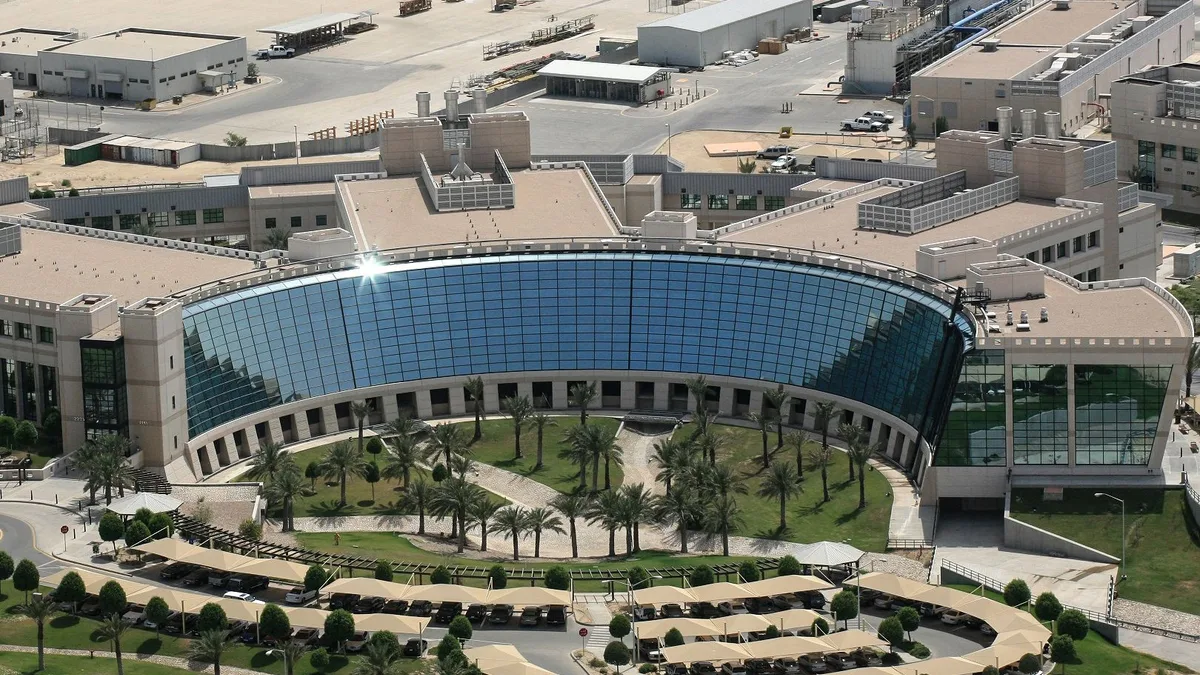
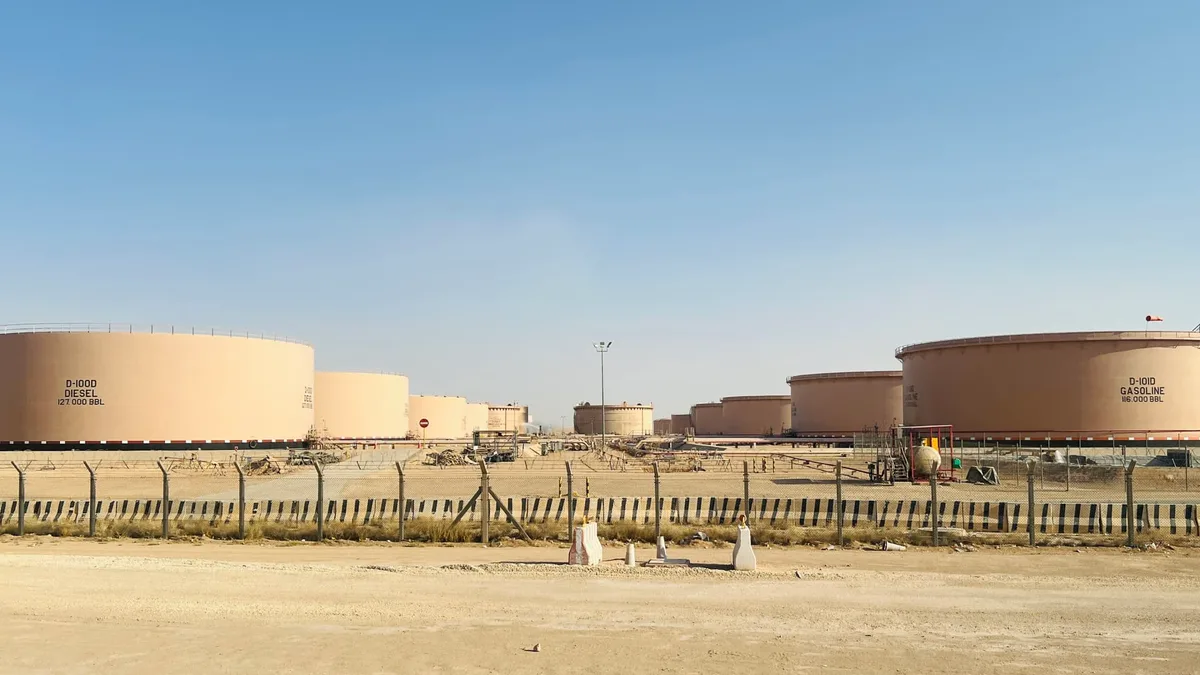
The sources diverge on the trigger itself. FinanceFeeds reports that Yemen’s Houthis claimed to have hit the Ras Tanura refinery, the largest in the kingdom, with a ballistic missile. The portal 5paisa cites a claim of a strike on the largest Saudi refinery, with a capacity of 550,000 barrels a day, but does not name it.
The National recorded a different sequence of events. The Saudi-led coalition said it intercepted and destroyed a Houthi ballistic missile launched toward Taif on Wednesday morning. Earlier, the Houthis claimed to have attacked Abha international airport with a drone, which the Saudi side had not confirmed at the time of publication.
Riyadh, then, confirms the interception of the missile aimed at Taif, but has not confirmed the claim about Abha airport or the strike on the refinery. Until damage is confirmed, FinanceFeeds therefore judges this to be a headline premium rather than an actual loss of supply, and notes that the coalition has so far reported interceptions, not hits.
Why does fear of a strike on Iran keep prices high?
The second driver is the possibility that the United States will continue its military campaign against Iran. President Donald Trump said on Sunday that he has to make a decision on Iran, because negotiations have not yet produced an agreement. The Wall Street Journal reports that Washington has warned several Gulf states to prepare for a possible resumption of the campaign after the congressional elections on November 3.
Iranian Foreign Minister Abbas Araghchi warned that any escalation launched by Israel in the Gulf could have a devastating effect on world markets. Qatari mediators have handed Iran a new draft agreement to end the war, and Tehran’s answer is expected by the end of the week, an official told Reuters.
Analysts cited by The Globe and Mail, as relayed by FinanceFeeds, see a premium that is here to stay. Bjarne Schieldrop of the bank SEB pointed to a significant risk premium tied to a possible US or Israeli attack on Iran, while Commerzbank warned that Benjamin Netanyahu, if he returns to power, could pursue regime change in Iran. Markets are also watching the Israeli election, in which Netanyahu’s bloc is ahead according to the first results.
Why is UBS raising its forecast?
Swiss bank UBS has raised its forecast and now expects Brent near $110 by the end of the year, up from the earlier $100. The bank’s strategist Giovanni Staunovo told The National that inventories have fallen sharply because the promised releases from strategic reserves are largely finished, and added:
Flows from the Middle East, although improving, have not yet fully normalized.
Staunovo believes an undersupplied market could push commercial inventories lower, which would sustain prices. He names record shipping costs, limited tanker capacity and a recovery in Chinese imports as additional factors. He hedges the forecast with the words: uncertainty remains high because of the unpredictable nature of the conflict in the Middle East and the pace of the recovery in Gulf production and global demand.
What else is the market watching?
The core of OPEC+ consists of Saudi Arabia, Russia, Iraq, Kuwait, Algeria, Kazakhstan and Oman. According to three Reuters sources, the group will leave its December production quotas unchanged at its meeting on Sunday. Reuters adds that output in most of those countries is already below the set quotas.
A Reuters poll of eight analysts shows that US crude inventories rose by about 15,000 barrels in the week to October 23.