

Serbia's New Tourist Tax: 90 to 240 Dinars Per Night
The Government adopted a decree on September 17 setting tourist tax ranges by destination category, with the final amount on a guest's bill set by the local self-government.
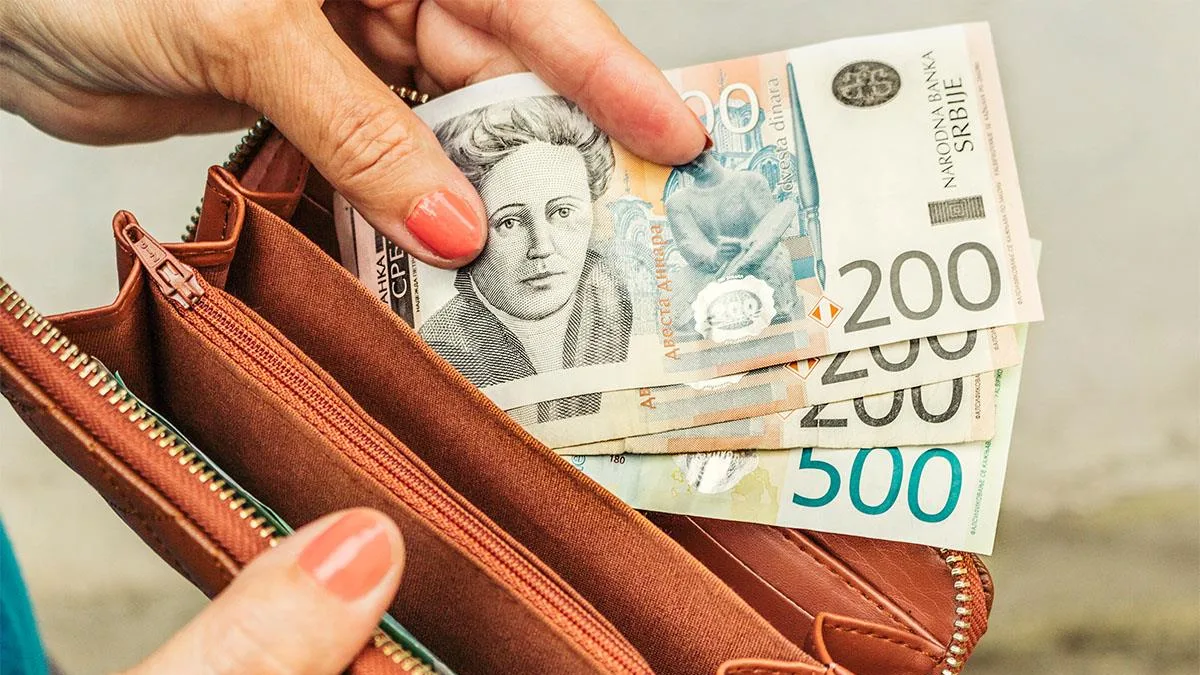
Serbia’s Government adopted a decree on the minimum and maximum tourist tax on September 17, 2026, setting the per night charge at between 90 and 240 dinars, depending on the category of the tourist destination where the guest is staying.
The decree splits tourist destinations into four categories. The first category carries a range of 190 to 240 dinars, the second from 150 to 200 dinars, the third from 110 to 170 dinars, and the fourth, the lowest, from 90 to 140 dinars. The amounts apply per guest, per night, and are charged along with the accommodation bill.
The exact figure within each range is not set by the Government but by the local self-government where the tourist destination is located. According to the announcement, the decree only lays out the legal framework, with minimum and maximum limits within which a municipality or city picks its own figure. In practice, that means two guests staying overnight in destinations of the same category, but in different municipalities, could end up with different tax amounts on their bill.
None of the sources give a date from which the new ranges take effect, nor state what the tourist tax was before this decree, so it cannot be said whether the change raises the tax or simply keeps the existing level for any given category.
B92 reports that the decree was adopted by a Government currently operating in a caretaker mandate, while N1 and Kurir do not mention that detail.
The tourist tax is one of the revenue streams that flows into local budgets, and by law it funds tourism infrastructure: upkeep of public areas, signage, promotion of the destination and similar projects. For hospitality businesses and private accommodation owners, the obligation stays the same. They collect the tax along with the price of the stay and pass it on, while the amount their guests now pay, within the limits the Government has set, is chosen by local authorities.


