Brent Ends Week at $103.21, European Gas Tops €80 per MWh
The week ended with Brent down 1.2 percent and Europe's first weekly gas price drop in six weeks, while storage remains at 68 percent despite the supply disruption from Saudi Arabia.

Brent closed the week on Friday, September 18, at $103.21 a barrel, 1.2 percent lower than seven days earlier, according to Trading Economics data. Tanjug reported higher intraday figures that same Friday evening: Brent as high as $104 a barrel and US crude WTI around $100. The difference comes from the timing of the measurement, an intraday range versus the weekly close, not from conflicting sources reporting the same figure.
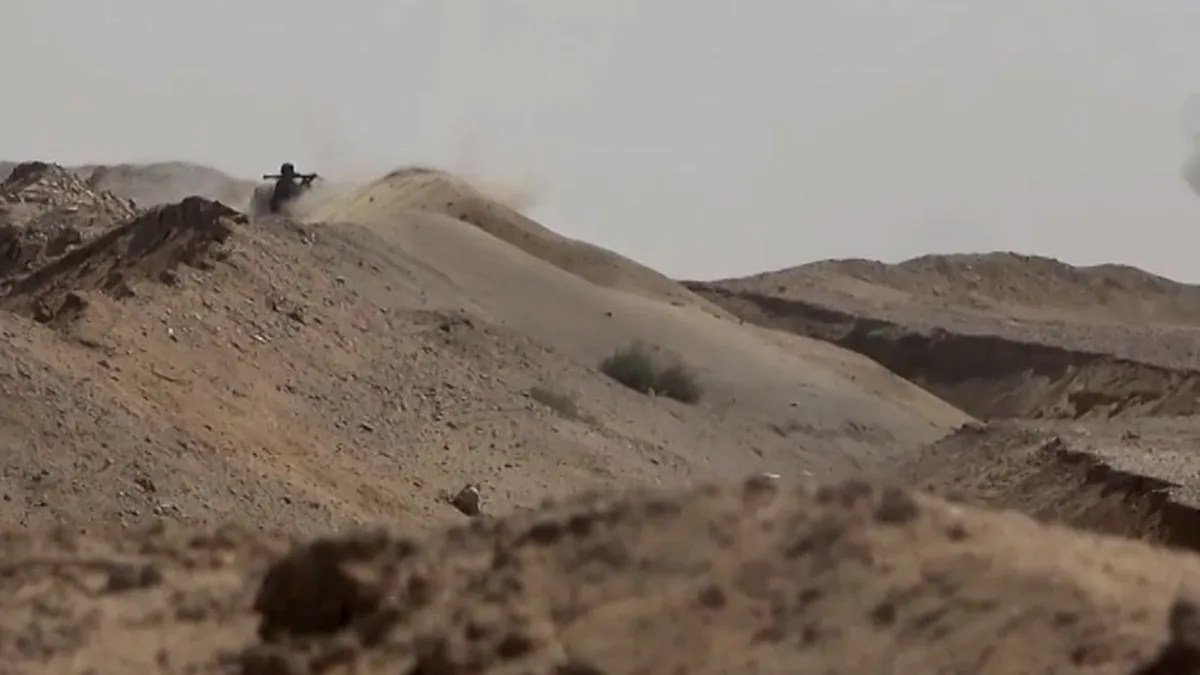
Oil markets are still weighing the fallout from the attack on Saudi Arabia’s East West pipeline. Satellite images and industry sources show three pumping stations along the route were damaged, one more than the initial estimate found. Aramco expects to restore about half of the pipeline’s daily flow soon, though how long full repairs will take remains unclear.
Saudi Arabia has meanwhile kept exporting through other routes. Satellite imagery shows the country shipped 2.8 million barrels a day through the Strait of Hormuz over the past six days, and sold 60 million barrels through a ship to ship transfer from one of its key ports. That volume shows the disruption at a single pipeline has not halted exports, even as prices have climbed.
Why Did Gas Prices Fall for the First Time in Six Weeks?
European gas on the Dutch TTF exchange rose to €79.09 per megawatt hour on Friday, after three straight days of declines. Despite that Friday jump, the week still closed more than 2 percent lower, the first weekly drop after six straight weeks of gains.
Earlier in the week, the gas price broke through €80 per megawatt hour, the highest level since January 2023, when Europe was in the middle of the gas crisis triggered by Russia’s invasion of Ukraine. That corrects an earlier assessment that placed the milestone at December 2022 prices; a fact check confirmed the original source explicitly cites January 2023.
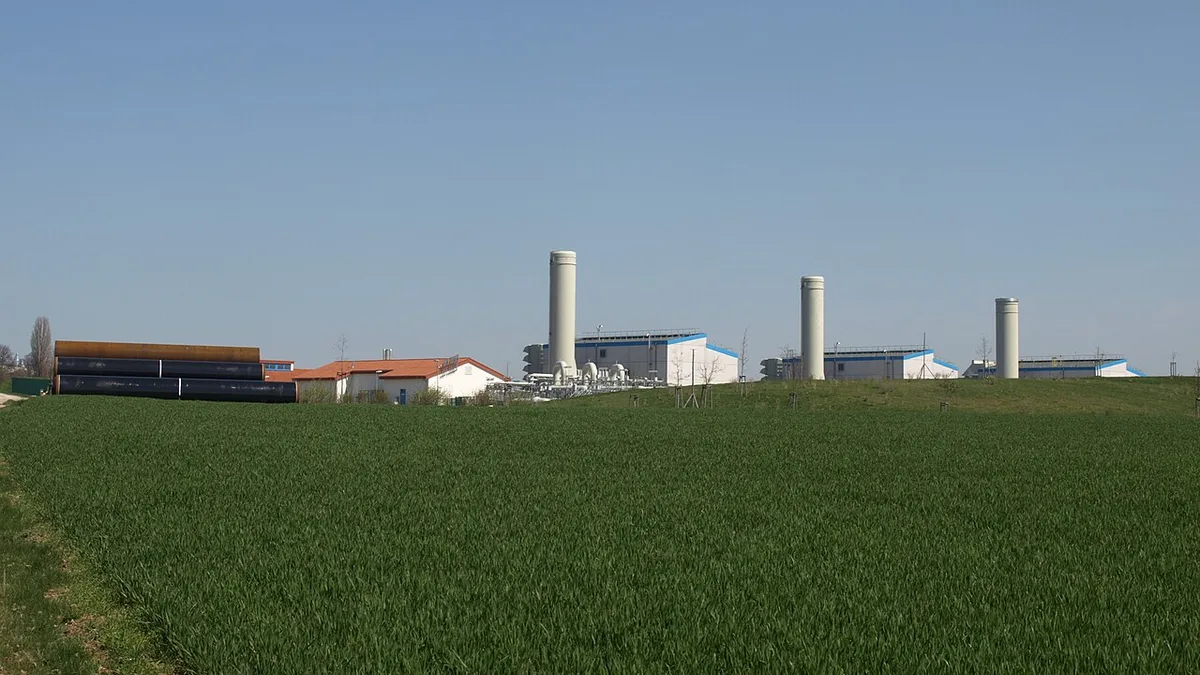
European Union gas storage currently stands at about 68 percent full, against a five year average of 84 percent for this time of year. Gas Infrastructure Europe estimates storage will reach only 69 percent of capacity by the end of October.
Storage is weakest in Germany, at 55.8 percent, and the Netherlands, at 52.5 percent, Bloomberg Adria reports. The Dutch government recently lowered its own storage target by 10 percentage points ahead of the winter season, citing pressure from high wholesale prices driven by the conflict in the Middle East.
Macron Announces G7 Meeting
French President Emmanuel Macron announced in Paris on September 18 that France will host a Group of Seven meeting on energy in the coming weeks, as fuel prices rise amid the war between the United States and Iran.
In the coming weeks, we will hold a G7 meeting dedicated to energy issues, in order to strengthen cooperation and avoid unnecessary tensions between the G7 countries and our main partners.
Macron made the statement in Paris, Tanjug reports. He added that the meeting would also be an opportunity to consider the possible use of strategic energy reserves, a measure some G7 member states have already floated as an option for calming markets.
Srpske Novine previously reported on Brent’s fall to $103 and on Aramco’s plan to restore the pipeline within days, coverage that followed the first damage estimate on the East West pipeline. The new assessment, three damaged pumping stations instead of two, shows the repair job is larger than first thought, even as Aramco continues to speak of a swift return to operation.
For European markets, the key question remains the same as it was a week ago: whether December and January temperatures stay mild. Data cited by Bloomberg Adria show that even under normal winter conditions, Europe’s gas reserves could fall to 16 percent of capacity by the end of March. Germany’s association of gas and hydrogen storage operators, INES, warned last week that an exceptionally cold winter could bring gas shortages in Germany as early as January, even though it is technically possible to reach about 77 percent fullness by November 1.